
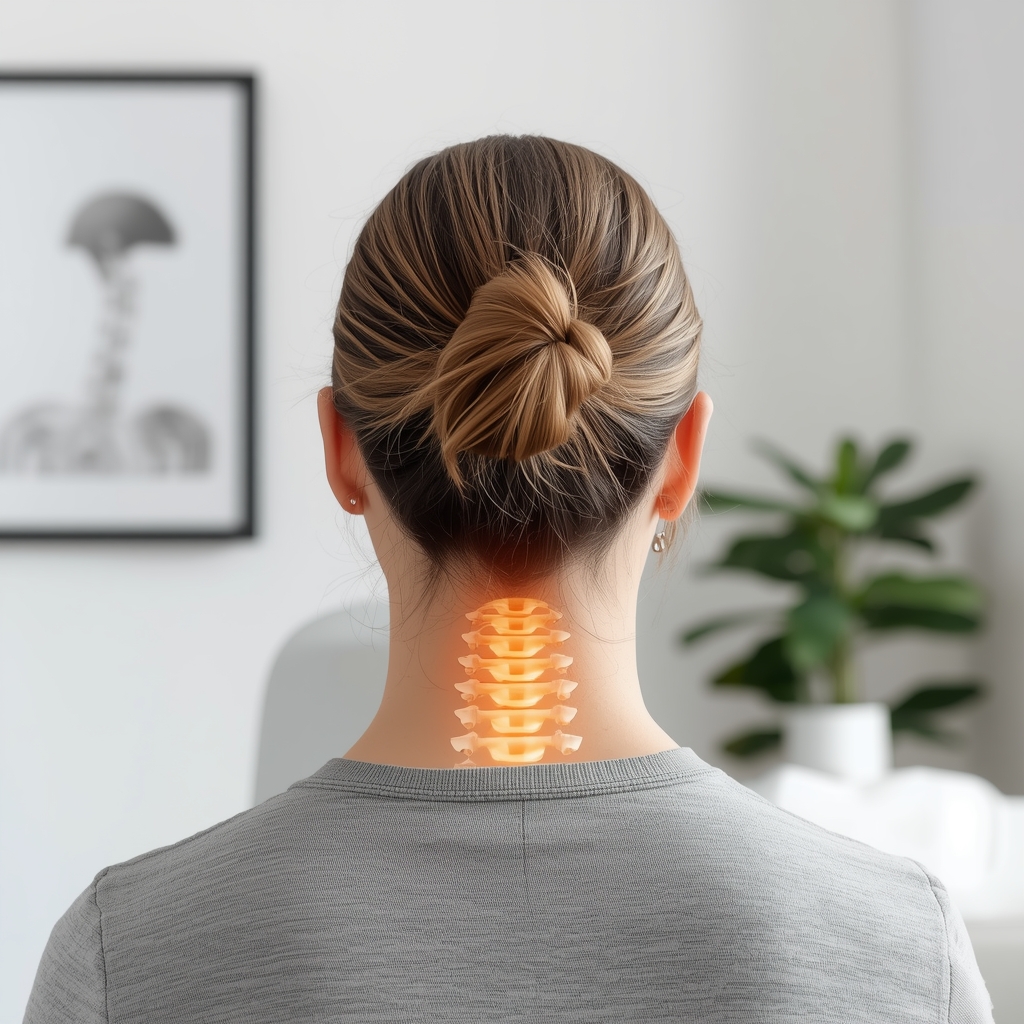
Understanding the Cervical Spine's Role in TMJ Disorders
The cervical spine, or neck region, plays a critical role in overall musculoskeletal health. Misalignments, often termed subluxations, can disrupt nerve function and muscle balance, potentially contributing to chronic temporomandibular joint (TMJ) disorders. The cervical spine's proximity to the head and jaw means that structural imbalances here may affect the temporomandibular joint, leading to pain, limited movement, and other symptoms. While TMJ disorders are often attributed to jaw-related factors, the broader musculoskeletal system—including the neck—must be considered for comprehensive care.
Anatomy and Mechanical Connections
The cervical spine supports the head and facilitates movement, while the TMJ enables jaw function. Misalignments in the cervical spine can create tension in surrounding muscles, such as the sternocleidomastoid and suboccipital muscles, which may radiate to the jaw area. This tension can alter bite patterns, increase joint stress, and exacerbate TMJ symptoms. Additionally, nerve pathways from the cervical spine intersect with those serving the face and jaw, suggesting a potential for referred pain or dysfunction. Addressing cervical spine health may therefore be a key component in managing chronic TMJ issues.
Identifying Cervical Spine Contributions
Patients with chronic TMJ disorders often report neck pain, stiffness, or headaches, which may indicate cervical spine involvement. A chiropractor might assess spinal alignment, muscle tension, and range of motion to determine if cervical misalignments are contributing to jaw symptoms. Imaging or physical exams could reveal abnormalities, but diagnosis typically relies on clinical evaluation. It’s important to note that while cervical spine issues may coexist with TMJ disorders, they are not always the primary cause. A thorough assessment is necessary to distinguish between contributing factors.
Treatment Strategies for Cervical Spine-Related TMJ
Chiropractic care often involves spinal adjustments to correct cervical misalignments, which may reduce nerve interference and muscle tension. Techniques like soft tissue therapy or mobilization could also address associated musculature. For patients with TMJ symptoms linked to cervical issues, a tailored approach might include exercises to improve posture and strengthen neck muscles. However, treatment plans should be individualized, as TMJ disorders can have multiple causes. Collaboration with other healthcare providers, such as physical therapists or dentists, may enhance outcomes.
Integrating Multidisciplinary Care
Chronic TMJ disorders often require a multifaceted approach. While chiropractic adjustments may alleviate cervical spine-related contributors, other interventions—such as dental appliances, physical therapy, or stress management—might also be necessary. Patients should work with qualified professionals to explore all potential factors. Open communication between providers ensures coordinated care, reducing the risk of overlooking interconnected issues. This holistic perspective aligns with the broader musculoskeletal patterns emphasized in modern chiropractic practice.
When to Seek Professional Guidance
If you experience persistent jaw pain, clicking sounds, or difficulty opening your mouth, consult a chiropractor or healthcare provider. They can evaluate whether cervical spine misalignments are part of the problem and recommend appropriate steps. Avoid self-diagnosis or unproven treatments, as these may delay effective care. A professional can guide you toward evidence-based options, ensuring your treatment plan addresses both local and systemic factors. Remember, chronic TMJ disorders are complex, and personalized care is essential for long-term relief.












