
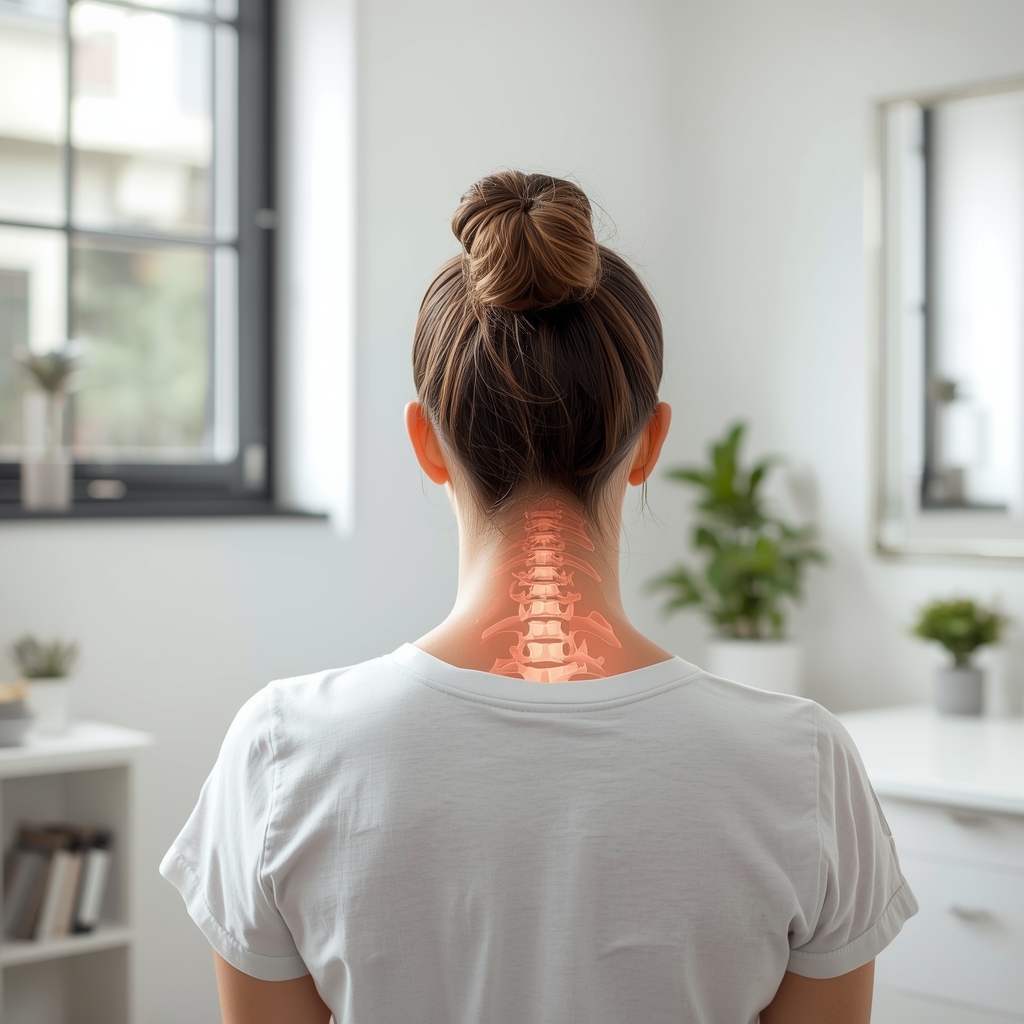
Understanding Neurogenic Thoracic Outlet Syndrome and the Cervical Spine Connection
Neurogenic thoracic outlet syndrome (NTOS) occurs when nerves near the thoracic outlet—where the neck, shoulder, and upper chest meet—become compressed. This can lead to pain, numbness, and weakness in the arms and hands. The cervical spine, particularly the lower neck vertebrae, plays a role in this condition, as misalignments or musculoskeletal imbalances here may contribute to nerve irritation. While NTOS is often linked to anatomical factors like rib abnormalities or muscle tension, cervical spine dysfunction is increasingly recognized as a potential contributing factor. Chiropractic care, including cervical spine manipulation, is explored as a non-invasive option to address these complex interactions.
Diagnostic Innovations for NTOS and Cervical Involvement
Accurate diagnosis of NTOS requires a thorough evaluation of nerve function, muscle tension, and anatomical structures. Advanced imaging, such as MRI or nerve conduction studies, helps identify nerve compression, while physical exams assess cervical spine mobility and posture. Innovations like dynamic ultrasound and electromyography (EMG) improve detection of nerve abnormalities. However, NTOS remains challenging to diagnose due to overlapping symptoms with other conditions. Chiropractors often integrate these tools to determine if cervical spine manipulation could address underlying musculoskeletal contributors, ensuring targeted treatment plans.
Cervical Spine Manipulation: Techniques and Mechanisms
Cervical spine manipulation involves controlled, quick movements to realign vertebrae and relieve pressure on nerves. For NTOS, this may focus on the C5-C8 regions, which are near the brachial plexus. By improving spinal mobility and reducing muscle tension, manipulation aims to alleviate nerve compression. Techniques like diversified adjustments or instrument-assisted methods are used, tailored to the patient’s condition. While primarily used for neck pain, chiropractors consider cervical manipulation as part of a broader approach to NTOS, addressing biomechanical factors that may exacerbate symptoms. However, its role remains debated, requiring careful patient selection.
Evidence Supporting Cervical Manipulation for NTOS
Research on cervical spine manipulation for NTOS is limited, but some studies suggest it may provide relief by improving nerve function and reducing musculoskeletal strain. A 2018 review noted that spinal adjustments could indirectly benefit NTOS by addressing cervical spine misalignments. However, large-scale, high-quality trials are needed to confirm efficacy. Many chiropractors report anecdotal success, emphasizing the importance of individualized care. While not a standalone solution, cervical manipulation is often combined with soft tissue therapy, posture correction, and exercise to optimize outcomes. Patients should discuss potential benefits and risks with a qualified provider.
Treatment Integration: Combining Approaches for NTOS
Chiropractic care for NTOS typically involves a multi-modal strategy. Cervical spine manipulation may be paired with soft tissue techniques, such as Active Release Technique (ART), to release tight muscles contributing to nerve compression. Postural retraining and therapeutic exercises also play a role in long-term management. For example, correcting forward head posture—a common issue in NTOS—can reduce strain on the cervical spine and thoracic outlet. While cervical manipulation may offer short-term relief, sustained improvement often requires addressing underlying biomechanics. Patients are encouraged to work with chiropractors to develop comprehensive, evidence-informed plans.
Considerations and the Importance of Professional Guidance
While cervical spine manipulation is generally safe when performed by a trained chiropractor, it is not suitable for all NTOS cases. Conditions like severe osteoporosis or spinal instability may contraindicate manipulation. Patients should seek providers with experience in neuromuscular and musculoskeletal disorders. Open communication with healthcare teams ensures safe integration with other treatments, such as physical therapy or medical interventions. Chiropractic care for NTOS remains an evolving field, emphasizing the need for personalized, research-informed approaches. Always consult a licensed professional to determine the best course of action for your specific condition.















