
Understanding Neuropathy in Diabetic Patients
Neuropathy, a common complication of diabetes, occurs when high blood sugar levels damage nerves, leading to pain, numbness, or tingling—often in the hands and feet. This condition can significantly impact daily life, making it crucial to explore complementary care options. Chiropractic care may offer relief by addressing nerve compression, improving mobility, and reducing inflammation. While not a cure, chiropractic techniques can support overall nerve health and enhance quality of life. It’s essential to consult a qualified chiropractor to determine the most suitable approach for individual needs, as treatment plans are tailored to each patient’s condition and medical history.
Spinal Adjustments and Nerve Pressure
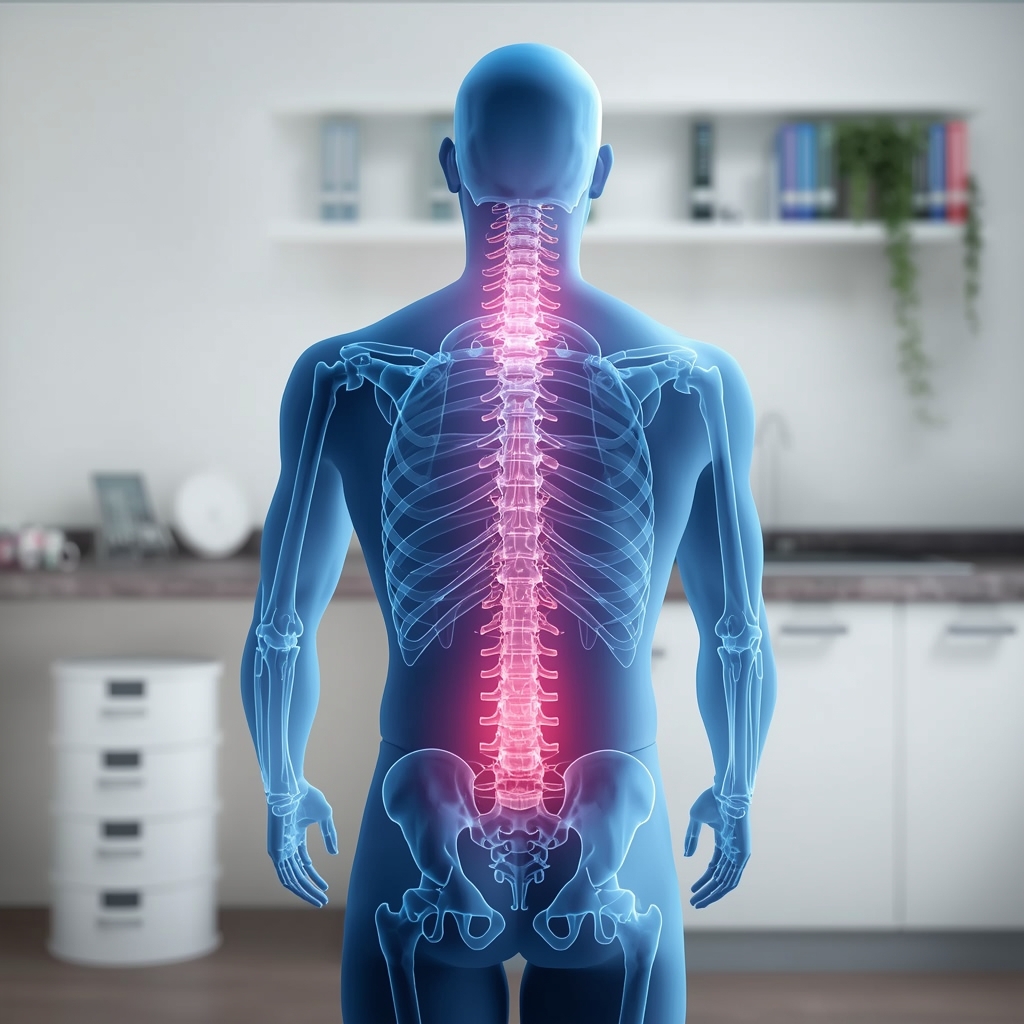
Spinal adjustments, a cornerstone of chiropractic care, aim to correct misalignments (subluxations) that may contribute to nerve irritation. In diabetic patients with neuropathy, these adjustments can help alleviate pressure on affected nerves, potentially reducing pain and improving function. By restoring proper spinal mechanics, chiropractors may enhance nerve signal transmission and promote better blood flow to extremities. However, the effectiveness of this approach varies, and it should be part of a broader care strategy. Patients should communicate their medical history and symptoms to ensure adjustments are safe and appropriate for their condition.
Soft Tissue Therapies for Nerve Relief
Soft tissue therapies, such as Active Release Technique (ART) or myofascial release, target tight muscles and connective tissues that may compress nerves. For diabetic neuropathy, these methods can ease tension around affected nerve pathways, potentially reducing discomfort. By improving circulation and flexibility, soft tissue work may also support the body’s natural healing processes. Chiropractors often combine these techniques with spinal adjustments for a holistic approach. While generally safe, patients should discuss any existing conditions or sensitivities with their provider to ensure therapies are tailored to their specific needs and comfort levels.
Decompression Therapy and Nerve Function
Spinal decompression therapy uses gentle traction to relieve pressure on spinal nerves, which may benefit patients with neuropathy caused by disc issues or spinal stenosis. This non-invasive technique can create space between vertebrae, reducing irritation and promoting nerve healing. For diabetic patients, decompression may help alleviate symptoms linked to nerve compression in the back or neck. However, its suitability depends on the underlying cause of neuropathy. A chiropractor will evaluate the patient’s condition to determine if decompression is a viable option, ensuring it aligns with their overall treatment plan.
Tailoring Care to Individual Needs
Chiropractic care for diabetic neuropathy is highly personalized, requiring a thorough assessment of the patient’s symptoms, medical history, and lifestyle. Factors such as the severity of nerve damage, coexisting conditions, and previous treatments influence the approach. A chiropractor may integrate multiple techniques, like adjustments, soft tissue work, and rehabilitative exercises, to address both nerve function and musculoskeletal health. Regular monitoring and adjustments to the care plan are essential, as patient responses can vary. Open communication between the patient and provider ensures that treatments remain effective and safe over time.
Collaborating with Healthcare Providers
Effective management of diabetic neuropathy often requires a multidisciplinary approach. Chiropractors may work alongside primary care physicians, endocrinologists, or neurologists to ensure comprehensive care. This collaboration helps avoid conflicting treatments and ensures all interventions align with the patient’s overall health goals. For example, a chiropractor might coordinate with a diabetes specialist to address nerve health while managing blood sugar levels. Patients should inform all their healthcare providers about chiropractic care to maintain a cohesive treatment strategy. This teamwork can lead to better outcomes and a more holistic approach to managing neuropathy.















