
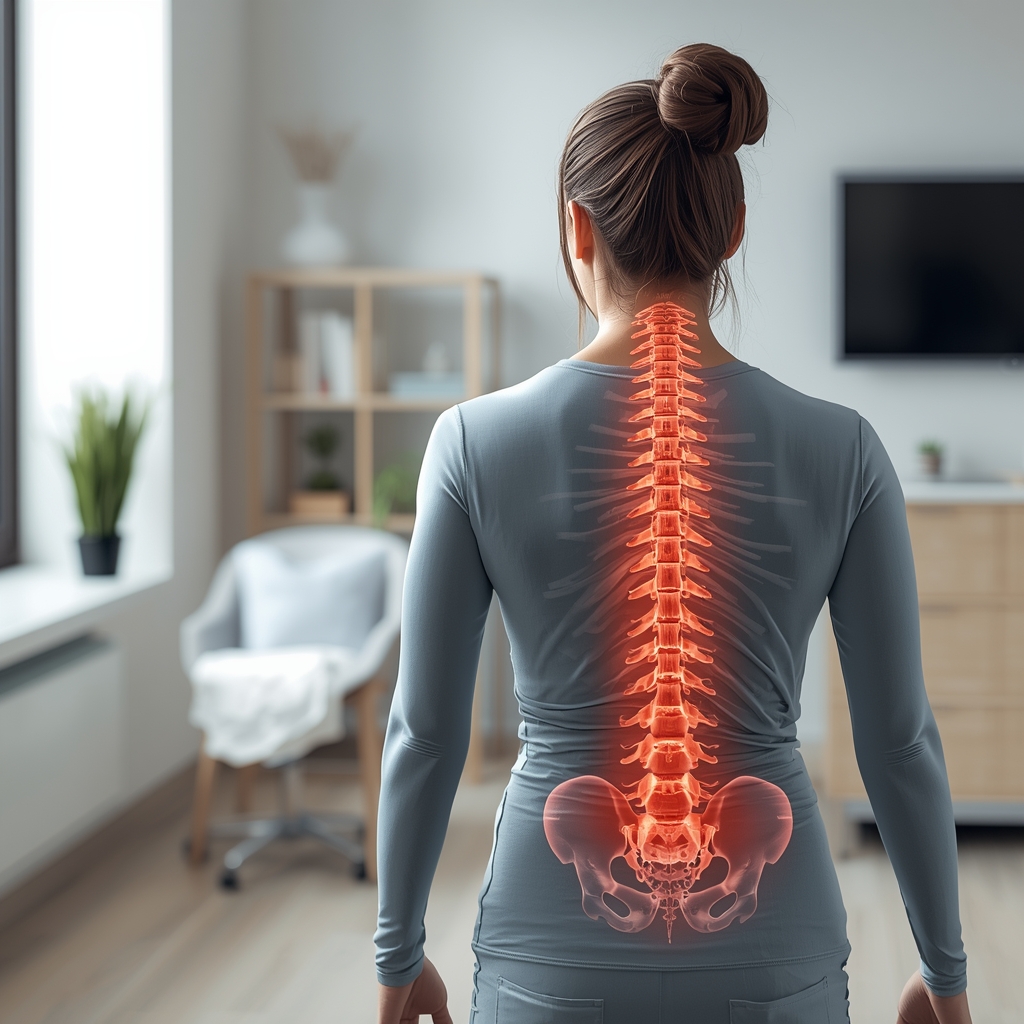
Chiropractic Care and the Opioid Crisis: A Growing Focus
The opioid epidemic has spurred renewed interest in non-pharmacological approaches to chronic pain management. Chiropractic care, with its emphasis on spinal adjustments and holistic techniques, has emerged as a viable alternative for many patients. Recent research trends highlight its potential to reduce reliance on opioids by addressing pain through musculoskeletal realignment and nerve function optimization. While studies are ongoing, healthcare providers and patients alike are increasingly recognizing the value of chiropractic interventions in managing chronic conditions without the risks associated with medication. This shift underscores a broader movement toward integrative, patient-centered care.
Recent Research Trends in Chiropractic Pain Management
Recent studies have explored the efficacy of chiropractic care in treating chronic pain, particularly in areas like back and neck pain. Researchers are focusing on how spinal manipulative therapy (SMT) can alleviate discomfort by improving joint mobility and reducing inflammation. Some investigations suggest that chiropractic interventions may enhance the body’s natural healing processes, offering long-term relief without the side effects of opioids. While large-scale clinical trials are still limited, preliminary findings indicate that patients often report improved function and reduced pain intensity after consistent chiropractic care. These trends reflect a growing body of evidence supporting chiropractic as a complementary or standalone approach to pain management.
How Chiropractic Techniques Address Chronic Pain
Chiropractic care targets the root causes of chronic pain by focusing on the musculoskeletal and nervous systems. Spinal adjustments, for example, aim to correct misalignments that may contribute to pain signals and restricted movement. Soft tissue therapies and rehabilitative exercises are also used to strengthen supporting structures and improve flexibility. By restoring proper biomechanics, chiropractors help the body function more efficiently, potentially reducing pain and preventing further injury. These techniques are often tailored to individual needs, emphasizing a personalized approach to care. While not a cure-all, they offer a non-invasive option for patients seeking alternatives to medication.
Patient Outcomes and Satisfaction with Chiropractic Care
Many patients report positive experiences with chiropractic care for chronic pain, citing improvements in mobility, reduced discomfort, and better overall quality of life. Surveys indicate that individuals who receive regular chiropractic treatments often feel more empowered to manage their conditions independently. Some also note a decreased need for pain medications, aligning with broader efforts to minimize opioid use. However, outcomes can vary based on the severity of the condition, the patient’s adherence to treatment plans, and the expertise of the chiropractor. Open communication with healthcare providers remains essential to ensure safe and effective care.
Integrating Chiropractic with Other Non-Opioid Therapies
Chiropractic care is often part of a multidisciplinary approach to chronic pain, combining with therapies like physical therapy, acupuncture, and lifestyle modifications. This integrative model allows for a more comprehensive treatment plan, addressing both structural and systemic factors contributing to pain. For instance, chiropractic adjustments may be paired with exercise programs to strengthen muscles and improve posture. Patients may also benefit from stress-reduction techniques, which can indirectly alleviate pain by reducing tension. Such collaborations highlight the versatility of chiropractic care in supporting long-term pain management without relying on opioids.
Future Directions for Chiropractic Research and Practice
As interest in non-opioid pain solutions grows, so does the need for rigorous research to validate chiropractic’s role in chronic pain management. Future studies may focus on standardized treatment protocols, long-term outcomes, and comparisons with other therapies. Advances in technology, such as improved diagnostic tools, could enhance the precision of chiropractic interventions. Additionally, increased collaboration between chiropractors and medical professionals may lead to more integrated care models. While challenges remain, the evolving landscape suggests a promising future for chiropractic as a key player in addressing the opioid crisis and improving patient well-being.














