
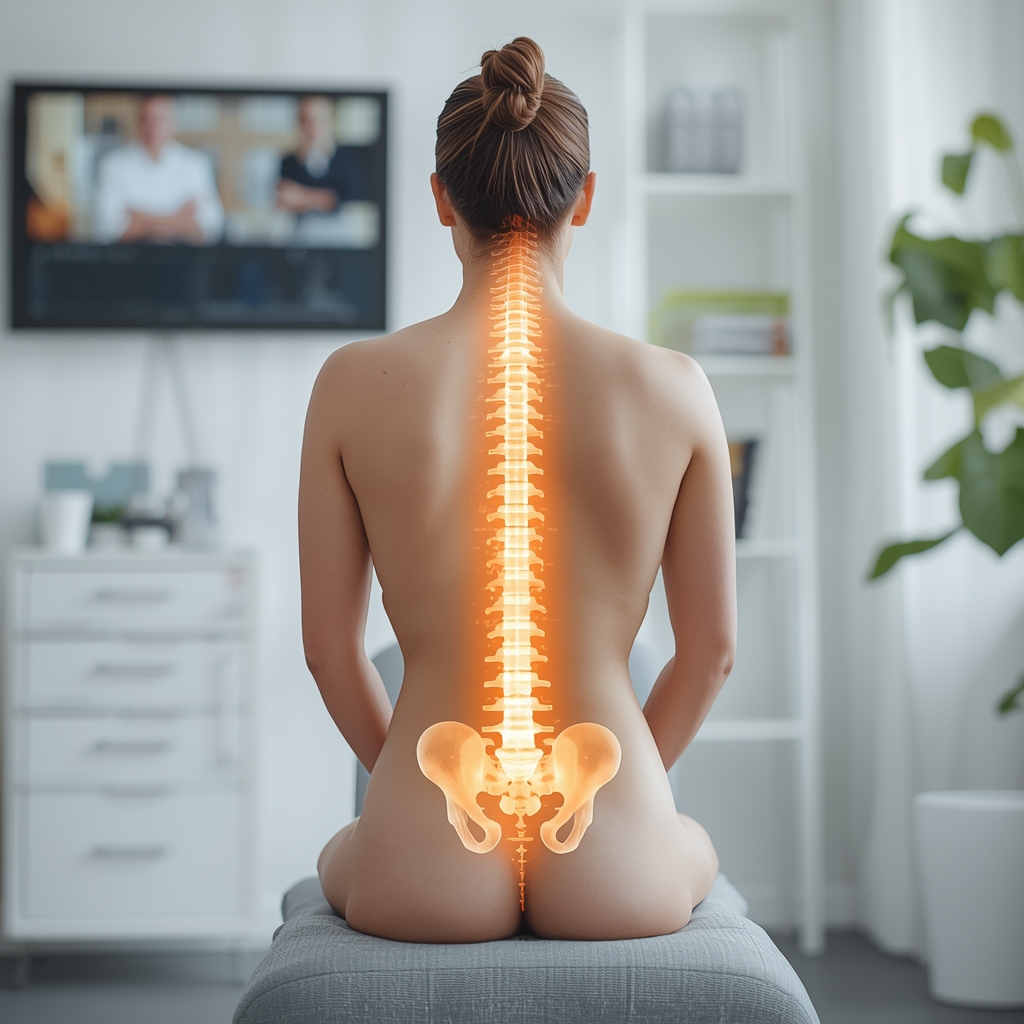
Understanding Chronic Sacroiliac Joint Dysfunction
Chronic sacroiliac (SI) joint dysfunction involves persistent pain and discomfort in the lower back and pelvis due to misalignment or instability of the SI joint. This condition can stem from trauma, arthritis, pregnancy, or repetitive strain. Non-surgical chiropractic approaches focus on restoring proper joint function, reducing inflammation, and alleviating pain without invasive procedures. Patients often seek these methods to avoid the risks and recovery times associated with surgery. Chiropractors use a combination of manual techniques, therapeutic exercises, and lifestyle adjustments to address the root causes of SI joint dysfunction, aiming to improve mobility and quality of life.
Spinal Manipulation and Joint Adjustments
Spinal manipulation, a cornerstone of chiropractic care, involves precise adjustments to realign the SI joint and surrounding structures. These techniques aim to reduce pressure on nerves, improve joint mobility, and restore normal biomechanics. Chiropractors may use diversified adjustments, which involve quick, controlled thrusts, or mobilization techniques that gently move the joint through its range of motion. Research suggests that these methods can significantly reduce pain and disability in patients with chronic SI joint dysfunction. However, results vary, and adjustments are typically part of a broader treatment plan that may include soft tissue work and rehabilitative exercises.
Soft Tissue Therapies and Myofascial Release
Soft tissue therapies target the muscles, ligaments, and fascia surrounding the SI joint, which often contribute to pain and restricted movement. Techniques like Active Release Technique (ART) and myofascial release involve applying pressure to tense or adhered tissues to break up adhesions and restore flexibility. These methods can alleviate muscle spasms, improve circulation, and reduce inflammation. Chiropractors may also use instrument-assisted soft tissue mobilization (IASTM) to enhance effectiveness. While not a standalone solution, soft tissue work complements joint adjustments and helps prevent recurring symptoms by addressing muscular imbalances that strain the SI joint.
Corrective Exercises and Rehabilitation
Customized corrective exercises are vital for strengthening the muscles that stabilize the SI joint, such as the glutes, core, and hip flexors. Chiropractors often prescribe low-impact movements like pelvic tilts, bridges, and clamshells to improve posture and reduce joint stress. These exercises enhance proprioception—the body’s ability to sense joint position—and promote long-term stability. Patients may also benefit from physical therapy modalities like neuromuscular re-education. Consistency is key, as strengthening the supporting musculature helps prevent future episodes of dysfunction. A chiropractor can tailor these exercises to individual needs and monitor progress over time.
Adjunct Therapies for Symptom Relief
Adjunct therapies such as cold laser therapy, ultrasound, and electrical stimulation may be used to reduce inflammation and ease pain associated with SI joint dysfunction. Cold laser therapy, for instance, is believed to stimulate cellular repair and decrease swelling, while ultrasound uses sound waves to penetrate deep tissues and promote healing. Electrical stimulation, including TENS units, can block pain signals and relax tight muscles. These modalities are typically used alongside manual techniques and exercise programs. While not a primary treatment, they offer additional relief and can accelerate recovery when integrated into a comprehensive care plan.
Personalized Care and Long-Term Management
Effective treatment for chronic SI joint dysfunction requires a personalized approach, as each patient’s condition and lifestyle differ. Chiropractors conduct thorough evaluations to identify contributing factors, such as gait abnormalities or postural imbalances, and develop tailored strategies. Regular follow-ups ensure adjustments and therapies remain effective over time. Patients are often advised to maintain ergonomic practices, avoid heavy lifting, and engage in ongoing exercise routines. While non-surgical methods can provide significant relief, long-term success depends on adherence to the care plan and open communication with the chiropractor. Always consult a qualified provider to determine the best course of action for your specific needs.












