
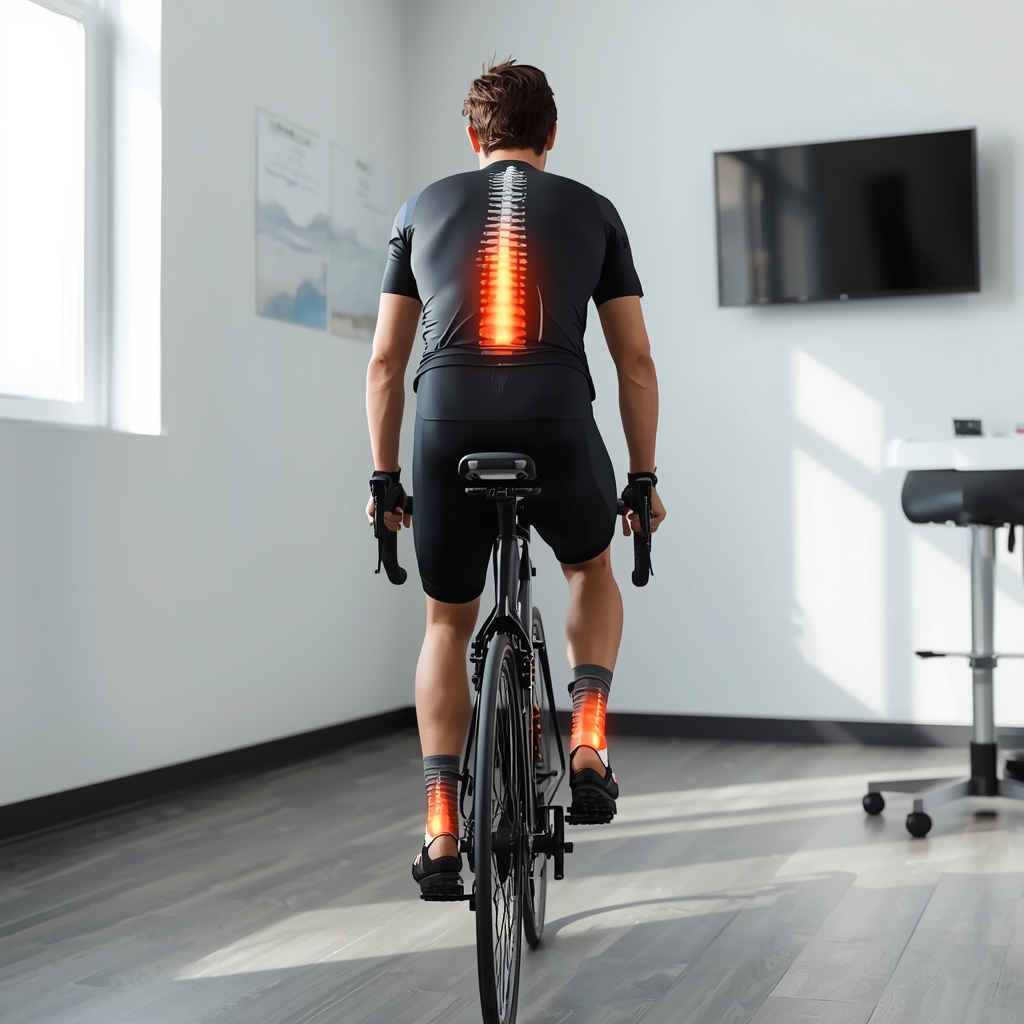
Understanding Iliotibial Band Syndrome in Cyclists
Iliotibial Band Syndrome (ITBS) is a common overuse injury among long-distance cyclists, caused by repetitive friction of the iliotibial band over the femur. This condition often results from poor biomechanics, muscle imbalances, or improper bike fit. Chiropractic care plays a preventive role by addressing underlying musculoskeletal issues that contribute to ITBS. By focusing on alignment, soft tissue health, and movement patterns, chiropractors help cyclists maintain optimal function and reduce injury risk. Regular assessments can identify early signs of strain, allowing for timely interventions. This approach emphasizes proactive care rather than reactive treatment, aligning with the goals of athletes seeking to sustain performance while minimizing downtime.
Soft Tissue Techniques for ITBS Prevention
Non-invasive soft tissue therapies, such as Active Release Technique (ART) and Graston Technique, are valuable for preventing ITBS by reducing tension in the iliotibial band and surrounding muscles. These methods target adhesions and scar tissue that can restrict movement and increase friction. ART involves manual pressure and patient movement to break down knots, while Graston uses specialized tools to detect and treat soft tissue abnormalities. Both techniques improve flexibility and circulation, lowering the risk of ITBS. Cyclists may benefit from periodic sessions to maintain tissue health, especially during intense training periods. However, these should be performed by trained professionals to ensure safety and effectiveness.
Spinal Adjustments and Postural Alignment
Spinal misalignments can disrupt biomechanics, leading to compensatory movements that strain the iliotibial band. Chiropractic adjustments restore proper spinal alignment, enhancing neuromuscular coordination and reducing undue stress on the lower body. For cyclists, maintaining a neutral spine and balanced pelvis is critical for even weight distribution during pedaling. Regular adjustments can correct postural deviations, such as anterior pelvic tilt, which are linked to ITBS. By ensuring the nervous system functions optimally, chiropractors support the body’s natural ability to adapt to physical demands. This foundational approach complements other preventive strategies, creating a holistic injury-prevention plan.
Corrective Exercises and Stretching Routines
Customized corrective exercises and stretching programs are essential for preventing ITBS by strengthening weak muscles and improving flexibility. Cyclists often develop imbalances between hip abductors, glutes, and ITB, which can be addressed through targeted movements like clamshells, side-lying leg lifts, and foam rolling. Stretching routines focusing on the ITB, hamstrings, and hip flexors enhance range of motion and reduce friction. Chiropractors may recommend these exercises as part of a broader preventive strategy, tailored to individual needs. Consistency is key, as regular practice helps maintain musculoskeletal resilience. However, guidance from a qualified provider ensures exercises are performed correctly and safely, avoiding further strain.
Biomechanical Assessments and Bike Fit Optimization
Proper bike fit is crucial for preventing ITBS, as ill-fitting equipment can exacerbate biomechanical inefficiencies. Chiropractors often collaborate with bike fitters to analyze a cyclist’s posture, pedal stroke, and joint alignment. Assessments may include evaluating saddle height, handlebar position, and cleat placement to minimize stress on the ITB. By identifying and correcting these factors, chiropractic care reduces repetitive strain and promotes efficient movement. Regular reassessments during training cycles ensure adjustments keep pace with evolving fitness levels. This integrated approach highlights the importance of combining musculoskeletal health with ergonomic optimization for long-term injury prevention.
Integrating Chiropractic Care Into Training Routines
Incorporating chiropractic care into a cyclist’s training schedule fosters a proactive approach to injury prevention. Regular check-ups allow for early detection of imbalances or dysfunctions that could lead to ITBS. Chiropractors may recommend periodic adjustments, soft tissue work, and exercise regimens based on training intensity and personal goals. Open communication between cyclists, chiropractors, and other professionals ensures a cohesive strategy. This collaboration empowers athletes to make informed decisions about their health, balancing performance demands with long-term musculoskeletal well-being. By prioritizing preventive care, cyclists can sustain their passion while reducing the risk of debilitating injuries.














