
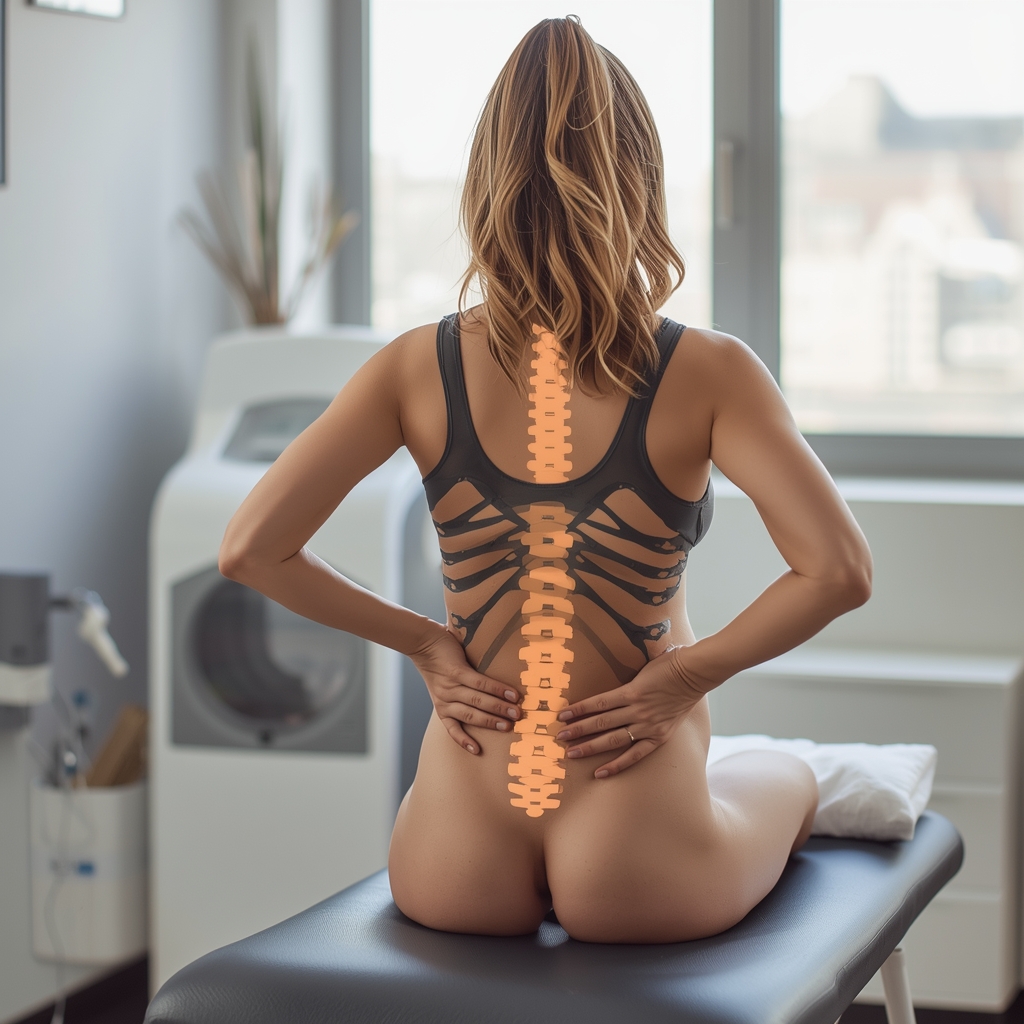
Understanding Symphysis Pubis Dysfunction in the Third Trimester
Symphysis pubis dysfunction (SPD) occurs when the pubic symphysis, the cartilage joint at the front of the pelvis, becomes inflamed or misaligned. This condition is common in the third trimester due to hormonal changes that loosen ligaments and the growing uterus increasing pressure on the pelvis. Symptoms include sharp pain in the groin, hips, or thighs, difficulty walking, and discomfort during movement. SPD can significantly impact daily activities and sleep, making it a critical concern for expectant mothers. While physical therapy and supportive measures are often recommended, many seek chiropractic care as a non-invasive option to alleviate symptoms and restore pelvic stability.
How Prenatal Chiropractic Adjustments Work
Prenatal chiropractic adjustments focus on aligning the spine and pelvis to reduce pressure on nerves and improve musculoskeletal function. During the third trimester, a chiropractor may use gentle, pregnancy-safe techniques to address pelvic misalignments that contribute to SPD. These adjustments aim to restore balance to the pelvis, reduce inflammation, and enhance the body’s natural ability to heal. By improving joint mobility and muscle function, chiropractic care can ease discomfort and support the body’s adaptation to the physical changes of late pregnancy. It is important to note that these adjustments are tailored to the individual’s needs and performed with care to ensure safety for both mother and baby.
Specific Techniques for Alleviating SPD
Chiropractors may employ specialized techniques to address SPD, such as the Webster Technique, which focuses on balancing the pelvis and reducing intrauterine constraint. This method involves gentle adjustments to the sacrum and surrounding structures, promoting optimal fetal positioning and relieving pressure on the pubic symphysis. Other approaches may include soft tissue therapy to ease muscle tension around the pelvis or pelvic stabilization exercises to strengthen supporting ligaments. These techniques are designed to work in harmony with the body’s natural processes, minimizing pain and improving mobility. While results vary, many women report reduced discomfort and greater ease of movement after consistent chiropractic care during the third trimester.
Benefits of Chiropractic Care for SPD
Prenatal chiropractic care offers several potential benefits for managing SPD. By realigning the pelvis, adjustments can reduce pain and inflammation, making daily activities more comfortable. Improved pelvic alignment may also support better posture and reduce strain on the lower back and hips. Additionally, chiropractic care can enhance nerve function, which may contribute to overall well-being during pregnancy. Some women find that regular adjustments help them avoid more invasive treatments, such as medication or physical therapy. While not a cure, chiropractic care can be a valuable part of a holistic approach to managing SPD, empowering expectant mothers to maintain mobility and comfort as their bodies prepare for childbirth.
Safety Considerations for Prenatal Chiropractic Care
Chiropractic care during pregnancy is generally safe when performed by a qualified practitioner trained in prenatal techniques. It is essential to choose a chiropractor with experience in working with expectant mothers to ensure adjustments are tailored to the unique needs of late pregnancy. Techniques are modified to avoid pressure on the abdomen and prioritize the mother’s comfort. While rare, some women may experience temporary discomfort or mild soreness after an adjustment, which typically resolves quickly. Always communicate openly with your chiropractor about any concerns or changes in symptoms. Regular check-ins can help monitor progress and adjust the care plan as needed, ensuring a safe and effective approach to managing SPD.
When to Seek Professional Guidance
If you experience persistent pain, difficulty moving, or worsening symptoms of SPD, it is advisable to consult a chiropractor or healthcare provider. A chiropractor can assess your condition, rule out other causes of pelvic pain, and develop a personalized care plan. They may recommend adjustments, lifestyle modifications, or complementary therapies to address your specific needs. It is important to avoid self-diagnosis or unproven treatments, as these can delay effective care. By working with a qualified professional, you can explore safe, evidence-based options to manage SPD and support a more comfortable pregnancy. Always prioritize open communication with your care team to ensure the best outcomes for you and your baby.















