
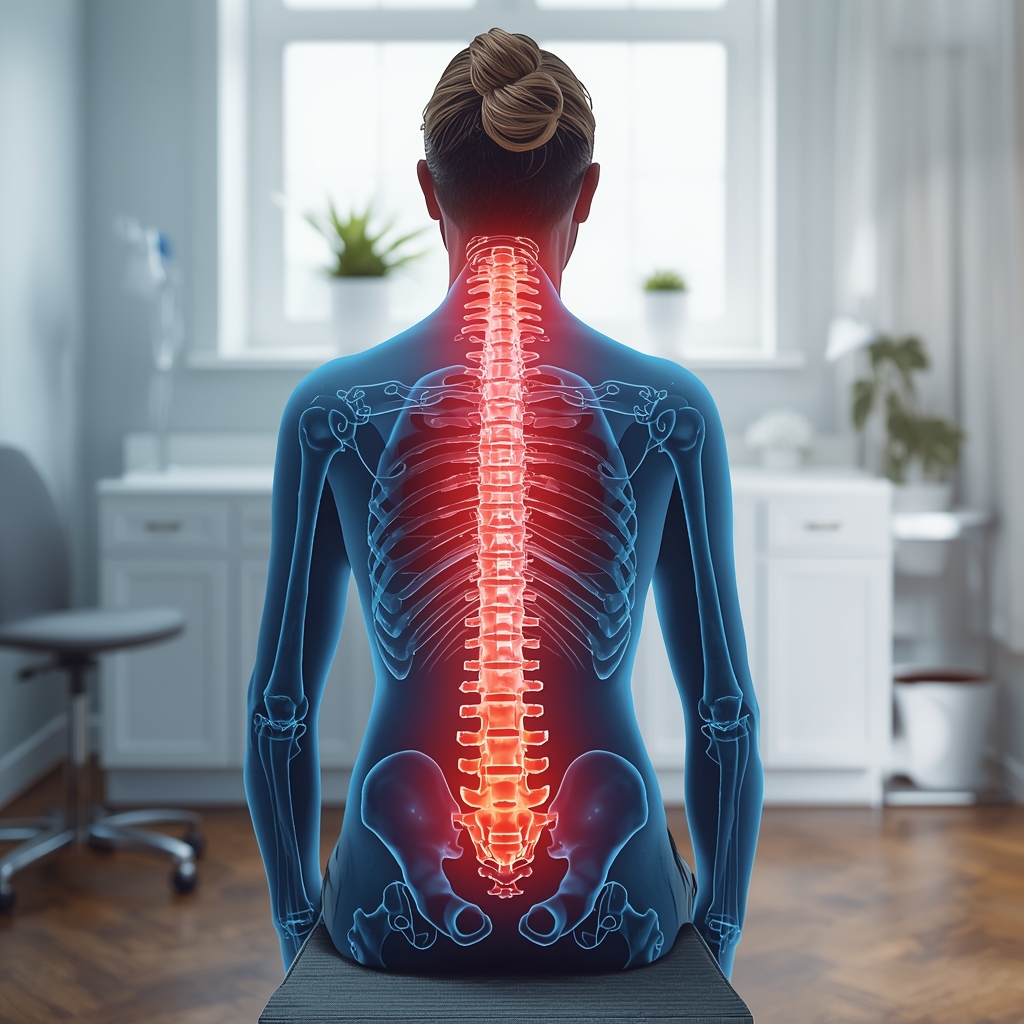
The Nervous System's Role in Pain Modulation
Chiropractic adjustments may influence pain relief by interacting with the nervous system's complex regulatory networks. The spine houses critical nerve pathways, and misalignments—known as subluxations—can disrupt normal neural communication. By restoring proper alignment, adjustments may reduce abnormal sensory input to the brain, potentially altering pain perception. This aligns with the gate control theory of pain, which suggests that non-painful stimuli can modulate pain signals. While the exact mechanisms remain under study, the interplay between spinal mechanics and neural function is a key area of exploration in understanding how adjustments may contribute to pain management.
Neurotransmitter Release and Pain Signaling
Adjustments may stimulate the release of neurotransmitters that influence pain processing. For example, the nervous system can release endogenous opioids, natural pain-relievers, in response to mechanical stimuli. This could temporarily reduce pain sensitivity. Additionally, adjustments might affect the balance of excitatory and inhibitory neurotransmitters, such as glutamate and GABA, which regulate nerve activity. These changes could help dampen excessive pain signals. However, research in this area is ongoing, and the precise biochemical pathways remain areas of active investigation rather than definitive conclusions.
Autonomic Nervous System Regulation
The autonomic nervous system (ANS), which governs involuntary functions like heart rate and inflammation, may also be impacted by chiropractic adjustments. By influencing spinal nerve function, adjustments could shift the ANS toward a more balanced state, potentially reducing stress responses linked to chronic pain. For instance, a shift toward parasympathetic dominance might promote relaxation and reduce muscle tension. While some studies suggest such effects, the evidence is still emerging, and individual responses can vary. This area highlights the potential for adjustments to address pain through broader physiological regulation rather than isolated mechanical correction.
Mechanical Effects on Neural Structures
Adjustments can alter the mechanical environment of the spine, potentially relieving pressure on nerves and surrounding tissues. This may reduce irritation of nerve roots or spinal cord structures, which could contribute to pain relief. For example, decompressing a compressed nerve might alleviate radiating pain or numbness. However, these effects are often considered secondary to the nervous system's adaptive responses. The interplay between mechanical changes and neural feedback is complex, and while some patients report immediate relief, the long-term mechanisms require further scientific exploration.
Proprioceptive Feedback and Motor Control
Proprioceptors—sensory receptors in muscles and joints—play a vital role in movement and posture. Misalignments may distort proprioceptive signals, leading to altered motor control and pain. Adjustments might restore accurate proprioceptive feedback, improving coordination and reducing pain from compensatory movement patterns. This could explain why some patients experience improved function alongside pain relief. However, the extent to which proprioceptive changes drive pain outcomes remains a topic of research, with no conclusive evidence yet establishing a direct causal link.
Integrative Neurophysiological Responses
Chiropractic adjustments may trigger a cascade of neurophysiological responses that collectively contribute to pain relief. These include neural, hormonal, and muscular interactions that are not yet fully understood. For instance, adjustments might activate descending inhibitory pathways that suppress pain signals. Additionally, they could influence inflammatory markers or muscle tone through neural reflexes. While these mechanisms are theorized, the field lacks consensus on their exact roles. Ongoing research aims to clarify how these integrative responses interact, offering a more comprehensive picture of chiropractic efficacy.













