
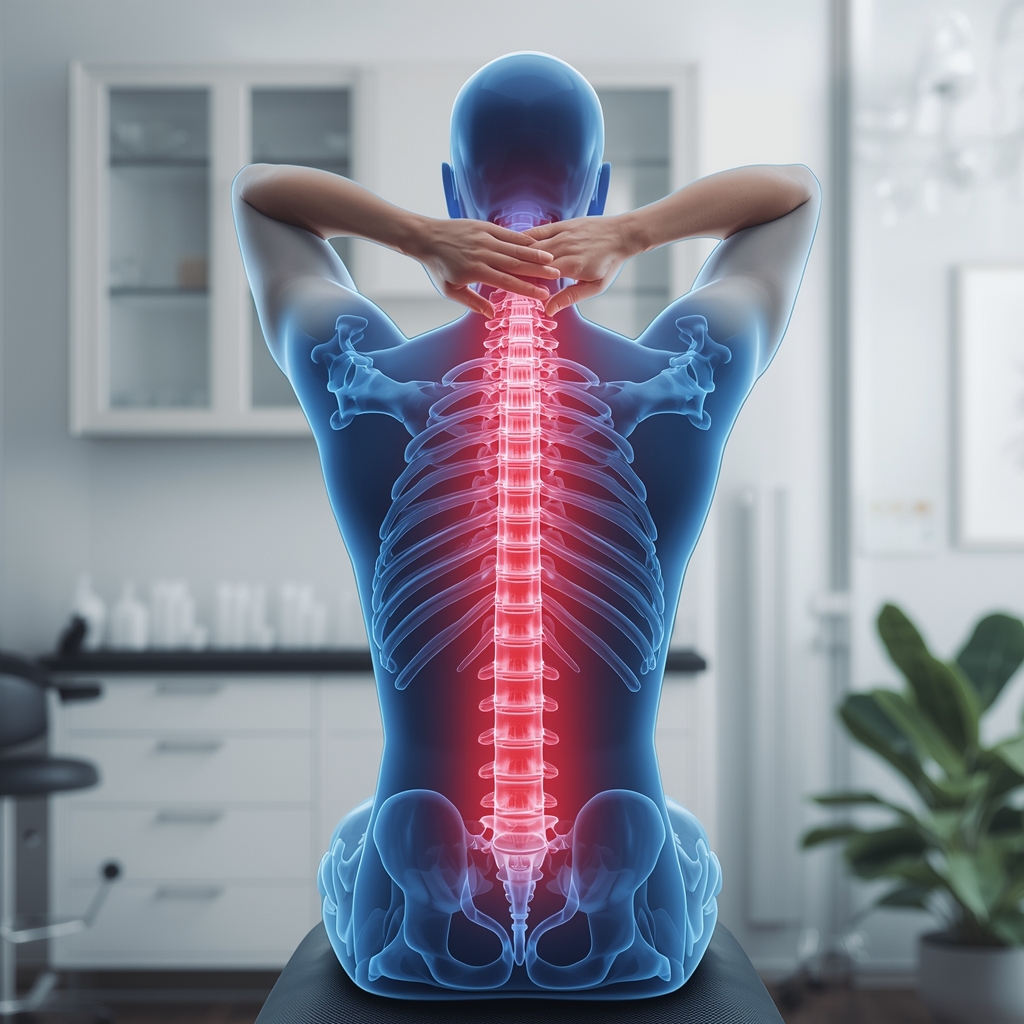
Understanding Subluxations and Nerve Function
Spinal adjustments aim to correct subluxations—partial misalignments of vertebrae that may irritate nerves. This irritation can disrupt normal nerve signaling, potentially contributing to pain or dysfunction. By realigning the spine, chiropractors seek to reduce pressure on nerves, allowing them to transmit signals more effectively. This process may help restore balance to the nervous system, which plays a central role in pain perception and overall bodily function. While the exact mechanisms remain an area of ongoing research, many chiropractors explain this as a way to support the body’s natural ability to heal and regulate itself.
The Role of the Central Nervous System
Spinal adjustments may influence the central nervous system (CNS) by altering sensory input from the spine to the brain. Research suggests that proper spinal alignment can enhance proprioception—the body’s awareness of its position in space. This improved feedback loop may help the CNS better regulate muscle tone, posture, and pain responses. Additionally, adjustments might stimulate the release of neurotransmitters that modulate pain signals. For example, the brain may interpret reduced mechanical stress on nerves as a signal to decrease pain sensitivity. Chiropractors often use this framework to help patients understand how spinal care can support broader neurological health.
Neurotransmitter Release and Pain Modulation
Some studies indicate that spinal adjustments may trigger the release of endogenous opioids, natural pain-relievers produced by the body. These chemicals, including endorphins, can dampen pain signals in the spinal cord and brain. Adjustments might also influence other neurotransmitters, such as serotonin and dopamine, which play roles in mood and pain regulation. By promoting a balanced chemical environment, chiropractic care may contribute to reduced pain and improved well-being. Chiropractors often describe this as a way the body’s systems work together to manage discomfort, emphasizing that individual responses can vary and should be discussed with a qualified provider.
Reflex Pathways and Muscle Function
Spinal adjustments can impact reflex pathways that govern muscle activity. When a vertebra is misaligned, it may alter the function of muscles surrounding the spine, leading to tension or weakness. Correcting these misalignments may restore normal muscle function by re-establishing proper nerve communication. This can reduce muscle spasms and improve posture, which in turn may alleviate pain. Chiropractors often explain this as a way to address the root causes of discomfort rather than just masking symptoms. Patients may find it helpful to understand how spinal health directly affects movement and musculoskeletal comfort.
The Autonomic Nervous System Response
Adjustments may also influence the autonomic nervous system (ANS), which regulates involuntary functions like heart rate and digestion. By reducing spinal stress, chiropractic care could shift the ANS toward a more balanced state, favoring the parasympathetic “rest and digest” response. This shift may promote relaxation, reduce inflammation, and support overall recovery. Chiropractors often highlight this as a way spinal care contributes to systemic well-being, though they emphasize that individual outcomes depend on various factors. Patients are encouraged to view these effects as part of a holistic approach to health.
Communicating These Mechanisms to Patients
Explaining neurological mechanisms to patients requires clarity and simplicity. Chiropractors might use analogies, such as comparing the nervous system to a highway for messages, to illustrate how adjustments can clear blockages. They may also emphasize that while research continues, many patients report relief that aligns with these principles. It’s important to frame these concepts as part of a broader conversation about health, avoiding definitive claims about specific outcomes. By focusing on education and collaboration, chiropractors help patients make informed decisions about their care while respecting the complexity of the human body.












