
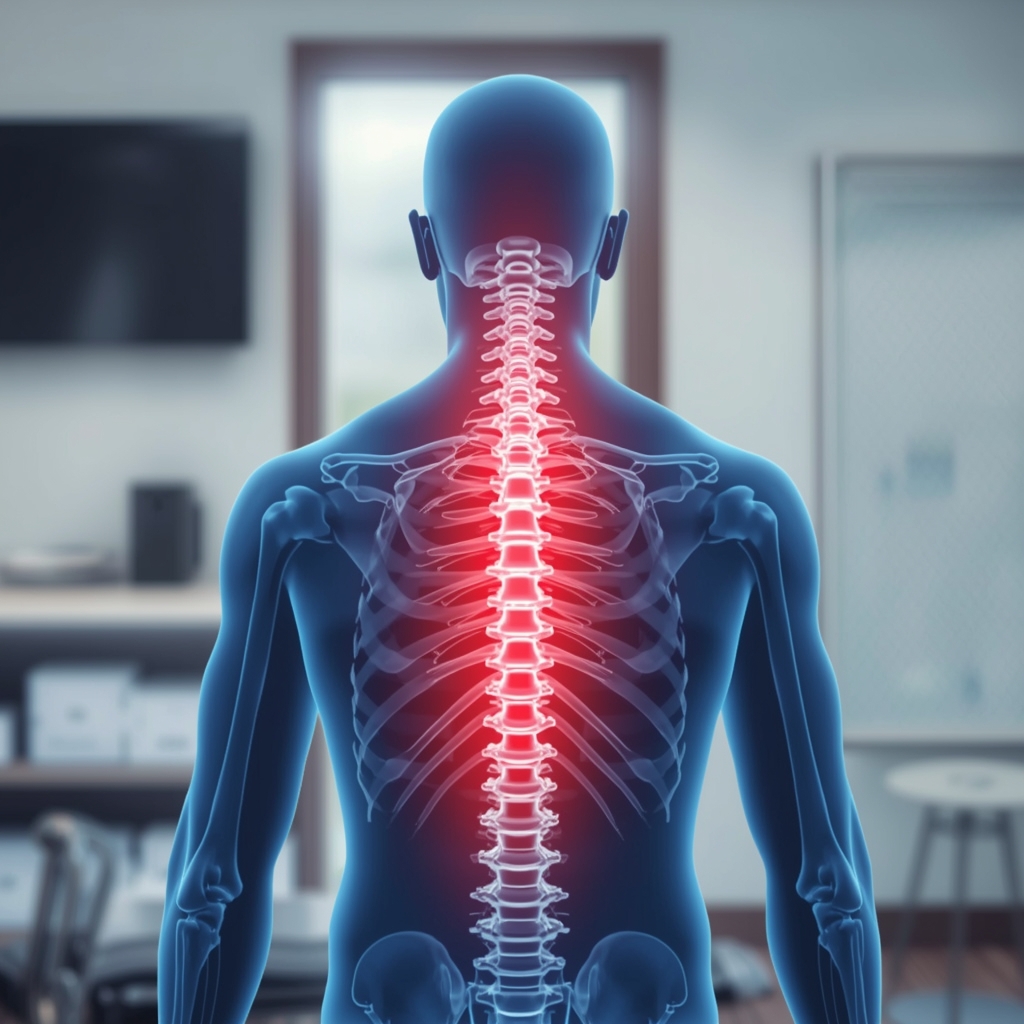
Understanding the Nervous System's Role
The nervous system plays a central role in the body's response to spinal adjustments. When a chiropractor performs an adjustment, they apply controlled force to specific spinal areas, which can influence nerve function. This interaction may help reduce nerve irritation or improve communication between the brain and body. The spinal cord serves as a major pathway for sensory and motor signals, and adjustments might enhance this pathway's efficiency. By addressing misalignments, adjustments could potentially restore normal neurological function, though the exact mechanisms remain an area of ongoing research. This connection highlights the importance of the nervous system in both health and the potential benefits of chiropractic care.
Impact on Sensory Feedback and Reflexes
Spinal adjustments may affect sensory feedback loops that regulate muscle tone and joint stability. The spine contains proprioceptors—sensory receptors that detect movement and position—which send information to the brain. An adjustment could alter this feedback, potentially improving neuromuscular coordination. For example, adjustments might reduce muscle tension by modulating signals from the Golgi tendon organs, which monitor muscle force. This could lead to immediate changes in posture or movement patterns. Additionally, reflexes like the stretch reflex may be influenced, contributing to reduced pain or improved mobility. These effects underscore the complex interplay between spinal mechanics and neurological responses.
Neurotransmitter Release and Pain Modulation
Adjustments might influence the release of neurotransmitters involved in pain regulation. The nervous system uses chemicals like endorphins and serotonin to modulate pain signals. Some research suggests that spinal manipulation could stimulate the release of these substances, temporarily reducing pain perception. Additionally, adjustments may affect the activity of the sympathetic nervous system, which is involved in the body's stress response. By altering this activity, adjustments might promote relaxation and reduce muscle tension. While the precise pathways remain unclear, these mechanisms highlight how chiropractic care could impact both pain and physiological stress responses through neurological interactions.
Central Nervous System Adaptations
Immediate effects of spinal adjustments may involve changes in the central nervous system (CNS), including the brain and spinal cord. The CNS processes sensory input and generates motor output, and adjustments could influence this processing. For instance, adjustments might alter the way the brain perceives movement or pain, potentially leading to improved function. Studies using imaging techniques suggest that spinal manipulation can affect brain activity in regions associated with motor control and sensory integration. These changes might explain why some individuals experience immediate relief or enhanced mobility after an adjustment. However, more research is needed to fully understand these CNS adaptations.
Autonomic Nervous System Interactions
The autonomic nervous system (ANS), which regulates involuntary functions like heart rate and digestion, may also be affected by spinal adjustments. The ANS has two main branches: sympathetic (fight-or-flight) and parasympathetic (rest-and-digest). Adjustments could influence the balance between these branches, potentially reducing stress responses or promoting relaxation. For example, some evidence suggests that spinal manipulation might decrease sympathetic activity, leading to lower heart rate or improved digestion. These effects could contribute to the immediate sense of well-being some patients report. However, the extent and consistency of these interactions require further investigation to establish clear links between adjustments and ANS function.
Conclusion: Integrating Neurological Insights
The immediate effects of spinal adjustments are likely tied to complex neurological mechanisms that influence sensory, motor, and autonomic functions. While research continues to explore these pathways, the interplay between spinal mechanics and the nervous system remains a key focus. Chiropractic care may help optimize nerve function by addressing misalignments and improving communication within the body. Patients considering adjustments should consult a qualified provider to discuss potential benefits and risks. Understanding these neurological interactions can empower individuals to make informed decisions about their healthcare, emphasizing the importance of professional guidance in exploring chiropractic interventions.













