
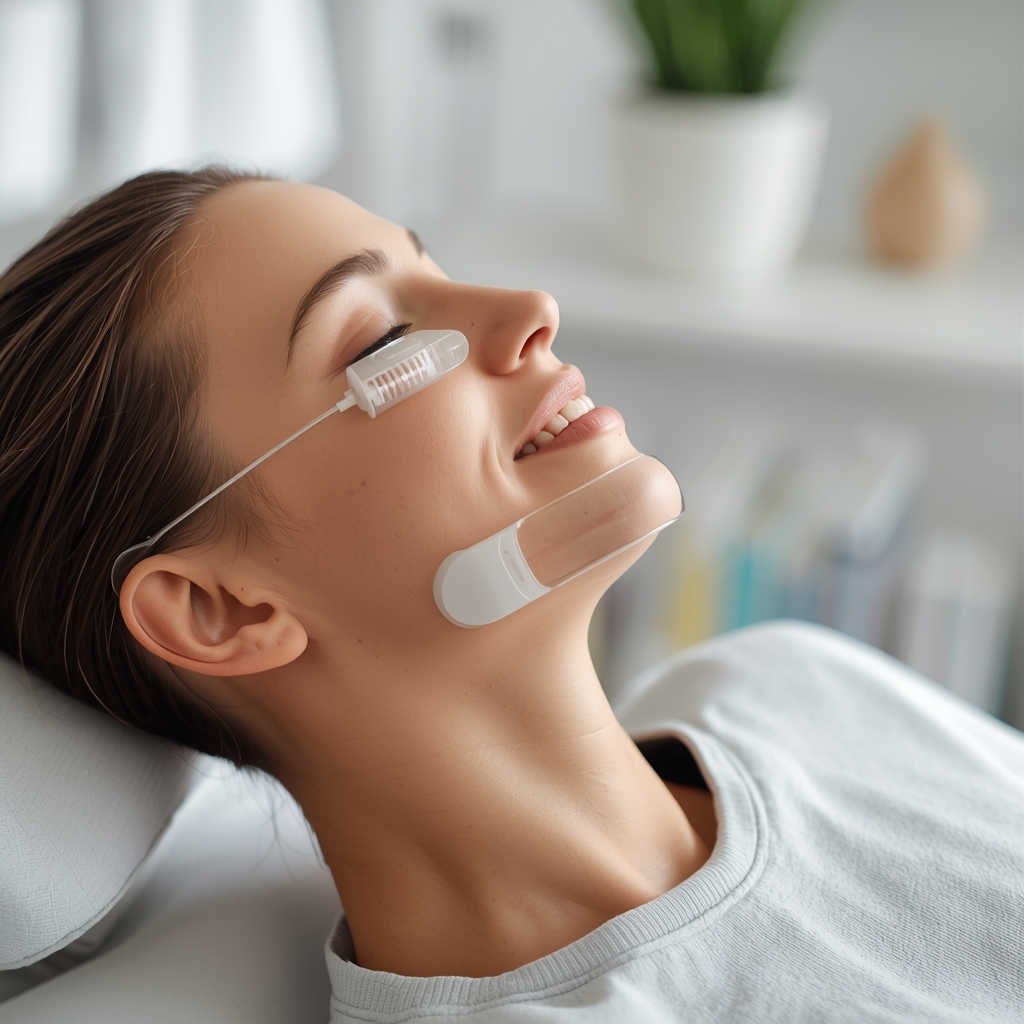
Understanding Recurrent TMJ Dislocations and Non-Surgical Solutions
Recurrent temporomandibular joint (TMJ) dislocations occur when the jaw joint repeatedly slips out of its normal position, causing pain, limited mobility, and discomfort. Non-surgical approaches are often preferred to avoid the risks of invasive procedures. Jaw repositioning appliances, such as splints or bite guards, are commonly used to stabilize the joint and prevent further dislocations. These devices work by maintaining proper alignment of the jaw, reducing strain on the surrounding muscles and ligaments. Chiropractic care may also play a role in addressing underlying musculoskeletal imbalances that contribute to TMJ dysfunction. By combining these methods, patients can achieve improved joint stability and reduced symptoms without surgical intervention.
Common Types of Jaw Repositioning Appliances
Jaw repositioning appliances are custom-fitted devices designed to hold the jaw in a stable position. Occlusal splints, also known as bite guards, are the most widely used, as they help redistribute pressure on the teeth and jaw. Another option is the stabilization splint, which prevents the lower jaw from moving too far forward, a common cause of dislocation. Some appliances incorporate adjustable features to gradually reposition the joint over time. These devices are typically made from durable, soft materials to ensure comfort during wear. While they do not cure TMJ dislocations, they provide symptomatic relief and support the jaw’s natural alignment. Patients should consult a healthcare provider to determine the most suitable appliance based on their specific condition and needs.
How Jaw Appliances Support Joint Stability
Jaw repositioning appliances function by maintaining the joint in a neutral position, preventing excessive movement that could lead to dislocation. By stabilizing the mandible, these devices reduce stress on the TMJ’s ligaments and surrounding muscles. This can alleviate pain and improve the joint’s ability to function properly. Additionally, appliances may help retrain the jaw’s movement patterns, promoting long-term improvements in alignment. For patients with habitual clenching or grinding, splints can also minimize wear on the teeth and reduce muscle tension. While appliances alone may not resolve all TMJ issues, they serve as a foundational tool in managing recurrent dislocations. Their effectiveness often depends on consistent use and proper fitting by a qualified professional.
The Role of Chiropractic Adjustments in TMJ Management
Chiropractic adjustments focus on correcting misalignments in the spine and skull, which may contribute to TMJ dysfunction. By addressing vertebral subluxations, chiropractors aim to reduce nerve interference and improve musculoskeletal balance. For TMJ patients, adjustments to the cervical spine or craniocervical junction can alleviate tension in the jaw area. Techniques such as atlas adjustments or soft tissue therapies may also enhance joint mobility and reduce inflammation. Chiropractic care is often part of a multidisciplinary approach, working alongside dental or orthodontic interventions. While not a standalone solution, these adjustments can complement jaw appliances by supporting overall structural harmony. Patients should discuss their TMJ history with a chiropractor to determine the most appropriate treatment plan.
Combining Appliances and Chiropractic Care for Optimal Outcomes
Integrating jaw repositioning appliances with chiropractic adjustments can enhance treatment effectiveness for recurrent TMJ dislocations. Appliances provide immediate mechanical support, while chiropractic care addresses underlying postural or spinal imbalances. This combined approach may reduce the frequency of dislocations and improve long-term joint function. For example, a patient might use a splint to stabilize the jaw while undergoing adjustments to correct cervical spine misalignments. Chiropractors may also recommend exercises or lifestyle modifications to further support jaw health. However, individual results vary, and patients should work closely with their healthcare providers to monitor progress. This collaborative strategy emphasizes a holistic view of TMJ management, focusing on both structural and functional improvements.
Consulting Professionals for Personalized Care
Each patient’s TMJ condition is unique, requiring tailored solutions. Jaw repositioning appliances and chiropractic adjustments should be part of a comprehensive care plan developed with qualified professionals. Dentists, orthodontists, and chiropractors may collaborate to address both dental and musculoskeletal factors. Patients should communicate their symptoms, treatment goals, and any previous interventions to ensure an effective approach. Regular follow-ups are essential to assess progress and make necessary adjustments. While non-surgical methods offer significant benefits, they are not universally applicable. In some cases, additional therapies or referrals may be needed. By prioritizing professional guidance, patients can make informed decisions about their TMJ care and achieve better outcomes.












