
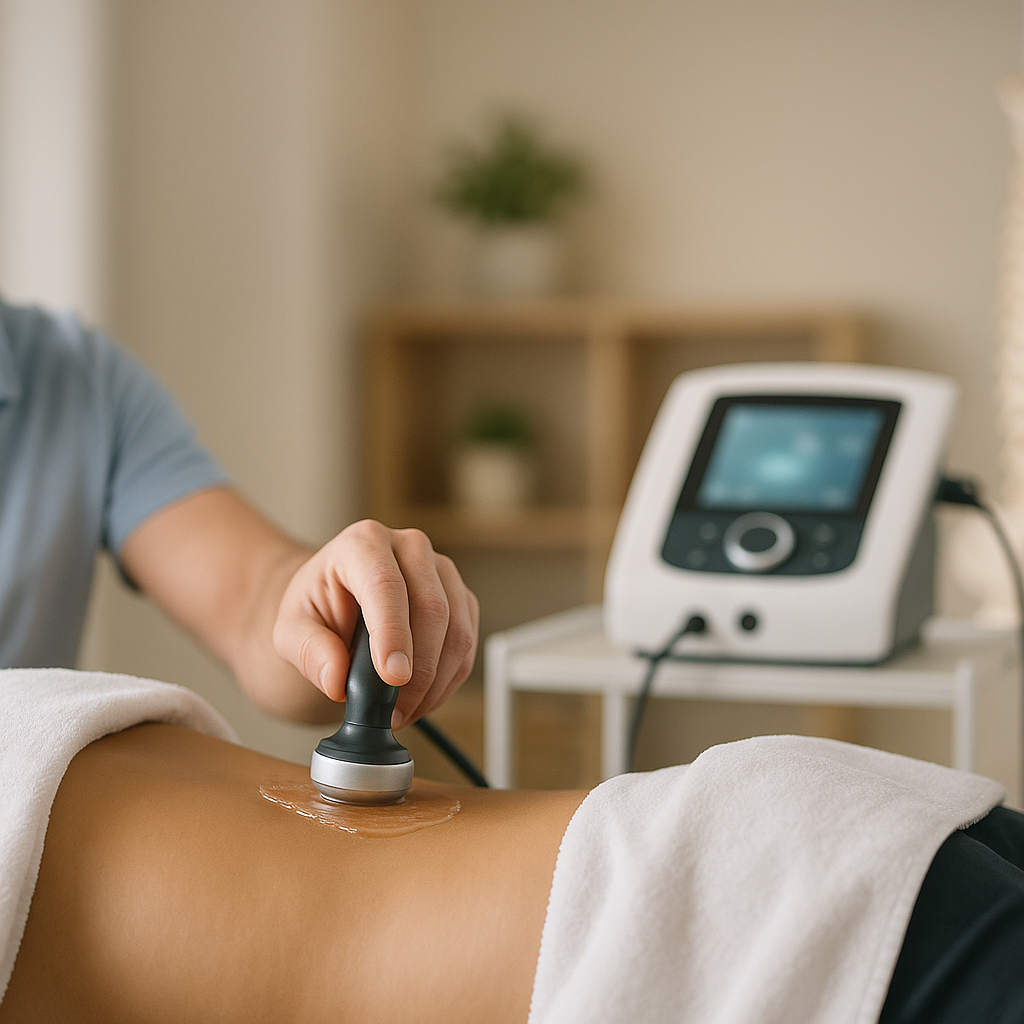
Understanding Ultrasound Therapy in Chiropractic Care
Ultrasound therapy has become one of the most widely used treatment modalities in modern chiropractic practice. While many people associate ultrasound with medical imaging, therapeutic ultrasound serves an entirely different purpose — it is used to promote healing, reduce pain, and improve tissue mobility. If your chiropractor has recommended this treatment, or if you are simply curious about what it involves, this article will walk you through everything you need to know.
What Is Therapeutic Ultrasound?
Therapeutic ultrasound is a form of sound wave therapy that delivers mechanical energy deep into the body’s soft tissues. Unlike diagnostic ultrasound, which creates images of internal structures, therapeutic ultrasound is designed specifically to treat musculoskeletal conditions. It operates at frequencies typically between 0.8 and 3 megahertz (MHz), producing sound waves that are far beyond the range of human hearing.
Chiropractors use a small handheld device called a transducer, which is applied to the skin with the aid of a conductive gel. As the transducer glides over the target area, the sound waves penetrate the skin and reach deeper layers of muscle, tendon, and ligament tissue. The treatment is generally painless and is often described by patients as a gentle, warm sensation.
How Does Chiropractic Ultrasound Treatment Work?
Chiropractic ultrasound treatment works through two primary mechanisms: thermal effects and non-thermal effects. Understanding both helps explain why this therapy is so effective for a wide range of musculoskeletal complaints.
Thermal Effects — Deep Heat Ultrasound
When ultrasound waves are applied continuously, they generate heat within the soft tissues. This is commonly referred to as deep heat ultrasound. The thermal effect increases the temperature of tissues located several centimetres beneath the skin’s surface — areas that traditional heat packs and heating pads simply cannot reach effectively.
The benefits of this deep heating effect include:
- Increased blood flow and circulation to the affected area
- Reduced muscle spasm and tension
- Improved flexibility and extensibility of connective tissue
- Enhanced metabolic activity within the tissues
- Greater tissue elasticity, which improves response to stretching and manipulation
This warming action is particularly beneficial when applied before spinal adjustments or stretching exercises, as it prepares the tissues to respond more effectively to treatment.
Non-Thermal Effects — Mechanical Action
When ultrasound is delivered in a pulsed mode rather than continuously, its effects are primarily mechanical rather than thermal. This mode is especially valuable for more acute injuries where heat application would be inappropriate.
The non-thermal effects occur through a process known as acoustic cavitation — the formation and oscillation of microscopic gas bubbles within the tissue fluids. This mechanical activity stimulates cellular membranes, promotes the movement of fluids across cell walls, and activates cellular repair processes. The result is accelerated tissue recovery at a biological level.
The Role of Ultrasound in Tissue Healing
Ultrasound tissue healing is one of the most compelling reasons chiropractors incorporate this technology into their treatment plans. Research suggests that therapeutic ultrasound can positively influence each of the three major phases of soft tissue healing:
- Inflammatory Phase: Ultrasound may help modulate the initial inflammatory response, preventing excessive swelling while still supporting the necessary biological signals that initiate healing.
- Proliferative Phase: During this phase, the body begins building new tissue. Ultrasound stimulates fibroblast activity — the cells responsible for producing collagen — which forms the structural foundation of repaired tissue.
- Remodelling Phase: As the tissue matures, ultrasound helps improve the alignment and organisation of newly formed collagen fibres, reducing the likelihood of scar tissue formation and restoring functional strength to the area.
This influence across all three stages of tissue repair makes therapeutic ultrasound a genuinely versatile tool in a chiropractor’s clinical arsenal.
Common Conditions Treated with Ultrasound Therapy
Chiropractors employ therapeutic ultrasound to address a broad spectrum of musculoskeletal conditions. Some of the most common applications include:
- Neck and back pain: Particularly when associated with muscle tightness, spasm, or soft tissue injury
- Shoulder injuries: Including rotator cuff strains, tendinopathy, and frozen shoulder (adhesive capsulitis)
- Tennis elbow and golfer’s elbow: Lateral and medial epicondylitis involving tendon inflammation
- Carpal tunnel syndrome: To reduce inflammation and improve nerve conduction in the wrist
- Hip and knee conditions: Including bursitis and ligament strains
- Plantar fasciitis: A common and often stubborn source of heel pain
- Muscle strains and sprains: Across various areas of the body
In each of these cases, the goal of therapeutic ultrasound is not merely symptom relief, but genuine structural and biological improvement in the affected tissue.
What to Expect During a Session
For patients unfamiliar with chiropractic ultrasound treatment, knowing what to expect can help alleviate any concerns before their first session. The process is straightforward and well-tolerated by the vast majority of patients.













