
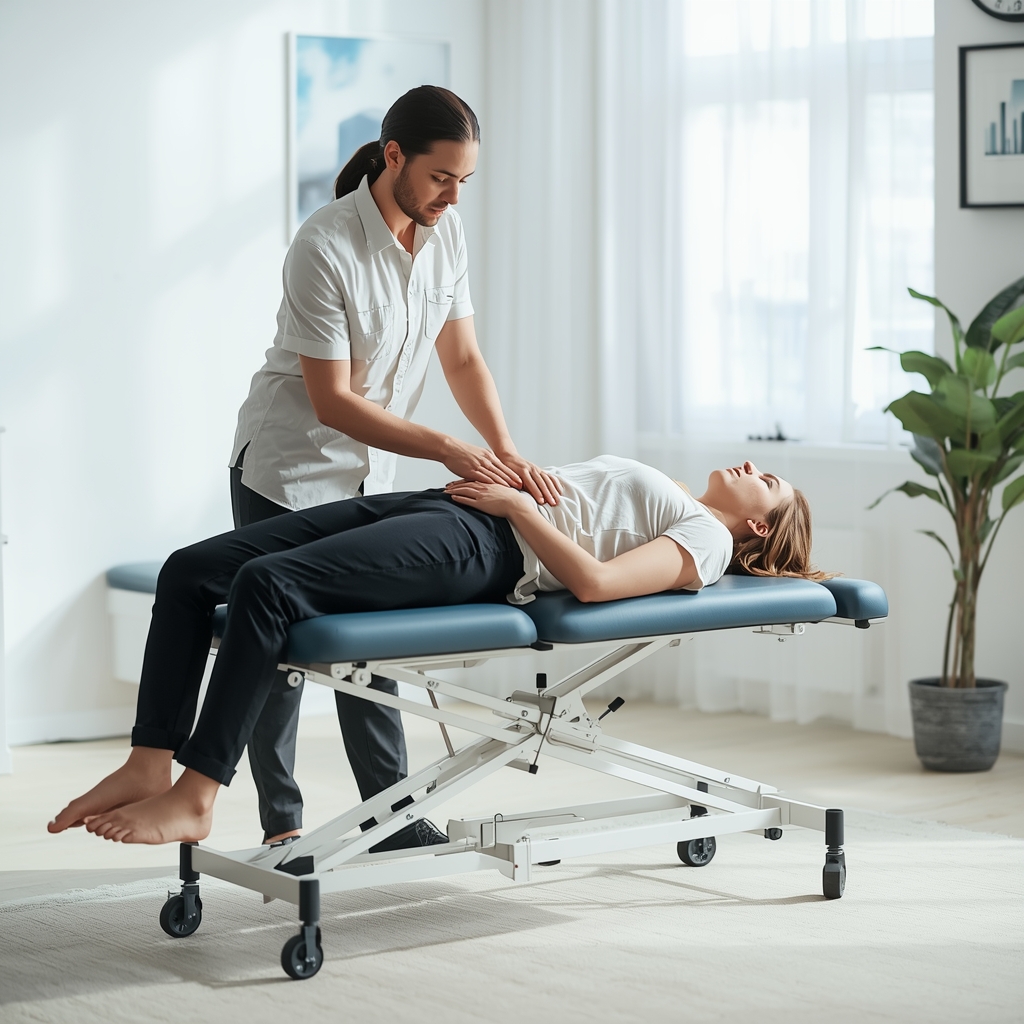
Introduction to Flexion-Distraction Tables
Flexion-distraction tables are specialized tools used in chiropractic care to gently decompress the cervical spine. These tables allow for controlled, rhythmic movements that create a distraction force on spinal joints, reducing pressure on nerves and discs. While the technique is commonly applied to the lumbar spine, it can also target the cervical region to address issues like nerve irritation, disc herniation, or facet joint dysfunction. Proper use requires understanding the equipment, patient positioning, and precise adjustments. Chiropractors often use this method as part of a broader treatment plan, emphasizing collaboration with patients to ensure safety and effectiveness. It is not a standalone solution but a complementary approach to spinal care.
Preparing the Patient and Equipment
Before initiating cervical spine mobilization, the chiropractor must ensure the flexion-distraction table is properly calibrated. The table’s mechanisms should be checked for smooth operation, and the patient’s comfort is prioritized. The patient is typically positioned supine (on their back) with their head supported by a padded cradle. The chiropractor then adjusts the table’s settings to control the degree of flexion and distraction. A thorough patient history is reviewed to identify contraindications, such as severe osteoporosis or spinal instability. The practitioner explains the procedure, addresses concerns, and confirms the patient’s readiness. This preparation phase is critical for establishing trust and ensuring the patient’s safety throughout the session.
Patient Positioning for Cervical Mobilization
Proper patient positioning is essential for effective cervical mobilization. The patient lies flat on the table with their head gently cradled in a padded support to maintain a neutral alignment. The chiropractor may adjust the table’s headrest to achieve slight flexion, which helps open spinal joints. The patient’s shoulders and upper back are secured with straps to prevent movement during the procedure. The chiropractor ensures the patient’s neck is not hyperextended or rotated, as this could increase strain. A pillow or roll may be placed under the occipital region to support the natural cervical curve. This positioning allows the table’s mechanical action to target specific areas while minimizing discomfort. The chiropractor continuously monitors the patient’s response to maintain optimal conditions.
Step-by-Step Mobilization Technique
The chiropractor initiates the mobilization by engaging the table’s flexion-distraction mechanism, creating a gentle, rhythmic motion that targets the cervical spine. The movement is typically slow and controlled, allowing the joints to gradually separate. The practitioner may adjust the table’s settings to vary the intensity based on the patient’s tolerance and condition. Throughout the process, the chiropractor observes the patient’s posture and comfort level, making real-time adjustments as needed. The session usually lasts 10–15 minutes, with the goal of reducing pressure on spinal structures and improving mobility. After the mechanical component, the chiropractor may perform manual techniques to complement the table’s action. This combined approach aims to enhance joint function and alleviate symptoms associated with cervical spine dysfunction.
Safety Considerations and Adjustments
Safety is paramount during cervical spine mobilization. The chiropractor must avoid excessive force or rapid movements that could strain the neck. Patients with conditions like cervical spondylolisthesis or severe arthritis may require modified techniques or alternative treatments. The practitioner regularly checks for signs of discomfort, such as increased pain or dizziness, and pauses or stops the procedure if needed. Communication with the patient is ongoing, ensuring they can report any unusual sensations. Adjustments to the table’s settings or positioning are made as necessary to maintain safety. The chiropractor also considers the patient’s medical history and current symptoms to tailor the session. These precautions help minimize risks and ensure the procedure remains beneficial and well-tolerated.
Conclusion and Follow-Up
Cervical spine mobilization using a flexion-distraction table is a specialized technique that requires expertise and careful execution. While it can provide relief for certain spinal conditions, it is not suitable for all patients. The chiropractor evaluates each individual’s needs and develops a personalized plan, often combining this method with other therapies. Patients are encouraged to discuss their experiences and any lingering symptoms with their provider. Follow-up appointments may be necessary to assess progress and adjust the treatment strategy. Open communication between the patient and chiropractor is key to achieving optimal outcomes. As with any chiropractic intervention, the focus remains on safety, comfort, and long-term spinal health.












