
Understanding the National Board of Chiropractic Examiners (NBCE)
For anyone pursuing a career in chiropractic medicine, the National Board of Chiropractic Examiners (NBCE) stands as one of the most critical milestones on the path to licensure. Whether you are a chiropractic student in your early years of training or a seasoned practitioner looking to expand your credentials, understanding what the NBCE is, what it does, and why it matters is absolutely essential. This organization plays a foundational role in shaping the standards of the chiropractic profession across the United States and beyond.
What Is the National Board of Chiropractic Examiners?
The National Board of Chiropractic Examiners is an independent, nonprofit testing agency established to develop and administer standardized examinations for chiropractic students and practitioners. Founded in 1963, the NBCE has served as the primary credentialing body responsible for evaluating the academic knowledge and clinical competency of individuals seeking to enter the chiropractic profession.
The organization operates with a clear mission: to protect the public by ensuring that chiropractic practitioners meet a nationally recognized standard of competence before they are granted licensure. The NBCE does not issue licenses directly — that responsibility lies with individual state licensing boards — but its examinations are widely accepted as a prerequisite for licensure in virtually every U.S. state and in several international jurisdictions.
The Role of NBCE Certification in Chiropractic Licensure
NBCE certification is not simply a formality. It represents a comprehensive evaluation of a candidate’s readiness to practice chiropractic medicine safely and effectively. Most state licensing boards require candidates to pass one or more NBCE exams before they can apply for a state license. In this way, the NBCE serves as the bridge between chiropractic education and professional practice.
The significance of NBCE certification extends beyond just meeting a legal requirement. Passing these exams demonstrates to employers, patients, and colleagues that a practitioner has met a rigorous, nationally standardized benchmark. It reflects a commitment to professional excellence that can meaningfully distinguish a chiropractor in a competitive healthcare environment.
Overview of the NBCE Exam Structure
The NBCE exam is not a single test but rather a series of examinations designed to assess different aspects of chiropractic knowledge and clinical skill. These are generally divided into four parts, often referred to as the chiropractic board exams, along with several specialty examinations. Here is a closer look at each component:
Part I: Basic Sciences
Part I of the chiropractic board exams focuses on the foundational sciences that underpin all healthcare practice. This includes subjects such as:
- General anatomy
- Spinal anatomy
- Physiology
- Chemistry
- Pathology
- Microbiology and public health
This section is typically completed during the first two years of chiropractic school and evaluates whether students have mastered the core scientific knowledge required to advance in their training.
Part II: Clinical Sciences
Part II shifts the focus toward clinical applications, testing students on their ability to apply basic science knowledge to patient care scenarios. The subjects covered in this portion include:
- General diagnosis
- Neuromusculoskeletal diagnosis
- Diagnostic imaging
- Principles of chiropractic
- Chiropractic practice
This exam is generally taken after students have completed the majority of their didactic coursework and are transitioning into clinical training.
Part III: Clinical Competency
Part III of the national chiropractic testing process evaluates clinical competency through a series of case-based questions. It is designed to assess a candidate’s ability to integrate knowledge and make sound clinical decisions. This portion of the exam is typically taken toward the end of chiropractic school, when students have accumulated substantial clinical experience.
Part IV: Practical Examination
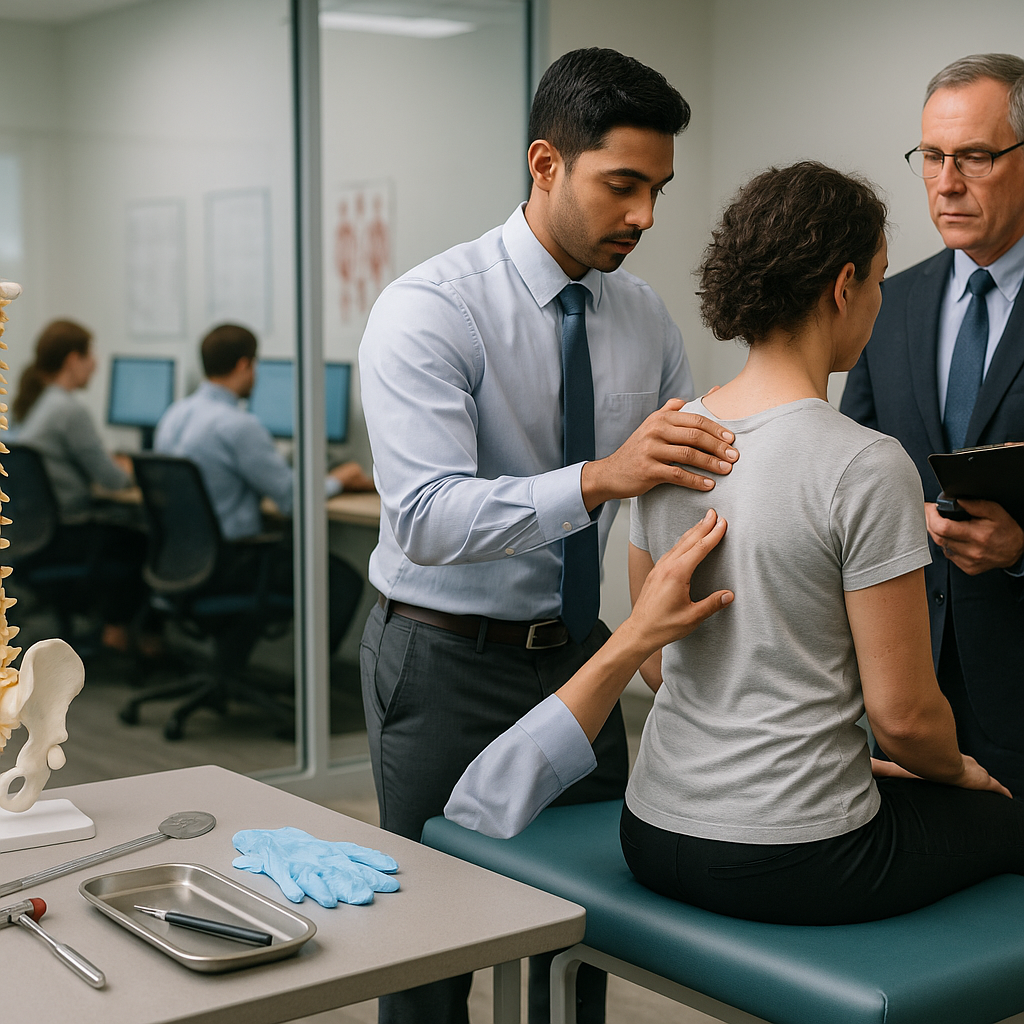
Part IV is unique in that it is a performance-based, hands-on examination. It evaluates a candidate’s ability to perform essential chiropractic skills in a simulated clinical setting. Areas assessed during this exam include:
- X-ray positioning and interpretation
- Physical examination skills
- Chiropractic technique proficiency
- Case management abilities
Because Part IV requires candidates to physically demonstrate their skills before trained examiners, it is considered one of the most demanding components of the entire NBCE examination process.
Specialty and Additional Examinations
Beyond the four primary parts, the NBCE also offers examinations in several specialty areas, including:
- Acupuncture
- Physiotherapy
- Chiropractic Standards of Practice
- Special Populations
These specialty exams allow practitioners to expand their scope of practice and demonstrate expertise in specific areas, often fulfilling state-specific licensure requirements.
Who Administers and Oversees the NBCE?
The NBCE is governed by a board of directors composed of both chiropractic professionals and public members who bring diverse perspectives to the organization’s leadership. This governance structure helps ensure that the examination processes remain fair, relevant, and aligned with evolving standards in healthcare. The organization is headquartered in Greeley, Colorado, and its operations are guided by a commitment to psychometric rigor, transparency, and continuous improvement.
Additional Resources
- NIH overview of spinal manipulation
- American Chiropractic Association patient resources
- CDC/NIOSH ergonomics resources
- What are the facts about chiropractic care and evidence-based medicine?
- What is functional medicine in chiropractic?
- What is the relationship between chiropractic and traditional medicine?














