
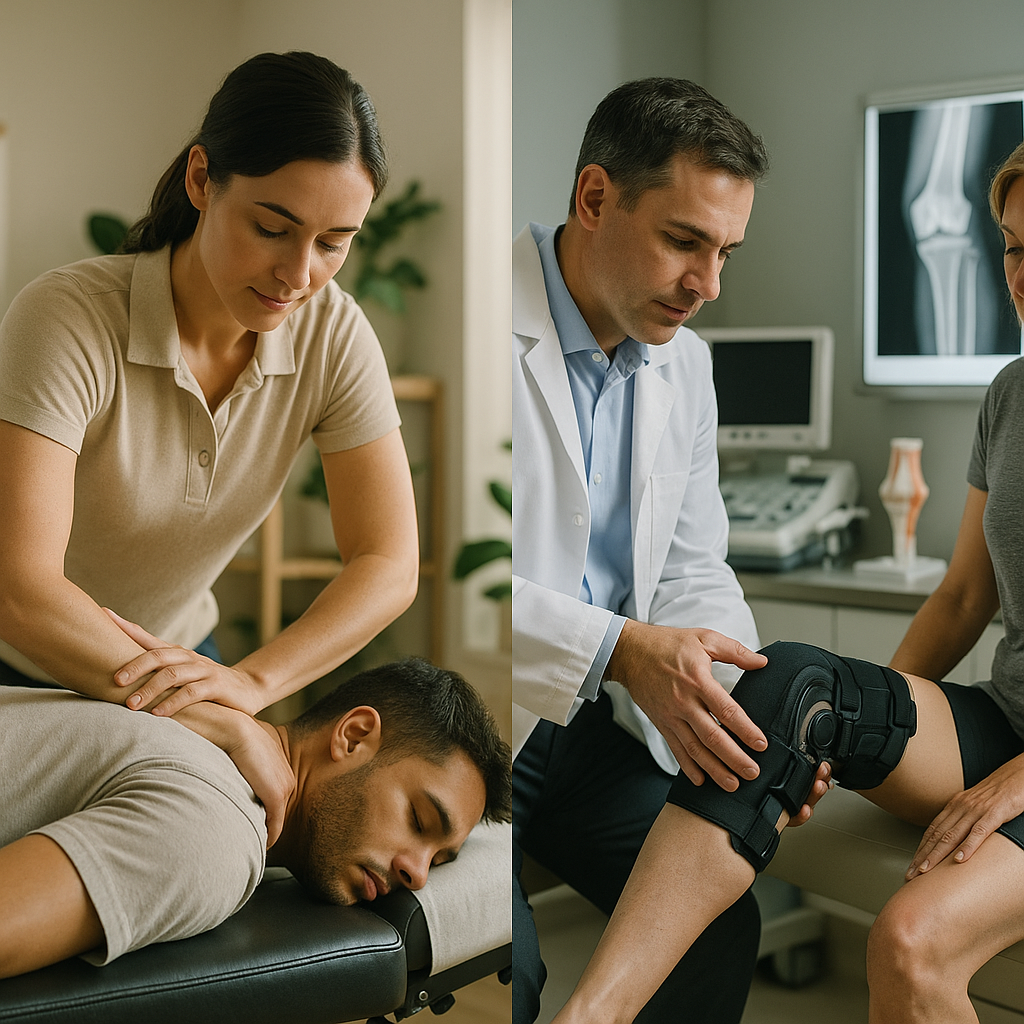
Understanding the Core Differences Between Chiropractic and Orthopedic Care
When you are dealing with back pain, joint discomfort, or a musculoskeletal injury, one of the first questions you may face is whether to see a chiropractor or an orthopedist. Both professionals treat conditions involving the muscles, bones, and joints, yet their approaches, philosophies, and scopes of practice differ significantly. Understanding the distinction between chiropractic vs orthopedic care can help you make a more informed decision about your health and recovery journey.
This article provides a thorough comparison of both disciplines, exploring their training, treatment methods, ideal use cases, and how they can sometimes work together to deliver the best outcomes for patients.
What Is Chiropractic Care?
Chiropractic care is a form of alternative and complementary medicine that focuses primarily on the diagnosis and treatment of neuromuscular disorders. Chiropractors believe that many health issues — particularly those involving pain — stem from misalignments in the spine, commonly referred to as subluxations. By correcting these misalignments through manual adjustments and spinal manipulation, chiropractors aim to restore proper nerve function and encourage the body’s natural ability to heal itself.
To practice, a chiropractor must earn a Doctor of Chiropractic (D.C.) degree, which typically involves four years of postgraduate study following an undergraduate education. Their training covers anatomy, physiology, nutrition, rehabilitative exercises, and hands-on clinical practice. However, chiropractors are not medical doctors and are not licensed to prescribe medications or perform surgery.
Common Conditions Treated by Chiropractors
- Lower back pain and chronic back discomfort
- Neck pain and cervical stiffness
- Tension headaches and migraines
- Sciatica and nerve-related leg pain
- Herniated or bulging discs (non-surgical cases)
- Sports injuries and muscle strains
- Postural imbalances and joint restrictions
- Shoulder, hip, and knee discomfort
Chiropractic Treatment Techniques
Chiropractors employ a variety of non-invasive techniques to address musculoskeletal complaints. These may include:
- Spinal manipulation and adjustment: The most recognized chiropractic technique, involving controlled force applied to specific joints to improve mobility and relieve pain.
- Soft tissue therapy: Massage, trigger point therapy, and myofascial release techniques to address muscle tension.
- Rehabilitative exercises: Customized stretching and strengthening programs to support spinal health.
- Electrical stimulation and ultrasound therapy: Used to reduce inflammation and promote tissue healing.
- Lifestyle and nutritional counseling: Guidance on posture, ergonomics, and overall wellness.
What Is Orthopedic Treatment?
Orthopedics is a branch of medicine dedicated to the diagnosis, treatment, prevention, and rehabilitation of disorders affecting the musculoskeletal system — including bones, joints, ligaments, tendons, muscles, and nerves. Orthopedic surgeons are fully licensed medical doctors (M.D. or D.O.) who complete extensive medical school training followed by a five-year orthopedic residency and, in many cases, an additional fellowship for sub-specialization.
What distinguishes orthopedic care most significantly is its broad scope of intervention. Orthopedists can prescribe medications, order imaging tests, administer injections, and perform surgical procedures when conservative treatments have failed or when a condition requires immediate surgical attention.
Common Conditions Treated by Orthopedic Specialists
- Fractures and complex bone injuries
- Arthritis and degenerative joint disease
- Torn ligaments, tendons, and cartilage (e.g., ACL tears, rotator cuff injuries)
- Spinal stenosis and advanced disc degeneration
- Scoliosis and spinal deformities
- Joint replacements (hip, knee, shoulder)
- Bone tumors and infections
- Congenital musculoskeletal conditions
Orthopedic Treatment Approaches
Orthopedic treatment encompasses a wide range of options, from conservative management to complex surgical interventions. Common approaches include:
- Medication management: Anti-inflammatory drugs, pain relievers, and corticosteroids to manage symptoms.
- Corticosteroid and hyaluronic acid injections: Targeted injections to reduce inflammation and improve joint lubrication.
- Physical therapy referrals: Structured rehabilitation programs to rebuild strength and restore function.
- Bracing and casting: Immobilization techniques for fractures and joint instability.
- Minimally invasive procedures: Arthroscopic surgeries to repair damaged tissues with reduced recovery time.
- Open surgical procedures: Joint replacements, spinal fusions, and reconstructive surgeries for severe conditions.
Chiropractic vs Orthopedic: A Side-by-Side Comparison
To better understand how these two disciplines compare, it helps to look at their key differences side by side.
Additional Resources
- NIH overview of spinal manipulation
- MedlinePlus back pain resources
- NINDS low back pain information
- What is the difference between a straight chiropractor and a mixer chiropractor?
- What is the difference between pain relief and correction in chiropractic?
- What is the timeline for chiropractic treatment after an injury?















