
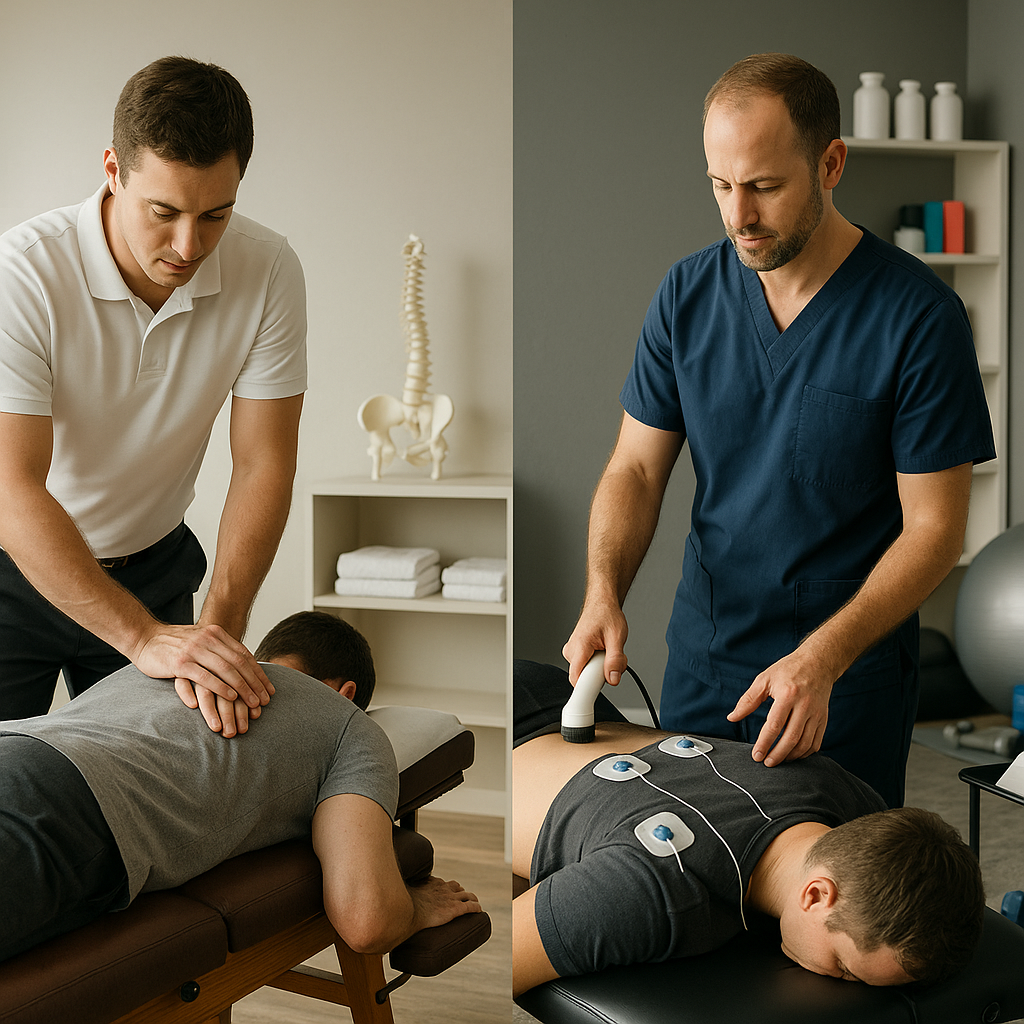
Understanding the Two Philosophies Behind Chiropractic Care
If you have ever searched for a chiropractor or spoken with someone who receives chiropractic treatment, you may have come across the terms “straight” and “mixer.” These labels represent two distinct approaches to chiropractic philosophy and practice, each with its own set of principles, techniques, and goals. Understanding the difference between a straight vs mixer chiropractor can help you make a more informed decision about the type of care that best aligns with your health needs and expectations.
Chiropractic care has been practiced for well over a century, and during that time, significant debate has emerged within the profession about its proper scope and direction. The distinction between straight and mixer chiropractors sits at the heart of that ongoing conversation, touching on fundamental questions about what chiropractic is, what it treats, and how it should be practiced.
The Origins of the Straight vs Mixer Chiropractor Debate
To fully appreciate the difference between these two practice styles, it helps to look briefly at the history of chiropractic medicine. The profession was founded in 1895 by Daniel David Palmer, who believed that misalignments of the spine — which he called “subluxations” — were the root cause of most human disease. Palmer taught that by correcting these subluxations through manual adjustments, the body’s innate intelligence could restore itself to optimal health without the need for drugs or surgery.
Palmer’s son, Bartlett Joshua (B.J.) Palmer, later expanded the profession and introduced more systematic training and techniques. However, disagreements quickly arose between those who adhered strictly to the original philosophy and those who wished to incorporate broader treatment methods. This tension gave rise to the terms “straight” and “mixer,” which have been used to categorize chiropractors ever since.
What Is a Straight Chiropractor?
A straight chiropractor is one who adheres closely to the traditional chiropractic philosophy as established by D.D. Palmer and later refined by B.J. Palmer. The defining characteristic of this practice style is an unwavering focus on the detection and correction of vertebral subluxations — spinal misalignments believed to interfere with the nervous system’s ability to function optimally.
Straight chiropractors operate under the belief that the body possesses an inherent healing intelligence and that their sole role is to remove neurological interference caused by subluxations. In doing so, they maintain that the body can then heal itself naturally across a wide range of conditions, not just musculoskeletal complaints.
Key Characteristics of Straight Chiropractic Practice
- Exclusive focus on spinal adjustments: Straight chiropractors typically perform spinal manipulations as their primary or only treatment method.
- Subluxation-centered care: The identification and correction of vertebral subluxations is the central goal of every patient encounter.
- Philosophical commitment to innate intelligence: Treatment is guided by the belief that the body has an inborn capacity to heal when neurological interference is removed.
- Avoidance of adjunctive therapies: Straight practitioners generally do not incorporate massage, ultrasound, nutrition counseling, or other supplementary treatments into their practice.
- Long-term wellness care: Many straight chiropractors advocate for ongoing maintenance adjustments, viewing subluxation correction as a lifelong health practice rather than a short-term remedy.
It is worth noting that within the category of straight chiropractic, there are further distinctions. “Super straights” or “objective straights” represent the most conservative end of the spectrum, holding strictly to the original subluxation-based model without making any disease-related claims. Other straights may be more open to discussing general health outcomes while still limiting their treatments to spinal adjustments.
What Is a Mixer Chiropractor?
A mixer chiropractor takes a broader, more integrative approach to patient care. While spinal adjustment may still be a cornerstone of treatment, mixer chiropractors blend chiropractic techniques with a variety of other therapeutic modalities. The term “mixer” originally carried a somewhat critical connotation among traditionalists, implying that these practitioners were diluting the purity of chiropractic by “mixing” it with other disciplines. Today, however, the majority of practicing chiropractors fall into this category.
Mixer chiropractors tend to view their role through a broader wellness and rehabilitation lens. They are more likely to address not only the spine but also the extremities, soft tissues, and lifestyle factors. Their practice is often more closely aligned with conventional healthcare, and they may collaborate with medical doctors, physical therapists, and other health professionals.
Key Characteristics of Mixer Chiropractic Practice
- Multimodal treatment approaches: Mixer chiropractors routinely incorporate therapeutic techniques such as massage therapy, myofascial release, ultrasound therapy, electrical stimulation, and cold laser therapy.
- Broader scope of treatment: In addition to the spine, mixers frequently treat peripheral joints, including the knees, hips, shoulders, wrists, and ankles.
- Lifestyle and nutritional counseling: Many mixer practitioners provide guidance on exercise, diet, ergonomics, and general wellness as part of their care plans.
- Rehabilitation-focused: Mixer chiropractors often include rehabilitative exercises and functional movement assessments to support long-term recovery.
- Evidence-based orientation: Many mixers seek to align their practice with current clinical research and evidence-based guidelines, making them more willing to adapt their methods as new data emerges.
- Interdisciplinary collaboration: Mixer chiropractors are generally more inclined to refer patients to other healthcare providers and to work within integrated healthcare teams.
Additional Resources
- NIH overview of spinal manipulation
- American Chiropractic Association patient resources
- CDC/NIOSH ergonomics resources
- What is the difference between chiropractic and orthopedic treatment?
- What is the philosophy behind chiropractic treatment?
- What is the difference between pain relief and correction in chiropractic?














