
Understanding Spondylolisthesis and How Chiropractic Care Can Help
Spondylolisthesis is a spinal condition in which one vertebra slips forward or backward over the vertebra below it. This vertebral slippage can cause significant discomfort, nerve compression, and reduced mobility, making everyday activities increasingly difficult. While surgical intervention is sometimes considered, many patients are finding meaningful relief through conservative, non-invasive approaches — particularly chiropractic care.
If you have been diagnosed with this condition and are wondering whether seeing a spondylolisthesis chiropractor is the right step, this article will walk you through what the condition involves, how chiropractic treatment works, and what you can realistically expect from your care plan.
What Exactly Is Spondylolisthesis?
The term “spondylolisthesis” is derived from the Greek words spondylos (vertebra) and olisthesis (to slip or slide). In simple terms, it refers to a condition where one of the bones in your spine shifts out of its normal position relative to the bone beneath it.
This slippage can occur anywhere along the spine, though it most commonly affects the lower lumbar region — particularly between the fourth and fifth lumbar vertebrae (L4-L5) or between the fifth lumbar vertebra and the sacrum (L5-S1). The severity of the condition is classified into grades based on how far the vertebra has slipped:
- Grade I: Less than 25% slippage
- Grade II: 25% to 50% slippage
- Grade III: 50% to 75% slippage
- Grade IV: Greater than 75% slippage
- Grade V (Spondyloptosis): Complete displacement of the vertebra
Chiropractic care is most commonly recommended for Grade I and Grade II cases, where the slippage is mild to moderate and has not yet led to severe neurological compromise.
Common Causes and Symptoms
Spondylolisthesis can develop due to a variety of factors, and understanding the underlying cause is an essential part of developing an effective spondylolisthesis care plan. The most frequently identified causes include:
- Degenerative changes: Age-related wear and tear on the spinal discs and joints
- Congenital defects: Abnormal vertebral development from birth
- Isthmic causes: A stress fracture in a specific part of the vertebra called the pars interarticularis
- Traumatic injury: Acute fractures resulting from falls or accidents
- Pathological causes: Bone diseases such as osteoporosis or tumors
Regardless of the cause, patients commonly report symptoms that include:
- Lower back pain that worsens with activity
- Stiffness and reduced range of motion
- Pain, numbness, or tingling radiating down the legs (sciatica)
- Muscle tightness or spasms in the hamstrings
- Difficulty standing or walking for extended periods
- A visible curve or “step” in the spine in more advanced cases
The Role of a Spondylolisthesis Chiropractor
A qualified chiropractor with experience in spinal conditions plays a pivotal role in managing spondylolisthesis without surgery. The primary goal of slipped vertebra chiropractic care is not to forcibly push the vertebra back into place — which could actually be harmful — but rather to reduce pain, restore functional movement, decompress affected nerves, and support the surrounding musculature so the spine can maintain better alignment naturally.
Before beginning any treatment, a thorough assessment is conducted. This typically includes a review of your medical history, a physical and neurological examination, and a detailed analysis of imaging studies such as X-rays or MRI scans. These steps allow the chiropractor to determine the grade of slippage, identify any nerve involvement, and design a treatment plan that is safe and appropriate for your specific presentation.
Key Chiropractic Techniques Used for Vertebral Slippage Treatment
Chiropractic treatment for spondylolisthesis is not a one-size-fits-all approach. Skilled practitioners carefully select techniques based on the individual patient’s condition, age, overall health, and tolerance. The following are among the most commonly employed methods in vertebral slippage treatment:
1. Spinal Manipulation (Adjustments)
Contrary to what some may assume, chiropractic adjustments for spondylolisthesis are performed with great caution and precision. High-velocity, forceful thrusts are generally avoided in this condition. Instead, low-force, gentle mobilization techniques are used to improve joint function, relieve stiffness, and reduce nerve irritation without placing undue stress on the unstable segment.
2. Flexion-Distraction Technique
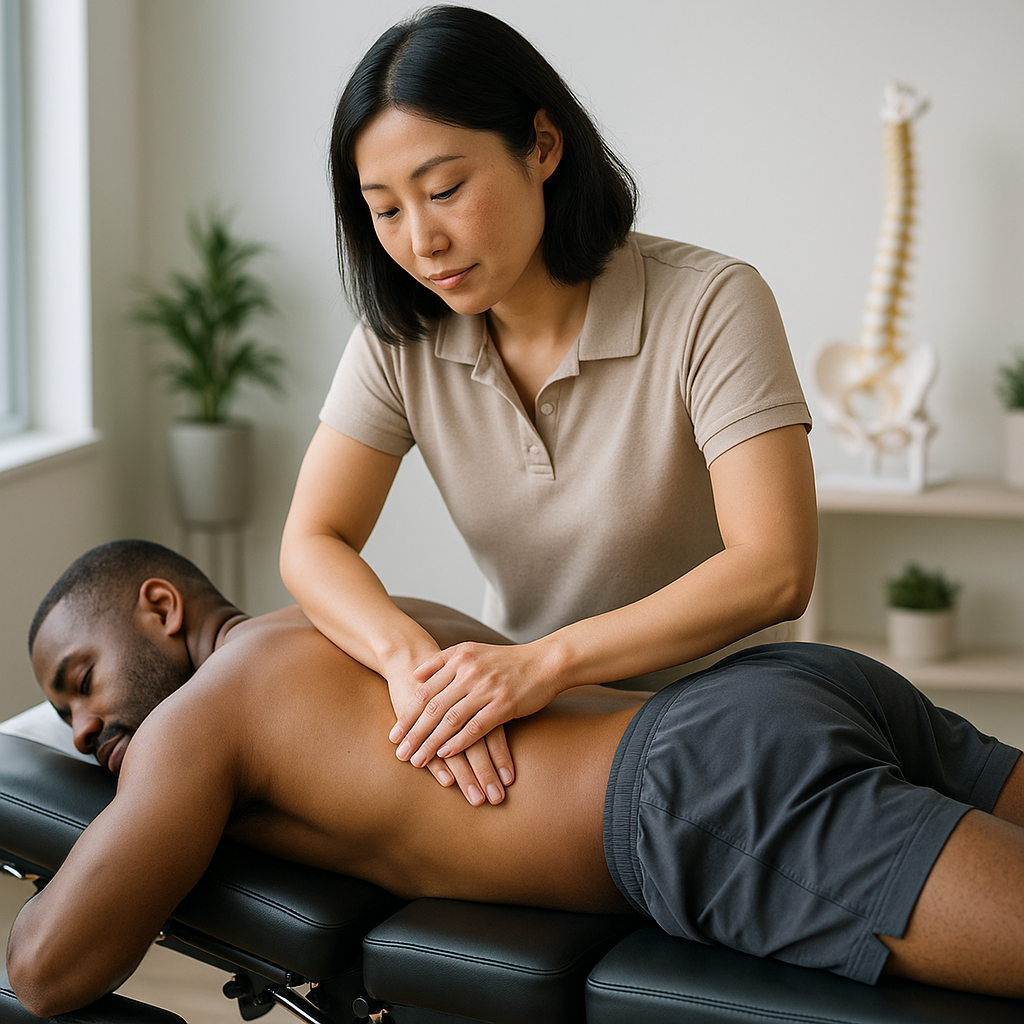
This is one of the most widely used and well-regarded approaches for lumbar spine conditions, including spondylolisthesis. The patient lies face down on a specially designed table that allows the chiropractor to gently stretch and decompress the spine using rhythmic, pumping motions. This technique helps reduce disc pressure, improve spinal flexibility, and alleviate radiating leg pain associated with nerve compression.












