
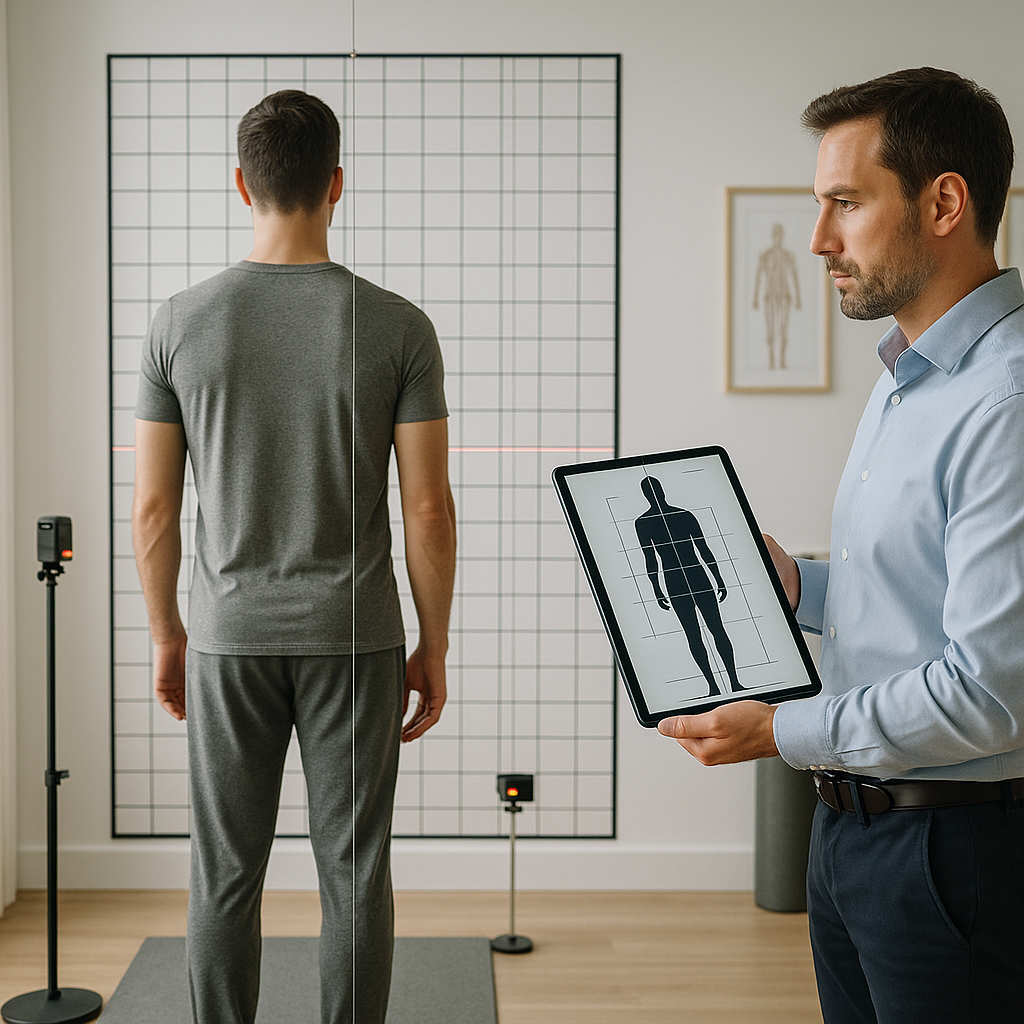
Understanding Postural Analysis in Chiropractic Care
Posture is far more than simply how a person sits or stands. It reflects the cumulative result of habits, injuries, muscle imbalances, and neurological patterns developed over a lifetime. In chiropractic practice, postural analysis serves as a foundational diagnostic tool that helps clinicians understand the root causes of musculoskeletal dysfunction, pain, and imbalance. By evaluating how the body aligns itself in space, chiropractors can design targeted treatment plans that address the source of discomfort rather than merely managing symptoms.
What Is Postural Analysis?
Postural analysis, also referred to as posture assessment or postural screening, is a systematic clinical process used to evaluate the alignment, symmetry, and balance of the human body. During this evaluation, a chiropractor examines the positioning of the head, shoulders, spine, hips, knees, and feet from multiple angles — typically the front, back, and sides.
The goal is to identify deviations from what is considered optimal or neutral posture. These deviations may indicate underlying joint restrictions, muscular imbalances, or structural abnormalities that could be contributing to pain, reduced mobility, or long-term degenerative changes in the spine and joints.
A thorough chiropractic posture evaluation goes beyond a simple visual inspection. It incorporates a combination of observational techniques, physical measurements, and, in many modern practices, advanced technology to deliver a comprehensive picture of a patient’s postural health.
Why Is Postural Evaluation Important in Chiropractic?
The spine is the central pillar of the body’s structural framework. When postural imbalances are present, they can place uneven mechanical stress on the vertebrae, discs, nerves, and surrounding soft tissues. Over time, this stress may lead to a wide range of conditions, including:
- Chronic neck and back pain
- Tension headaches and migraines
- Sciatica and radiating nerve pain
- Shoulder and hip misalignment
- Degenerative disc disease
- Reduced lung capacity due to forward head posture
- Fatigue and reduced athletic performance
By identifying these postural issues early, chiropractors can intervene before minor imbalances progress into significant structural problems. Postural screening also allows clinicians to monitor the effectiveness of treatment over time, providing objective data to track improvement and adjust care plans accordingly.
How Is a Chiropractic Posture Evaluation Conducted?
A comprehensive posture assessment in a chiropractic setting typically involves several distinct steps. Each stage contributes to building a complete clinical picture of how the patient’s body is functioning and where imbalances may exist.
1. Patient History and Lifestyle Review
Before any physical examination begins, the chiropractor will conduct a thorough intake review. This includes discussing the patient’s occupation, daily habits, recreational activities, previous injuries, and any existing health conditions. Understanding a person’s lifestyle is essential because factors such as prolonged desk work, heavy lifting, or sedentary behaviour often contribute directly to postural distortions.
2. Visual Observation and Static Postural Analysis
The initial hands-on component of posture assessment involves observing the patient in a standing position from multiple viewpoints. The chiropractor looks for visible signs of misalignment, such as:
- Head tilting forward or to one side
- Uneven shoulder heights
- Spinal curvature abnormalities (such as scoliosis, hyperlordosis, or kyphosis)
- Pelvic tilting or rotation
- Knee valgus or varus positioning
- Flat feet or excessive foot pronation
This static postural screening provides a baseline understanding of how the patient holds their body when at rest, which is often where postural habits are most clearly revealed.
3. Dynamic Movement Assessment
In addition to static evaluation, many chiropractors assess posture during movement. Observing how a patient walks, bends, or performs functional tasks reveals compensatory movement patterns that static observation alone may not capture. Dynamic postural analysis helps identify asymmetries in gait, restrictions in spinal mobility, and areas where the body is compensating for weakness or instability.
4. Palpation and Physical Examination
Hands-on palpation allows the chiropractor to assess the tension, tenderness, and mobility of muscles, joints, and soft tissues throughout the spine and extremities. This tactile evaluation complements the visual postural assessment by providing information about how underlying structures are responding to postural stress.
5. Digital Posture Analysis
Many contemporary chiropractic practices now incorporate digital posture analysis technology into their clinical workflow. This approach uses specialised software and imaging tools to produce precise, measurable data about a patient’s postural alignment. Photographs or video footage are taken of the patient from multiple angles, and the software overlays grid lines and markers to quantify deviations in alignment with a high degree of accuracy.
Digital posture analysis offers several distinct advantages over purely observational methods:
- Objective measurements: Rather than relying solely on clinical judgment, digital tools provide quantifiable data that reduces subjectivity.
- Patient education: Visual reports are highly effective in helping patients understand their own postural issues, which can improve compliance with treatment and home exercise programmes.
- Progress tracking: Before-and-after comparisons allow both the clinician and patient to observe measurable improvements over the course of care.
Additional Resources














