
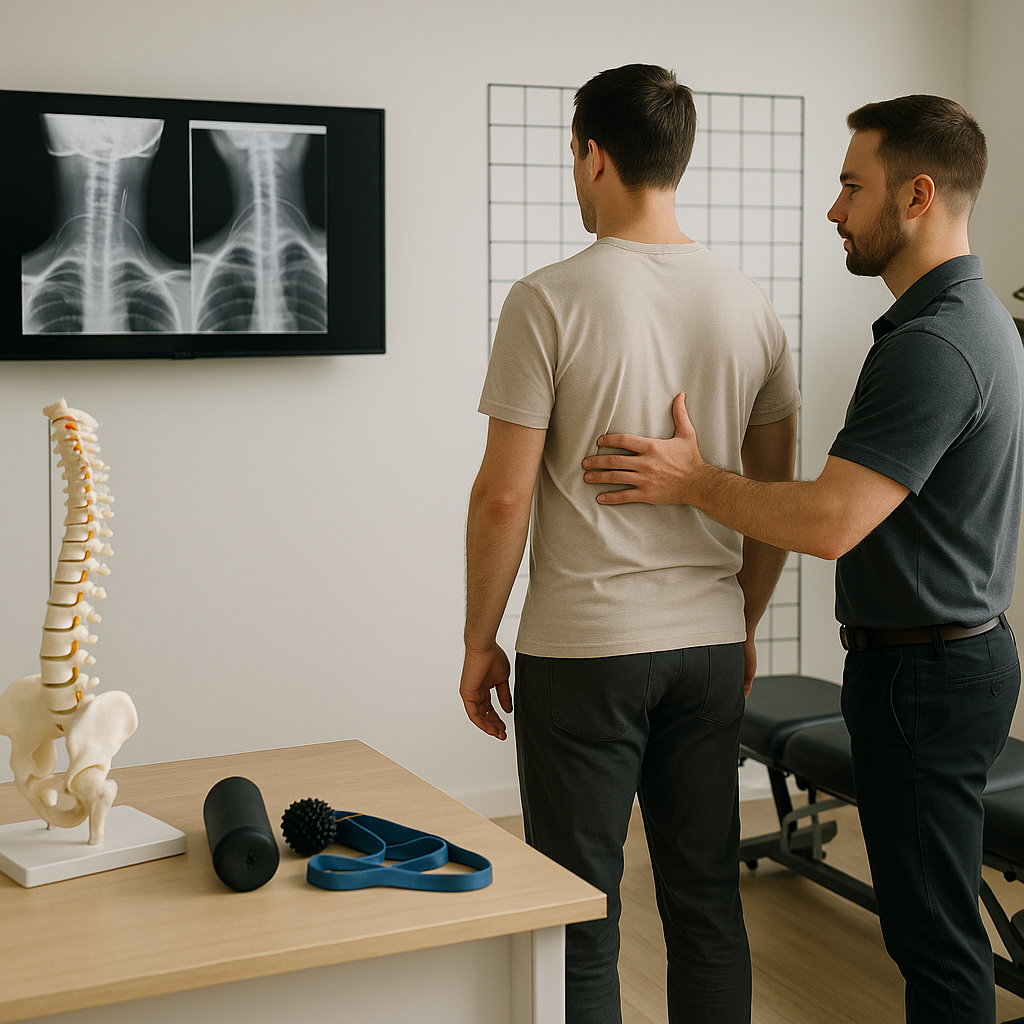
Understanding Corrective Care in Chiropractic Practice
When most people think of chiropractic care, they imagine visiting a clinic for relief from back pain or neck stiffness. While symptom relief is certainly one aspect of what chiropractors provide, there is a deeper, more comprehensive level of treatment known as corrective care. This approach goes beyond simply masking discomfort — it targets the underlying structural and postural issues that are often responsible for recurring pain and diminished physical function.
Understanding what corrective care involves, how it differs from other chiropractic phases, and who stands to benefit most from it can help patients make more informed decisions about their long-term spinal health.
What Is the Chiropractic Corrective Phase?
The chiropractic corrective phase is a structured, goal-oriented stage of treatment designed to address the root causes of spinal dysfunction rather than providing temporary symptomatic relief. It typically follows an initial relief or acute care phase, during which the primary objective is to reduce pain and inflammation.
Once a patient’s immediate discomfort has been managed, the corrective phase begins. At this stage, the chiropractor works to retrain the spine, surrounding musculature, and connective tissues to hold proper alignment over time. This requires a consistent and progressive treatment protocol, often spanning several weeks or months depending on the severity of the spinal issue.
The corrective phase is not a one-size-fits-all approach. Each patient receives an individualised plan based on their specific spinal findings, postural assessment results, and lifestyle factors. The overall aim is lasting improvement — not just feeling better temporarily, but achieving measurable changes in spinal structure and function.
How Spinal Correction Treatment Works
Spinal correction treatment during the corrective phase employs a combination of targeted chiropractic adjustments, rehabilitative exercises, and postural retraining strategies. Together, these components work to gradually shift the spine back toward its optimal alignment.
A typical corrective care programme may include the following elements:
- Specific chiropractic adjustments: These are precise, controlled movements applied to vertebral segments that are misaligned or moving improperly. The goal is to restore normal motion, reduce nerve interference, and encourage the spine to adopt healthier positioning over time.
- Spinal traction and decompression: Techniques such as cervical or lumbar traction help to reshape spinal curves, relieve disc pressure, and gradually lengthen compressed spinal structures.
- Rehabilitative exercises: Prescribed stretches and strengthening movements support the adjustments made in the clinic by improving muscle balance and joint stability outside of treatment sessions.
- Postural retraining: Patients learn how to carry themselves correctly during daily activities, at work, and during exercise to reinforce the corrections being made during treatment.
- Soft tissue therapy: Massage, myofascial release, or other manual techniques may be incorporated to address muscle tension and fascial restrictions that contribute to poor posture and spinal misalignment.
Progress is regularly reassessed through physical examinations, postural analysis, and in some cases, follow-up imaging. These evaluations allow the chiropractor to adjust the treatment plan as needed and provide tangible evidence of improvement.
What Is Structural Chiropractic Care?
Structural chiropractic care is closely related to corrective care and is sometimes used interchangeably with the term. It focuses specifically on identifying and correcting deviations from what is considered normal spinal structure. These deviations — often referred to as structural shifts — can place abnormal stress on the nervous system, spinal discs, joints, and surrounding tissues.
Structural chiropractors typically begin with a thorough assessment that may include full-spine X-rays, digital postural analysis, and detailed physical evaluation. This allows them to map out precisely where structural abnormalities exist and develop a corrective strategy accordingly.
Common structural issues addressed through this type of care include:
- Loss of normal cervical lordosis (forward head posture or “military neck”)
- Excessive thoracic kyphosis (rounded upper back)
- Abnormal lumbar curvature, including hypolordosis or hyperlordosis
- Scoliotic curves or lateral spinal deviations
- Pelvic imbalances and leg length discrepancies
By restoring these curves and correcting these imbalances, structural chiropractic care aims to reduce the burden placed on the nervous system and improve the body’s ability to function at its highest capacity.
The Postural Correction Plan: A Personalised Roadmap
At the heart of corrective chiropractic care is a well-designed postural correction plan. This serves as the patient’s roadmap throughout the corrective phase, outlining specific treatment objectives, expected timelines, and measurable milestones.
A comprehensive postural correction plan is built on an understanding of how the patient’s spine currently compares to ideal structural norms. From there, the chiropractor establishes realistic goals and selects the most appropriate therapeutic interventions to achieve them.
Key components of an effective postural correction plan include:
- Baseline assessment: Establishing a clear picture of the patient’s current posture and spinal alignment before treatment begins.
- Goal setting: Defining specific, measurable outcomes such as improved spinal curvature angles, reduced forward head posture, or enhanced range of motion.
- Treatment schedule: Outlining the frequency and duration of clinic visits required to achieve the stated goals.
Additional Resources
- NIH overview of spinal manipulation
- MedlinePlus back pain resources
- NINDS low back pain information
- What is the risk of chiropractic treatment for people with osteoporosis?
- What are the most common outcomes of chiropractic treatment?
- What is the difference between pain relief and correction in chiropractic?














