
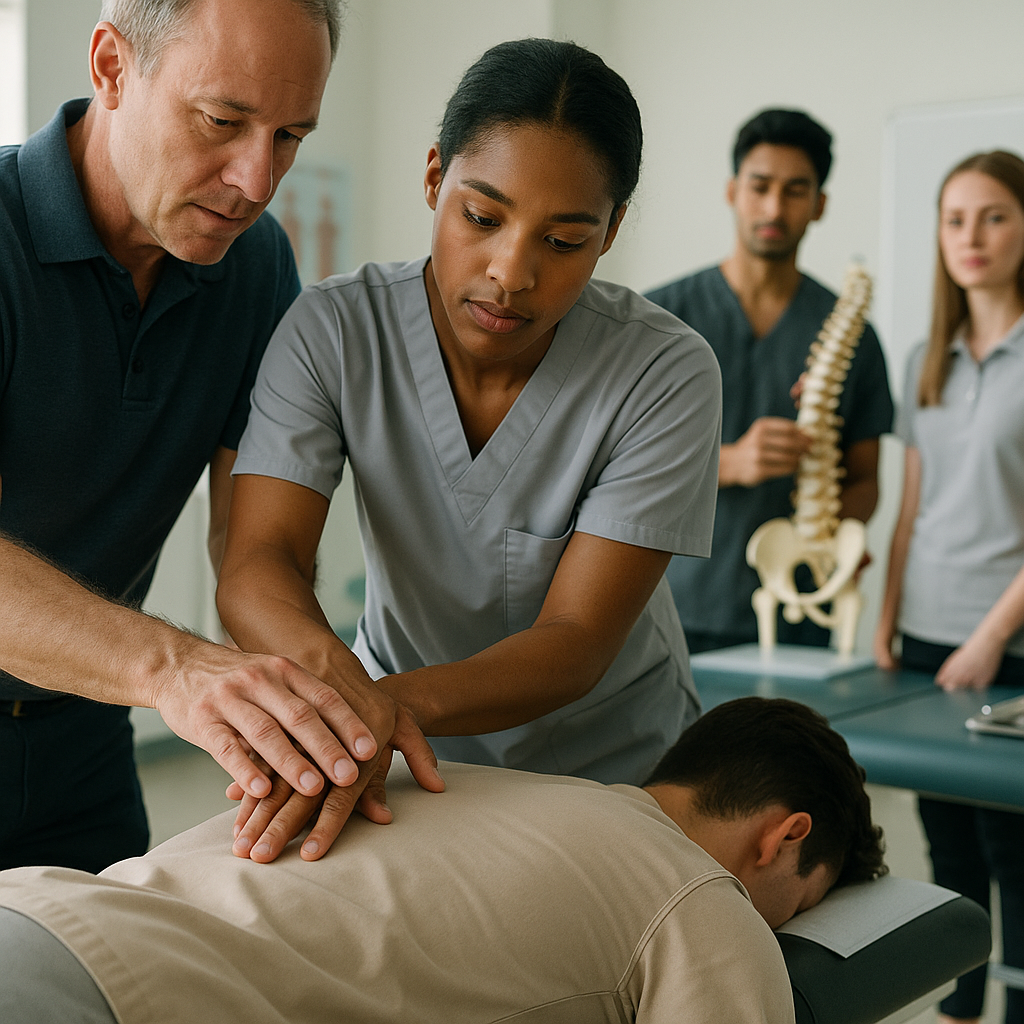
An Inside Look at the Chiropractic College Experience
Choosing to pursue a Doctor of Chiropractic (DC) degree is a significant commitment — one that demands intellectual rigor, clinical dedication, and personal resilience. For many prospective students, the journey into chiropractic school begins with a fundamental question: what is it actually like? Understanding the DC program curriculum, the day-to-day chiropractic student life, and the academic demands ahead can help you make a more informed decision about your future in healthcare.
Chiropractic school is both challenging and deeply rewarding. It blends the intensity of medical education with hands-on clinical training in a way that prepares graduates to become highly skilled, licensed practitioners. If you are considering this path, here is a comprehensive look at what to expect from the moment you step through the doors of a chiropractic college.
Admission Requirements and Getting Started
Before diving into chiropractic school classes, students must first meet the admission requirements set by their chosen institution. Most accredited chiropractic colleges in the United States require a minimum of 90 semester hours of undergraduate coursework, with a strong emphasis on sciences such as biology, chemistry, physics, and psychology.
A competitive GPA — typically 3.0 or higher — is often expected, along with letters of recommendation and, in some cases, documented hours of observation under a licensed chiropractor. This prerequisite experience is not just a formality; it gives applicants a realistic preview of the profession before committing to a demanding four-year program.
The DC Program Curriculum: Year by Year
The DC program curriculum is typically divided into trimester-based academic years, with most programs running approximately 3.5 to 4 years in total. The coursework is intensive and multidisciplinary, covering everything from basic sciences to clinical practice.
First Year: Building the Foundation
The first year of chiropractic school is largely focused on establishing a solid foundation in the basic sciences. Students spend significant time in the classroom and laboratory, studying subjects such as:
- Gross anatomy and cadaveric dissection
- Histology and cell biology
- Biochemistry and physiology
- Embryology and neuroanatomy
- Introduction to chiropractic philosophy and principles
Many students are surprised by the sheer volume of material covered in the first year. Anatomy alone requires the memorization of hundreds of structures, their functions, and their clinical relevance. The workload is demanding, but it builds a critical scientific understanding that underpins everything that follows.
Second Year: Clinical Sciences Begin
As students progress into their second year, the curriculum shifts toward clinical sciences and begins to bridge the gap between theory and practice. Common chiropractic school classes during this phase include:
- Pathology and microbiology
- Diagnostic imaging and radiology
- Physical examination techniques
- Chiropractic adjusting techniques (introduction)
- Orthopedics and neurology
- Clinical nutrition
This is often the year when students first begin performing adjustments on one another in a supervised laboratory setting. The tactile learning required to develop proper technique takes considerable time and repetition. Students must practice on classmates and mannequins, receiving detailed feedback from instructors along the way.
Third Year: Advanced Techniques and Diagnostic Training
By the third year, students are deepening their clinical knowledge and expanding their diagnostic capabilities. The curriculum becomes increasingly specialized, incorporating:
- Advanced chiropractic adjusting techniques (diversified, Gonstead, activator, etc.)
- Diagnostic imaging interpretation
- Soft tissue therapies and rehabilitation
- Pediatric and geriatric chiropractic care
- Sports chiropractic
- Research methods and evidence-based practice
Students also begin spending more structured time in campus clinics, where they observe licensed chiropractors treating real patients under faculty supervision. This early clinical exposure is essential for developing professional communication skills and patient management abilities.
Fourth Year: Clinical Internship and Board Preparation
The final year of the DC program is largely clinical in nature. Students transition into full-time internships at campus clinics, affiliate clinics, or community health centers, where they take on primary responsibility for patient care under the supervision of licensed faculty clinicians.
During this phase, students must demonstrate competency across a range of clinical skills including patient history-taking, physical examination, diagnosis, treatment planning, and documentation. They are also expected to complete a minimum number of patient visits and adjustments as part of their graduation requirements.
Simultaneously, students prepare intensively for the National Board of Chiropractic Examiners (NBCE) examinations, which are divided into multiple parts and must be passed to obtain licensure. Board preparation is a significant undertaking and requires consistent study throughout the final year.
Chiropractic School Classes: What to Expect in the Classroom
The classroom experience in chiropractic school is distinctly different from what most students encountered during their undergraduate studies. Lectures are dense, fast-paced, and cover material at a level of depth that demands active and consistent study habits.
Most chiropractic programs use a combination of:
- Traditional lecture-based instruction
- Problem-based learning (PBL) sessions
- Laboratory work, including cadaver dissection and technique labs
- Simulation exercises and case studies
- Small group discussions and clinical reasoning workshops
The integration of multiple teaching modalities helps students retain complex material and apply it across a variety of clinical contexts.














