
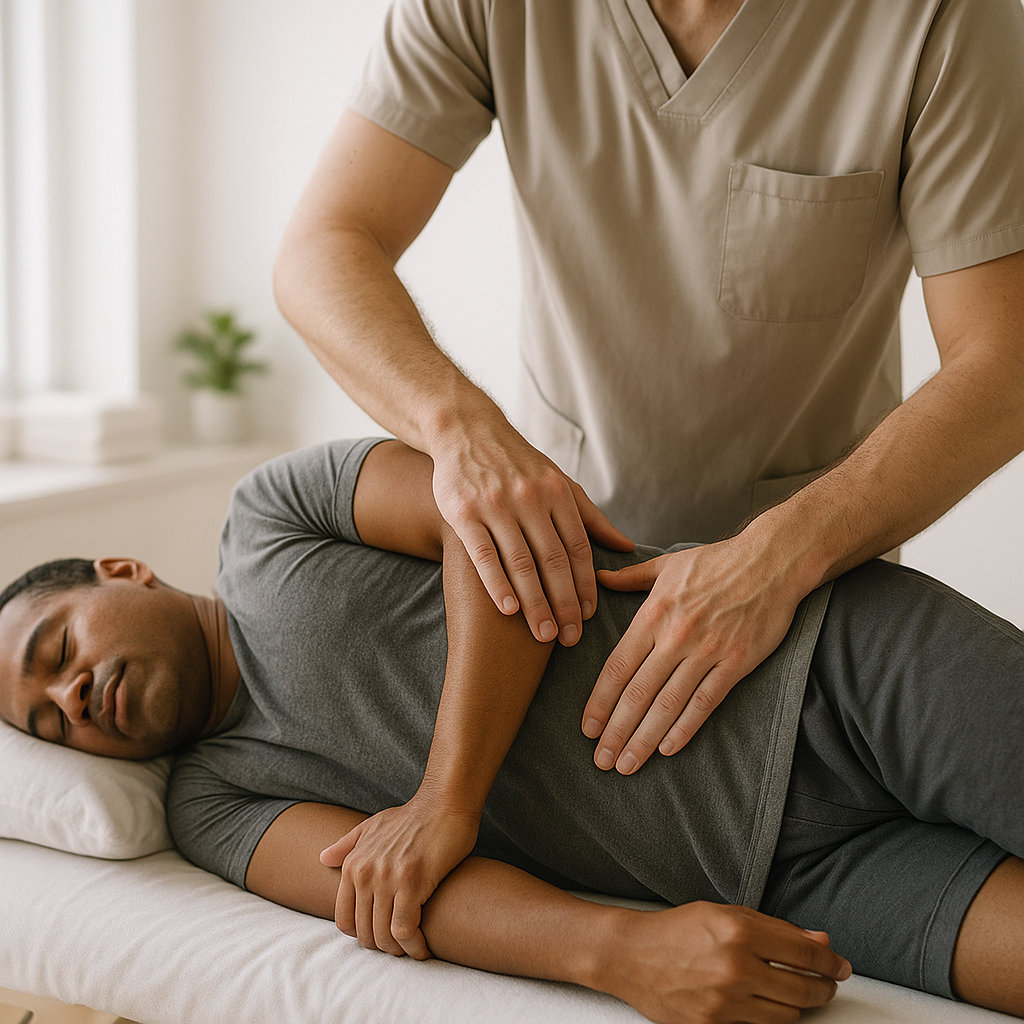
Understanding Chiropractic Mobilization: A Comprehensive Guide
When it comes to managing joint pain, stiffness, and musculoskeletal discomfort, chiropractic care offers a variety of treatment approaches tailored to each patient’s unique needs. One of the most widely used and highly effective methods is chiropractic mobilization. Unlike the more forceful adjustments that many people associate with chiropractic treatment, mobilization takes a gentler, more gradual approach to restoring movement and function to the joints of the body.
Whether you are new to chiropractic care or simply curious about what this specific technique involves, this guide will walk you through everything you need to know about chiropractic mobilization, how it works, who can benefit from it, and what you can expect during a session.
What Exactly Is Chiropractic Mobilization?
Chiropractic mobilization is a joint mobilization technique performed by a licensed chiropractor that involves the careful and deliberate movement of a joint through its natural range of motion. The goal is to improve joint flexibility, reduce pain, decrease muscle tension, and enhance overall function without the use of high-velocity thrusts.
This technique is classified as a form of passive joint mobilization, meaning the patient remains relaxed while the chiropractor applies controlled, rhythmic movements to the targeted joint. The patient does not actively participate in the movement itself, which allows the muscles and surrounding soft tissues to release tension more effectively.
Mobilization is typically categorized on a graded scale ranging from Grade I to Grade V, with the lower grades involving very small, gentle oscillations and the higher grades involving larger movements closer to the end of a joint’s range. Most chiropractic mobilization techniques fall within the lower to mid-range of this scale, emphasizing comfort and safety above all else.
How Does Low Velocity Mobilization Differ from Manipulation?
One of the most common questions patients ask is how mobilization differs from spinal manipulation or chiropractic adjustment. The distinction lies primarily in the speed and force of the movement applied.
Traditional chiropractic adjustments involve a high-velocity, low-amplitude thrust — a quick and precise movement designed to restore joint alignment and often producing the familiar “popping” or “cracking” sound. While this can be highly effective, it is not suitable for every patient or every condition.
Low velocity mobilization, by contrast, uses slow, smooth, and controlled movements without the characteristic thrust. There is no sudden force involved, and the technique is performed within a comfortable range that the patient can tolerate easily. This makes it an excellent alternative for individuals who may be anxious about traditional adjustments or who have conditions that make high-velocity techniques inadvisable.
Key differences between mobilization and manipulation include:
- Speed: Mobilization is slow and deliberate; manipulation involves a rapid thrust
- Force: Mobilization uses gentle, sustained pressure; manipulation applies a more forceful, controlled movement
- Sound: Mobilization typically does not produce the audible “pop” associated with adjustments
- Patient tolerance: Mobilization is generally more comfortable and less intimidating for most patients
- Applicability: Mobilization can be used in cases where manipulation may be contraindicated
The Science Behind Gentle Joint Movement
The therapeutic value of gentle joint movement is well-supported by research in the fields of musculoskeletal medicine and physical rehabilitation. When a joint becomes restricted due to injury, inflammation, poor posture, or prolonged immobility, the surrounding tissues begin to stiffen, and normal movement patterns are disrupted.
Chiropractic mobilization works by stimulating the mechanoreceptors — specialized sensory receptors located within the joint capsules, ligaments, and surrounding muscles. These receptors send signals to the nervous system that help modulate pain perception, reduce muscle guarding, and encourage the restoration of normal joint mechanics.
Additionally, mobilization promotes the production and circulation of synovial fluid within the joint. This natural lubricant plays a critical role in nourishing cartilage and maintaining smooth, pain-free movement. By encouraging fluid movement within the joint space, mobilization helps preserve and restore joint health over time.
Research has also demonstrated that joint mobilization can have a meaningful impact on reducing inflammation and improving blood flow to the affected area, which further accelerates the healing process.
Conditions That Benefit from Joint Mobilization Techniques
Chiropractic mobilization is a versatile treatment that can be applied to virtually any joint in the body, including the spine, hips, shoulders, knees, ankles, and wrists.
Additional Resources
- NIH overview of spinal manipulation
- American Chiropractic Association patient resources
- CDC/NIOSH ergonomics resources
- What is the chiropractic treatment for sacroiliac joint dysfunction?
- What is the patient intake process at a chiropractic office?
- What are the most common outcomes of chiropractic treatment?












