
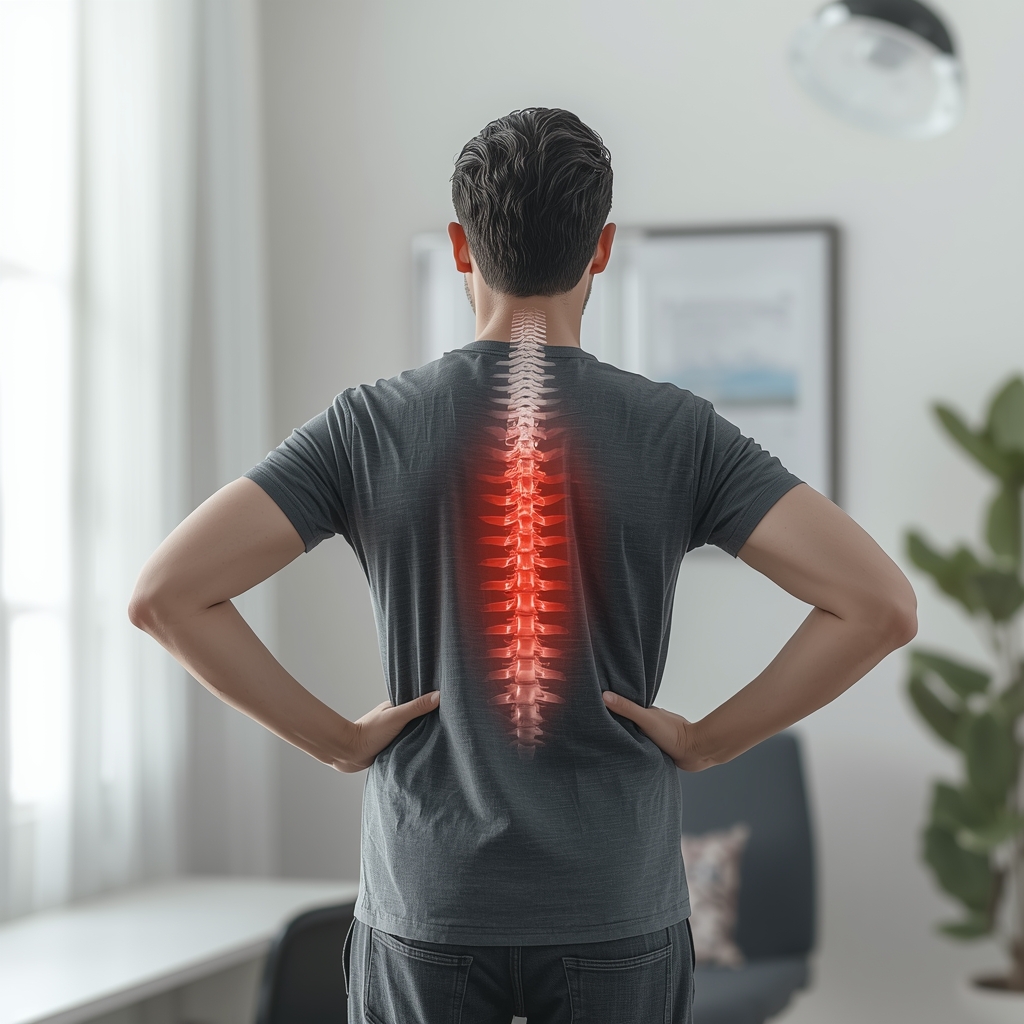
Understanding the Risk of Chronic Symptoms After Minor Auto Accidents
Even minor auto accidents can lead to long-term musculoskeletal issues if not addressed promptly. While visible injuries like bruises or cuts may heal quickly, hidden damage to the spine, muscles, and joints often goes unnoticed. These subtle injuries can develop into chronic pain, reduced mobility, or neurological symptoms over time. Immediate chiropractic care plays a critical role in identifying and treating these early signs. A chiropractor can assess for misalignments, soft tissue injuries, and nerve irritation that might otherwise be overlooked. By intervening soon after an accident, patients may significantly lower their risk of developing persistent discomfort. It’s important to remember that chronic symptoms often stem from untreated minor trauma, making timely care a key preventive measure. Consulting a chiropractor soon after an accident ensures that underlying issues are addressed before they escalate.
Spinal Adjustments to Restore Alignment and Function
One of the most common immediate interventions after a minor accident is spinal adjustment. These manual techniques aim to realign the vertebrae, reducing pressure on nerves and restoring proper biomechanics. Even minor collisions can cause subluxations—partial joint dislocations—that disrupt the nervous system’s communication with the body. Chiropractors use precise, controlled forces to correct these misalignments, which can alleviate pain and prevent long-term complications. By restoring spinal integrity, adjustments promote faster healing and reduce the likelihood of chronic conditions like degenerative disc disease or nerve compression. This approach also supports the body’s natural ability to self-regulate and recover. Patients often report improved mobility and reduced stiffness after adjustments, highlighting their role in preventive care. However, it’s essential to seek a licensed chiropractor to ensure safe and effective treatment tailored to individual needs.
Soft Tissue Therapy for Muscle and Ligament Recovery
Soft tissue injuries, such as muscle strains or ligament sprains, are common after auto accidents and can contribute to chronic pain if not treated. Chiropractors often employ techniques like massage, Active Release Technique (ART), or myofascial release to address these issues. These therapies help break down scar tissue, reduce inflammation, and improve circulation, accelerating the healing process. By targeting tight or damaged soft tissues, chiropractors can prevent secondary complications like muscle imbalances or restricted movement. Such interventions also alleviate pain and stiffness, making it easier for patients to maintain normal activity levels. Early treatment of soft tissue damage is crucial, as untreated injuries may lead to long-term dysfunction. Combining these therapies with spinal adjustments creates a comprehensive approach to recovery. Patients should discuss their specific needs with a chiropractor to determine the most appropriate soft tissue treatments for their condition.
Range of Motion Exercises to Prevent Stiffness and Degeneration
After an accident, maintaining joint mobility is essential to avoid stiffness and long-term degeneration. Chiropractors often recommend gentle range-of-motion exercises to keep joints flexible and prevent muscle atrophy. These exercises, tailored to the patient’s condition, help restore normal movement patterns and reduce the risk of chronic pain. For example, neck stretches or shoulder rotations can counteract the effects of whiplash, while lower-body movements support spinal stability. Engaging in these activities under professional guidance ensures they are performed safely and effectively. Consistent movement also promotes blood flow, which aids in tissue repair and reduces inflammation. Patients who incorporate these exercises into their recovery routine often experience faster healing and better functional outcomes. It’s important to follow a chiropractor’s recommendations to avoid overexertion and ensure gradual progress. Early intervention with movement-based strategies is a proactive step toward long-term musculoskeletal health.
Posture and Ergonomic Assessments for Long-Term Prevention
Auto accidents can disrupt a person’s natural posture, leading to compensatory patterns that strain the musculoskeletal system. Chiropractors evaluate posture and provide ergonomic recommendations to correct these imbalances. Poor posture after an accident may exacerbate existing injuries or create new ones, such as neck pain or lower back discomfort. By analyzing how a patient stands, sits, or moves, chiropractors identify areas needing correction. They may suggest adjustments to workstations, sleeping positions, or daily habits to reduce stress on the body. These assessments are vital for preventing chronic issues that arise from prolonged poor posture. Patients are often educated on proper body mechanics to support recovery and avoid future problems. Integrating ergonomic principles into daily life enhances the effectiveness of chiropractic care, promoting lasting relief and improved function. Regular follow-ups ensure that posture-related concerns are addressed as the body heals.
Follow-Up Care to Monitor and Address Ongoing Concerns
Even with immediate interventions, ongoing chiropractic care is essential to prevent chronic symptoms from developing. Regular follow-up visits allow chiropractors to track progress, adjust treatment plans, and address any emerging issues. This proactive approach ensures that minor concerns don’t evolve into significant problems. Patients may need periodic adjustments, reassessments, or additional therapies based on their recovery trajectory. Chiropractors also monitor for signs of delayed onset symptoms, such as nerve irritation or joint instability, which can arise days or weeks after an accident. Open communication between the patient and provider is key to tailoring care to individual needs. By committing to follow-up appointments, patients demonstrate a proactive stance in their recovery. This consistent support maximizes the chances of a full, long-term recovery and minimizes the risk of persistent discomfort. Ultimately, follow-up care reinforces the preventive benefits of early chiropractic intervention.












