
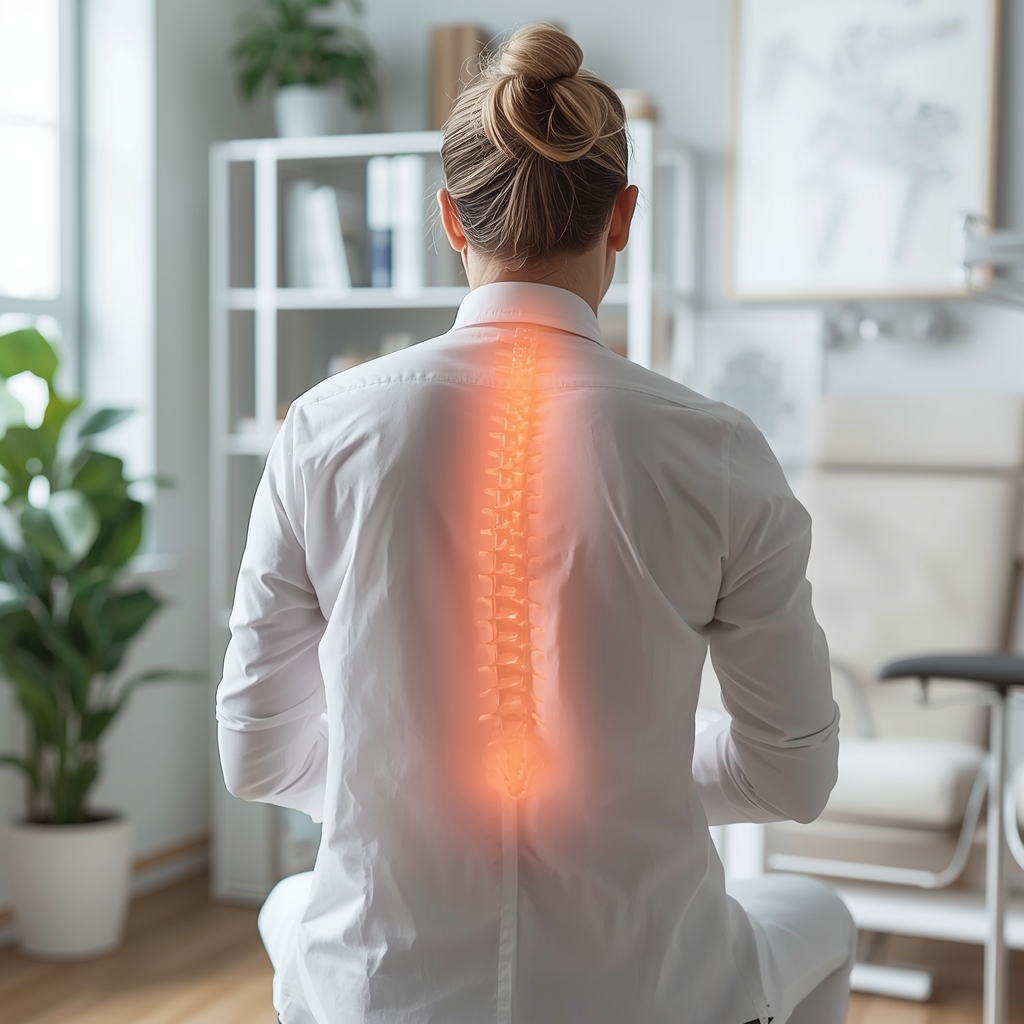
Understanding Chronic Neuropathic Pain and Opioid Alternatives
Chronic neuropathic pain, caused by nerve damage or dysfunction, affects millions and often requires long-term management. While opioids have been commonly prescribed, their risks—including addiction and side effects—have spurred demand for safer alternatives. Chiropractic care offers non-pharmacological options that address pain through physical, mechanical, and neurological interventions. These approaches focus on improving spinal alignment, reducing inflammation, and enhancing nerve function. Evidence-based techniques aim to complement or replace opioid use, emphasizing holistic patient care. It’s important to note that while chiropractic methods show promise, they should be part of a comprehensive treatment plan discussed with a qualified provider. This article explores techniques supported by research and clinical practice for managing chronic neuropathic pain without medication.
Spinal Manipulation and Nerve Function
Spinal manipulation, a cornerstone of chiropractic care, involves precise adjustments to the spine to restore proper alignment and function. For neuropathic pain, this technique may alleviate pressure on nerves, reducing pain signals and improving communication between the nervous system and the body. Studies suggest that spinal adjustments can decrease inflammation and enhance blood flow, which may support nerve healing. While research on its efficacy for neuropathy is ongoing, many patients report reduced pain and improved mobility. Chiropractors tailor adjustments to individual needs, considering factors like pain severity and underlying conditions. This method is often combined with other therapies for optimal results. As with any treatment, it’s crucial to consult a licensed chiropractor to ensure safety and appropriateness for your specific situation.
Soft Tissue Therapies and Myofascial Release
Soft tissue therapies, such as myofascial release and trigger point therapy, target muscles, tendons, and ligaments to relieve tension and pain. Neuropathic pain can cause muscle tightness and spasms, exacerbating discomfort. These techniques use manual pressure or specialized tools to release knots and improve flexibility. By reducing muscle strain, they may indirectly ease nerve-related pain. Research indicates that soft tissue work can decrease inflammation and enhance range of motion, offering relief for chronic conditions. Chiropractors often integrate these methods with spinal adjustments for a multifaceted approach. Patients may experience immediate or gradual improvements, depending on their condition. While not a standalone solution, soft tissue therapies are a valuable component of non-opioid pain management. Always seek a trained professional to ensure proper technique and avoid injury.
Decompression Therapy for Nerve Compression
Spinal decompression therapy is designed to relieve pressure on compressed nerves, a common cause of neuropathic pain. This non-surgical technique uses mechanical traction to gently stretch the spine, creating space between vertebrae and reducing nerve irritation. It may be particularly beneficial for conditions like herniated discs or spinal stenosis, which can contribute to nerve pain. Clinical studies suggest decompression therapy can decrease pain and improve function in some patients. The process is typically painless and may be combined with other chiropractic interventions. While not suitable for all cases, it offers a drug-free alternative for those seeking to avoid opioids. As with any treatment, a thorough evaluation by a chiropractor is essential to determine if decompression therapy is appropriate for your specific condition and to maximize its benefits.
Cold Laser Therapy and Anti-Inflammatory Effects
Cold laser therapy, also known as low-level laser therapy (LLLT), uses specific wavelengths of light to stimulate cellular function and reduce inflammation. This technique is gaining attention for its potential to alleviate neuropathic pain by promoting tissue repair and modulating pain signals. Research indicates that LLLT may enhance ATP production in cells, supporting healing processes and reducing pain sensitivity. It is non-invasive and typically well-tolerated, making it a viable option for chronic pain management. Chiropractors may use cold laser therapy alongside other methods to address nerve-related discomfort. While more studies are needed to fully understand its mechanisms, many patients report positive outcomes. As with all therapies, individual results may vary, and a qualified provider should guide its use to ensure safety and effectiveness.
Integrating Chiropractic Care with Holistic Approaches
Chiropractic techniques for neuropathic pain often work best when combined with other holistic strategies. This may include exercise, nutritional support, and stress management to address the body’s overall health. For example, corrective exercises can strengthen muscles and improve posture, reducing nerve pressure. Nutritional interventions may target inflammation and support nerve function. Stress reduction techniques, like mindfulness or yoga, can also play a role in pain management. Chiropractors may refer patients to other specialists or recommend complementary therapies to create a well-rounded plan. It’s essential to approach chronic pain with a multidisciplinary mindset, as no single method works for everyone. Always discuss any new treatments with a healthcare provider to ensure they align with your health goals and medical history.














