
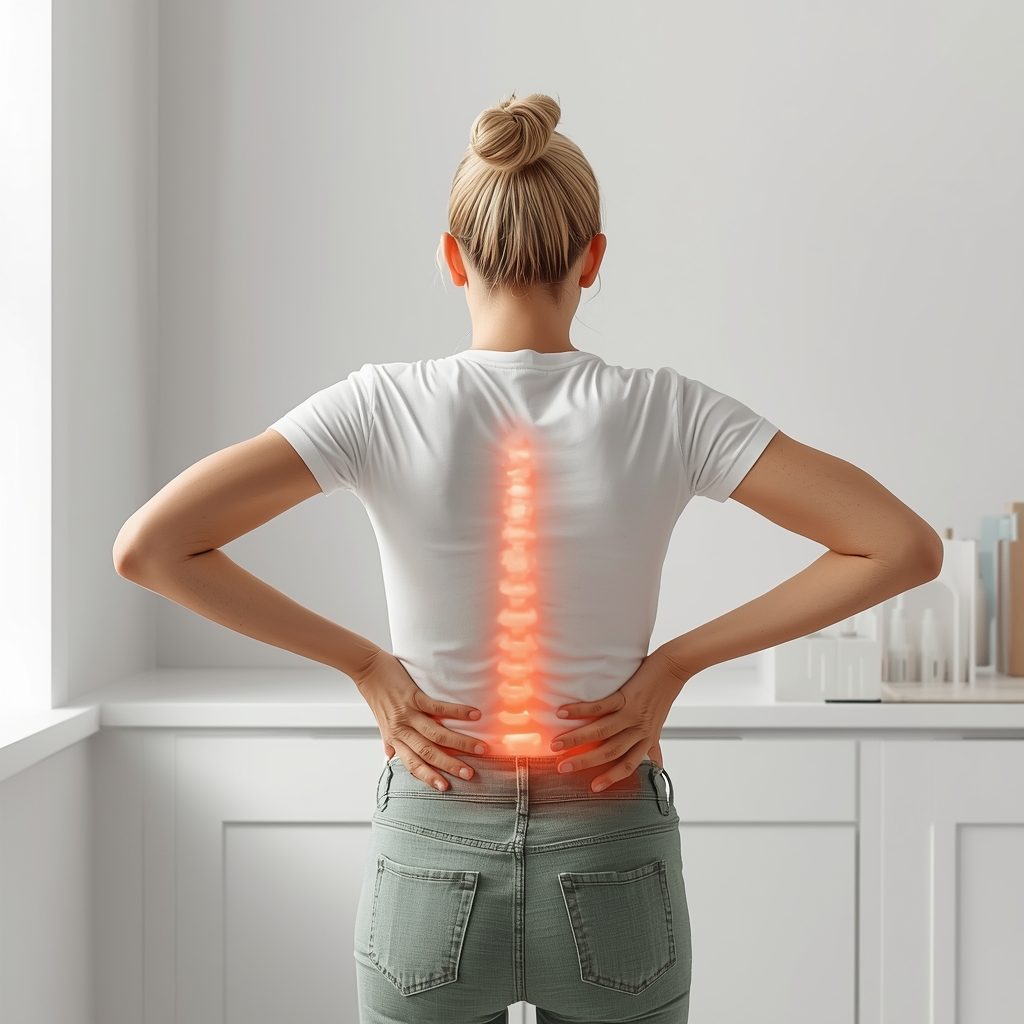
Understanding the Risks of Holiday Cooking and Cleaning
Holiday cooking and cleaning often involve repetitive motions, heavy lifting, and prolonged standing, which can strain the back. Common activities like carrying groceries, bending to clean, or reaching for items on high shelves may lead to muscle fatigue or spinal misalignment. Even minor imbalances in posture or movement patterns can accumulate over time, increasing injury risk. Recognizing these hazards is the first step in preventing back strain. By addressing ergonomic habits and seeking professional support, individuals can reduce discomfort and maintain mobility during busy seasons. Chiropractors emphasize that proactive adjustments and mindful practices are key to avoiding long-term issues.
Ergonomic Adjustments for Kitchen and Cleaning Tasks
Simple ergonomic changes can significantly reduce back strain during holiday activities. For cooking, use a stable, adjustable stool when standing for long periods, and keep frequently used tools within easy reach to minimize bending. When lifting heavy objects, bend at the knees and keep the back straight to distribute weight properly. In cleaning, opt for lightweight, ergonomic tools and take frequent breaks to stretch. Adjusting workspaces to fit individual body dimensions—such as raising a sink or using a long-handled mop—can also ease physical stress. These adjustments help maintain proper posture and reduce unnecessary pressure on the spine, making holiday tasks more manageable.
Chiropractic Interventions for Back Strain Prevention
Chiropractic care offers targeted solutions to prevent and address back strain. Spinal adjustments can realign the vertebrae, relieving pressure on nerves and muscles that may contribute to pain. Techniques like soft tissue therapy or mobilization may also enhance flexibility and reduce tension. Regular chiropractic checkups can identify early signs of misalignment or dysfunction, allowing for timely intervention. For those with pre-existing back conditions, a chiropractor can create a personalized plan to support spinal health during physically demanding activities. These interventions complement ergonomic practices, providing a holistic approach to injury prevention.
Combining Ergonomics with Chiropractic Care
Integrating ergonomic adjustments with chiropractic care creates a comprehensive strategy for back strain prevention. A chiropractor can assess individual movement patterns and recommend specific workplace or home modifications. For example, they might suggest posture corrections or exercises to strengthen core muscles, which support the spine during daily tasks. Regular adjustments can also enhance the body’s ability to adapt to physical demands, reducing the likelihood of injury. By addressing both environmental factors and musculoskeletal health, this combined approach helps maintain comfort and functionality throughout the holiday season.
Posture and Movement Tips for Holiday Activities
Maintaining proper posture during holiday tasks is crucial for back health. Avoid slouching or twisting the spine when lifting; instead, engage core muscles to stabilize the torso. When cleaning, use a wide stance and bend at the hips and knees rather than the waist. For cooking, alternate hands when chopping or stirring to prevent muscle overuse. Taking short breaks to stretch and reset posture can also alleviate tension. Chiropractors often advise patients to practice mindful movement, focusing on how the body feels during activities. These habits, when consistently applied, can significantly lower the risk of back strain.
When to Seek Professional Guidance
If back pain persists or worsens during holiday activities, consulting a chiropractor is advisable. They can evaluate the underlying causes and provide tailored recommendations. Individuals with chronic back issues or those recovering from injuries should discuss safe ways to manage holiday tasks. Chiropractors may also suggest complementary therapies, such as heat therapy or specific stretches, to support recovery. Remember, while ergonomic adjustments and self-care are valuable, professional insight ensures that interventions align with individual needs. Prioritizing spinal health through expert guidance helps maintain comfort and activity levels throughout the season.













