
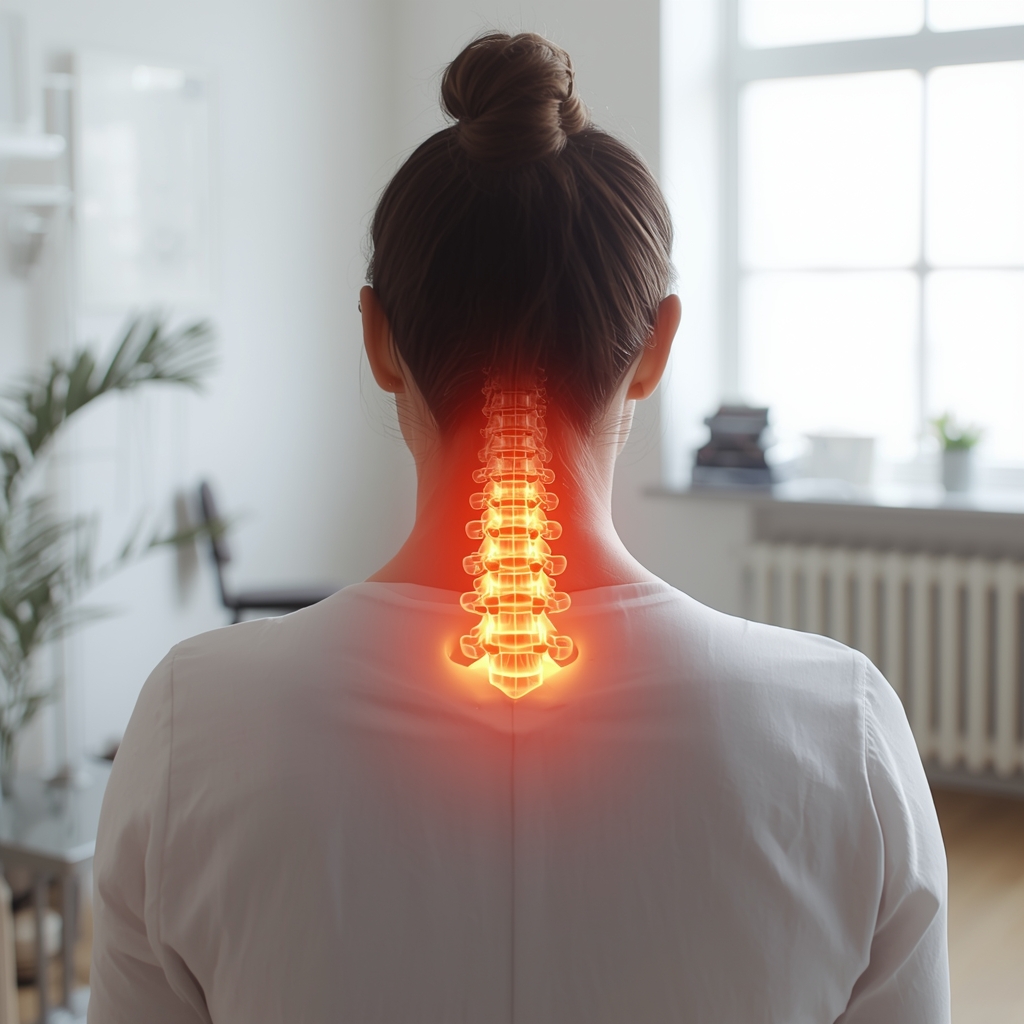
Understanding Whiplash and Cervical Facet Joint Pain
Whiplash occurs when the head is abruptly forced forward and backward, commonly during auto accidents. This trauma can strain the cervical spine, leading to pain in the facet joints—small stabilizing joints in the neck. Symptoms often include stiffness, limited range of motion, and localized tenderness. While acute pain may resolve over weeks, some individuals experience lingering discomfort. Chiropractic care focuses on restoring mobility and reducing inflammation, but techniques vary based on individual needs. A chiropractor can evaluate the extent of damage and recommend tailored approaches. Understanding the condition is the first step in exploring effective treatment options.
Spinal Manipulation and Joint Mobilization
Spinal manipulation, a cornerstone of chiropractic care, involves precise adjustments to realign the vertebrae and relieve pressure on facet joints. This technique can reduce inflammation and improve joint function. Joint mobilization, a gentler approach, uses controlled movements to enhance flexibility without forceful thrusts. Both methods aim to restore normal biomechanics, but their suitability depends on the patient’s condition. For example, acute inflammation may require softer techniques to avoid exacerbating pain. Chiropractors often combine these strategies with other therapies to maximize outcomes. Patients should discuss their symptoms and medical history to determine the safest, most effective plan.
Soft Tissue Therapies and Trigger Point Release
Soft tissue therapies target muscles and connective tissues surrounding the cervical spine, which often tighten after whiplash. Techniques like myofascial release or trigger point therapy alleviate tension that contributes to joint pain. By addressing muscle knots and adhesions, these methods can reduce referred pain and improve range of motion. Chiropractors may use instruments or manual pressure to apply these therapies. While not a standalone solution, they complement spinal adjustments by addressing secondary musculoskeletal issues. Patients often report reduced discomfort and faster recovery when soft tissue work is integrated into their care plan.
Adjunctive Therapies for Enhanced Recovery
Chiropractors frequently use adjunctive therapies to support spinal adjustments and soft tissue work. Modalities like ultrasound, electrical stimulation, or cold laser therapy can reduce inflammation and promote healing. Heat or ice applications may also ease acute pain and muscle spasms. These tools are not replacements for manual techniques but enhance their effects. For instance, ultrasound can penetrate deep tissues to accelerate recovery, while electrical stimulation may block pain signals. Patients should consult their chiropractor to determine which adjuncts align with their condition and preferences. A personalized approach ensures safety and optimizes results.
Patient Education and Home Care Strategies
Education plays a vital role in managing whiplash-related pain. Chiropractors often teach patients proper posture, ergonomics, and gentle exercises to maintain mobility. Recommendations may include neck stretches, isometric exercises, or avoiding activities that strain the cervical spine. Patients are also advised on sleep positions and pillow choices to minimize discomfort. Compliance with home care instructions can speed recovery and prevent chronic issues. However, these strategies should complement, not replace, professional care. A chiropractor can guide patients on safe, effective self-management techniques tailored to their specific needs.
When to Seek Professional Care
If whiplash symptoms persist beyond a few weeks or worsen, consulting a chiropractor is essential. Persistent pain, headaches, or neurological symptoms like numbness require evaluation to rule out complications. A chiropractor will conduct a thorough assessment, possibly using imaging or physical exams, to identify the root cause. They may refer patients to other specialists if needed. Early intervention improves outcomes, as delayed care can lead to chronic pain or reduced mobility. Patients should prioritize professional guidance over self-diagnosis, ensuring their treatment plan addresses both immediate and long-term needs.













