
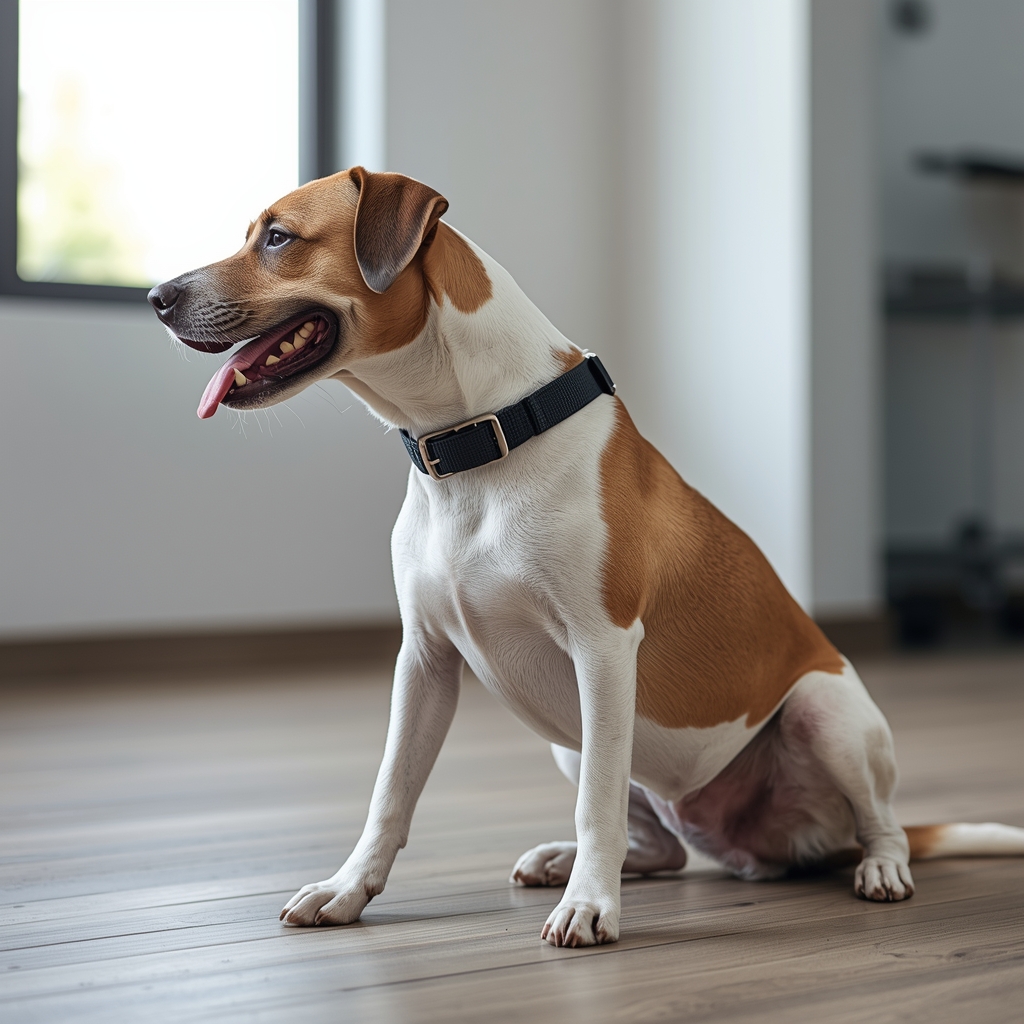
Introduction to Animal Chiropractic for Dogs
Animal chiropractic focuses on the musculoskeletal and nervous systems of non-human animals, including dogs. While often associated with feline care, this specialized practice addresses a wide range of mobility, pain, and performance-related issues in canines. For athletic dogs, such as those involved in agility, hunting, or competitive sports, chiropractic care can play a vital role in maintaining optimal physical function. By ensuring proper spinal alignment and joint mobility, veterinary chiropractors help dogs move more efficiently, reduce discomfort, and enhance overall well-being. This approach complements traditional veterinary medicine, offering a holistic way to support canine athletes and prevent injuries.
Spinal Alignment and Athletic Performance
The spine is central to a dog’s movement, balance, and coordination. Misalignments, or subluxations, can disrupt nerve function, leading to reduced performance and increased injury risk. Chiropractic adjustments aim to restore proper spinal mechanics, allowing the nervous system to communicate effectively with the rest of the body. For athletic dogs, this can mean improved agility, faster reflexes, and better endurance. Regular evaluations by a qualified veterinary chiropractor can identify and correct these issues before they escalate. By maintaining optimal spinal health, dogs can perform at their peak while minimizing the strain on muscles and joints, which is especially important for high-activity breeds.
Injury Prevention Through Regular Adjustments
Preventive care is key to keeping athletic dogs injury-free. Regular chiropractic adjustments help maintain joint mobility and muscle flexibility, reducing the likelihood of strains, sprains, and other common injuries. Dogs that engage in frequent physical activity are prone to microtraumas that accumulate over time, potentially leading to chronic issues. Chiropractic care addresses these early signs by promoting proper biomechanics and supporting the body’s natural healing processes. Additionally, adjustments can alleviate stress on the musculoskeletal system, ensuring that dogs remain agile and resilient. Owners should consider scheduling routine check-ups, especially for dogs with active lifestyles, to proactively manage their health and longevity.
Enhancing Mobility and Flexibility
Mobility and flexibility are critical for athletic dogs, enabling them to perform complex movements with ease. Chiropractic techniques focus on improving range of motion by addressing joint restrictions and muscle imbalances. This is particularly beneficial for dogs recovering from minor injuries or those experiencing stiffness due to age or overuse. By restoring normal movement patterns, chiropractic care can enhance a dog’s ability to jump, twist, and run efficiently. It also helps prevent compensatory movements that may lead to secondary injuries. For dogs engaged in sports or strenuous activities, maintaining optimal mobility through regular adjustments can significantly reduce the risk of long-term musculoskeletal problems.
Supporting Recovery from Injuries
When athletic dogs sustain injuries, chiropractic care can aid in recovery by addressing underlying issues that may hinder healing. Adjustments can reduce inflammation, improve circulation, and restore nerve function, all of which support the body’s natural repair mechanisms. For example, a dog with a pulled muscle may benefit from targeted adjustments that relieve pressure on affected nerves and muscles. Chiropractic care also helps prevent compensatory gait patterns that can strain other parts of the body during recovery. While not a substitute for veterinary treatment, it can complement traditional therapies, speeding up recovery times and reducing the risk of recurring injuries in active dogs.
When to Consult a Veterinary Chiropractor
Owners should consider consulting a veterinary chiropractor if their dog exhibits signs of discomfort, such as stiffness, lameness, or reduced performance. These symptoms may indicate misalignments or musculoskeletal imbalances that a specialist can address. It’s also advisable to seek care before major events or training phases to ensure the dog is in optimal condition. While chiropractic care is generally safe, it should always be performed by a licensed professional with experience in animal care. A veterinary chiropractor will conduct a thorough evaluation and develop a tailored plan to meet the dog’s specific needs. By prioritizing preventive and corrective care, owners can help their canine athletes thrive and avoid long-term health issues.















