
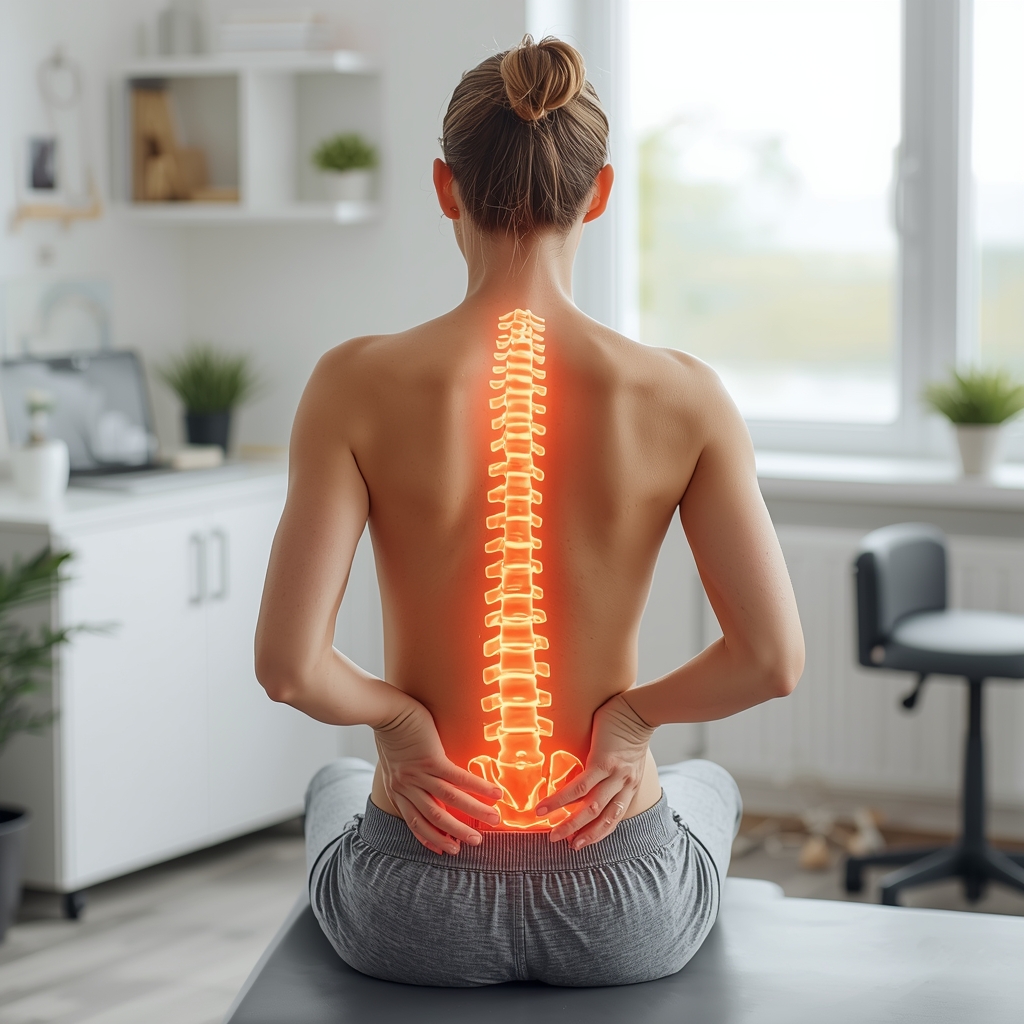
Understanding Lumbar Sprains in Auto Accident Victims
Lumbar sprains, often overlooked in auto accidents, occur when ligaments in the lower back are stretched or torn. These injuries can result from sudden impacts, causing pain, limited mobility, and long-term discomfort. While whiplash and neck injuries are more commonly discussed, lumbar sprains require targeted care to restore function and prevent chronic issues. Chiropractic care offers non-invasive options to address these injuries, focusing on alignment, soft tissue healing, and pain management. Understanding the role of chiropractic techniques in recovery is essential for individuals seeking alternatives to medication or surgery. This article explores effective methods used by chiropractors to treat lumbar sprains in auto accident victims, emphasizing the importance of personalized care and evidence-based practices.
Spinal Manipulation and Adjustments
Spinal manipulation, a cornerstone of chiropractic care, involves manual adjustments to restore proper alignment and mobility to the spine. For lumbar sprains, this technique can reduce pressure on nerves, improve joint function, and alleviate pain. Chiropractors use controlled, precise movements to realign the vertebrae, promoting natural healing. While research on its efficacy for sprains is ongoing, many practitioners find it beneficial for restoring range of motion. However, it is crucial to consult a qualified provider, as improper technique could worsen injuries. Spinal adjustments are often combined with other therapies to enhance recovery, ensuring a holistic approach tailored to the patient’s needs.
Soft Tissue Therapies and Myofascial Release
Soft tissue therapies, such as myofascial release and trigger point therapy, address muscle tension and scar tissue that develop after a lumbar sprain. These techniques involve applying pressure to affected areas to improve circulation, reduce inflammation, and restore flexibility. Chiropractors may use tools like Graston Technique instruments or manual pressure to break down adhesions. By targeting the muscles surrounding the spine, these methods can enhance recovery and prevent long-term stiffness. While not a standalone treatment, soft tissue work complements spinal adjustments and accelerates healing. Patients often report reduced pain and improved mobility after consistent sessions, highlighting its value in a comprehensive care plan.
Active Release Technique (ART) for Lumbar Sprains
Active Release Technique (ART) is a specialized soft tissue method that focuses on resolving muscle and tendon injuries. For lumbar sprains, ART helps release tight or damaged tissues, restoring function and reducing pain. Chiropractors use this technique to address overused or injured muscles, improving flexibility and range of motion. By combining movement with pressure, ART targets specific areas affected by the sprain, promoting faster recovery. While primarily used for conditions like carpal tunnel or runner’s knee, its application for lumbar injuries is gaining recognition. Patients often experience relief from stiffness and discomfort, though results vary based on injury severity and individual response. A chiropractor can determine if ART is suitable for a specific case.
Complementary Therapies and Rehabilitation
Chiropractors often integrate complementary therapies to enhance recovery from lumbar sprains. These may include cold laser therapy, electrical stimulation, or corrective exercises to strengthen the lower back. Cold laser therapy reduces inflammation and promotes tissue repair, while electrical stimulation can alleviate pain and muscle spasms. Corrective exercises, tailored to the patient’s condition, improve posture and prevent future injuries. Additionally, ergonomic advice and lifestyle modifications may be recommended to support long-term wellness. These approaches work alongside spinal adjustments and soft tissue therapies, creating a multifaceted treatment plan. The goal is to restore function, minimize pain, and empower patients to maintain their mobility post-recovery.
Personalized Care and Patient Considerations
Every lumbar sprain is unique, requiring a personalized approach to treatment. Chiropractors assess each patient’s injury, medical history, and lifestyle to develop an effective care plan. Factors like the accident’s severity, pre-existing conditions, and recovery goals influence the chosen techniques. Patients should communicate openly with their provider to ensure treatments align with their needs. While chiropractic care is generally safe, it is essential to avoid unqualified practitioners or unproven methods. Regular follow-ups and adjustments to the treatment plan help track progress and address challenges. Ultimately, a collaborative relationship between patient and chiropractor is key to achieving optimal outcomes and long-term spinal health.















