
Understanding Post-Concussion Syndrome in Young Athletes
Post-concussion syndrome (PCS) refers to a set of symptoms that persist after a mild traumatic brain injury, such as a concussion. Common manifestations include headaches, dizziness, fatigue, memory difficulties, and mood changes. For young athletes, these symptoms can disrupt academic performance, sports participation, and overall quality of life. While most individuals recover within days to weeks, some experience prolonged effects, necessitating specialized care. Chiropractic care is increasingly explored as a complementary approach to support recovery, focusing on the body’s natural healing mechanisms. It is essential to recognize that PCS varies in severity and that individualized assessment by a qualified provider is critical. This article examines how chiropractic techniques may address PCS symptoms in young athletes, emphasizing collaboration with medical professionals for comprehensive care.
Chiropractic Care and the Neurological Connection
The nervous system plays a central role in post-concussion recovery, as injuries can disrupt neural pathways and spinal alignment. Chiropractic care aims to restore balance by addressing spinal misalignments (subluxations) that may exacerbate symptoms. Techniques like spinal adjustments are believed to improve nerve function, potentially reducing pain and enhancing communication between the brain and body. For young athletes, whose developing nervous systems are particularly sensitive, this approach may offer a non-invasive way to support healing. However, it is important to note that chiropractic care is not a substitute for medical evaluation. Instead, it can complement traditional treatments by addressing musculoskeletal factors that might contribute to lingering symptoms. Patients and families should work closely with both chiropractors and healthcare providers to ensure a holistic recovery plan.
Common Techniques Used in PCS Recovery
Chiropractors may employ a variety of techniques to support post-concussion recovery, tailored to the individual’s needs. Spinal adjustments are a cornerstone, aiming to correct misalignments that could interfere with nervous system function. Soft tissue therapies, such as myofascial release, may alleviate muscle tension that develops as a result of compensatory movements during injury. Additionally, vestibular rehabilitation techniques can address balance and coordination issues, which are common in PCS. Some practitioners incorporate cranial adjustments to relieve pressure on the skull, though this remains a controversial area. These methods are often used in conjunction with other therapies, such as physical therapy or cognitive rehabilitation. While research on their efficacy for PCS is limited, many patients report improved comfort and functionality. As with any treatment, open communication with a licensed chiropractor is key to determining the most appropriate approach.
The Role of Spinal Adjustments in Symptom Relief
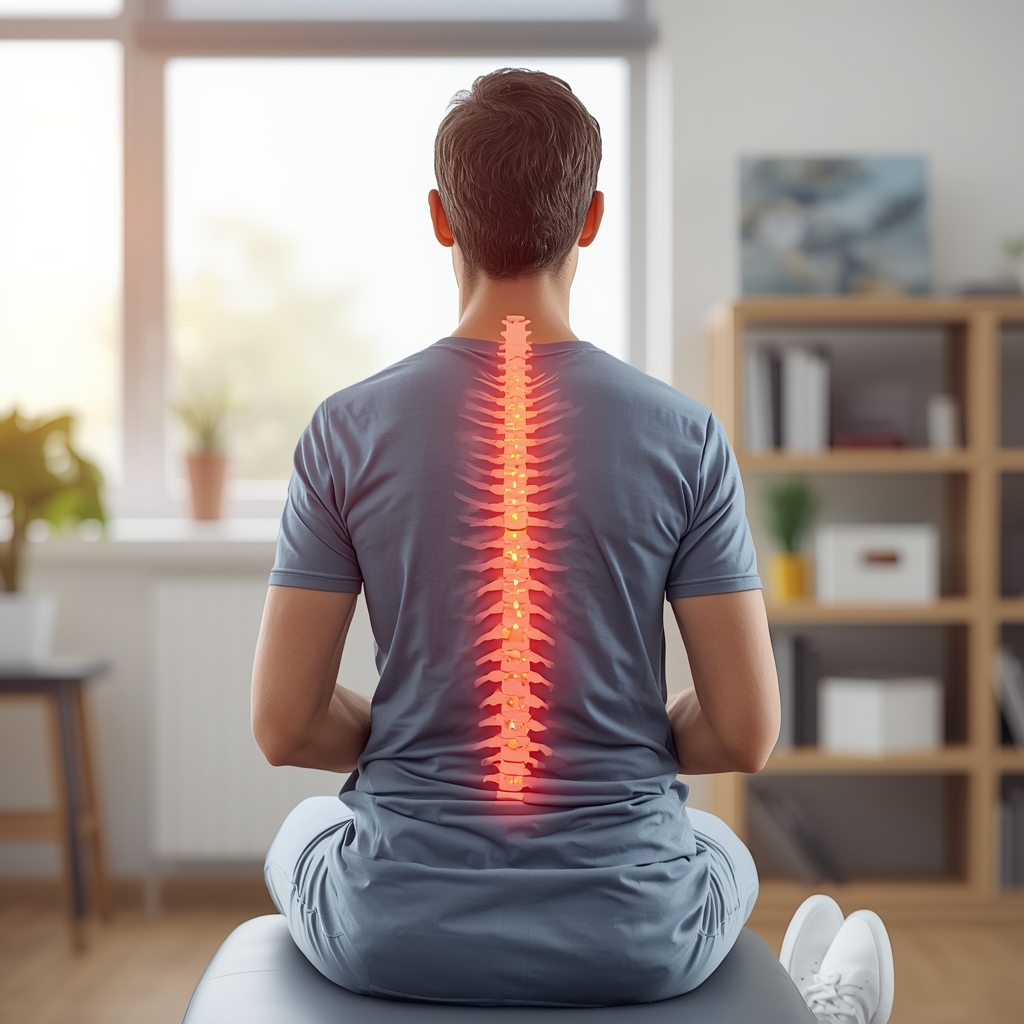
Spinal adjustments are a primary tool in chiropractic care, focusing on restoring proper alignment to the spine. For young athletes with PCS, this may help alleviate secondary symptoms like headaches, neck pain, and dizziness, which can arise from biomechanical imbalances. By improving spinal mobility and reducing nerve irritation, adjustments may support the body’s natural healing processes. However, the exact mechanisms by which these interventions affect PCS are not fully understood, and results can vary. It is crucial for chiropractors to use gentle, age-appropriate techniques when working with younger patients. Additionally, adjustments should be part of a broader care plan that includes rest, gradual return to activity, and monitoring by medical professionals. While some athletes report symptom improvement, others may require alternative or complementary strategies. The key is to prioritize safety and individualized care throughout the recovery journey.
Integrating Chiropractic with Other Therapies
Post-concussion syndrome often requires a multidisciplinary approach, and chiropractic care can play a supportive role alongside other treatments. For instance, physical therapists may address balance and strength, while cognitive behavioral therapy can help manage emotional or psychological symptoms. Chiropractors may collaborate with these professionals to create a cohesive plan that addresses both physical and neurological aspects of recovery. Techniques like vestibular rehabilitation, which is commonly used in physical therapy, can be combined with spinal adjustments to enhance outcomes. Additionally, nutritional counseling or sleep hygiene guidance may complement chiropractic interventions. Young athletes and their families should seek providers who are open to interdisciplinary care and can coordinate efforts effectively. This collaborative model ensures that all facets of PCS are addressed, promoting a safer and more comprehensive recovery process.
When to Seek Chiropractic Care for PCS
If a young athlete experiences persistent symptoms after a concussion, such as ongoing headaches, difficulty concentrating, or sleep disturbances, consulting a chiropractor may be an option. However, it is vital to first receive a thorough medical evaluation to rule out serious complications. Chiropractic care should be considered a complementary approach, not a replacement for standard medical care. Parents and athletes should look for chiropractors with experience in pediatric or sports-related injuries, as well as those who prioritize evidence-based practices. Open dialogue with healthcare providers is essential to ensure that any interventions align with the overall treatment strategy. Ultimately, the goal is to support the body’s natural recovery while minimizing risks. By working with qualified professionals, young athletes can explore safe, holistic options to aid their return to health and activity.












