
Understanding Concussion Recovery and the Role of Integrated Care
Concussions, a type of mild traumatic brain injury, often result in symptoms like headaches, dizziness, and cognitive difficulties. While the brain typically heals on its own, recovery can be prolonged without targeted interventions. Integrated care approaches that combine chiropractic adjustments with vestibular rehabilitation have gained attention for their potential to address both musculoskeletal and neurological components of concussion recovery. Chiropractic care focuses on spinal alignment and nervous system function, while vestibular rehabilitation targets balance and inner ear-related issues. Together, these methods may create a holistic pathway to recovery, addressing physical and sensory disruptions caused by concussions.
The Impact of Chiropractic Adjustments on Concussion Symptoms
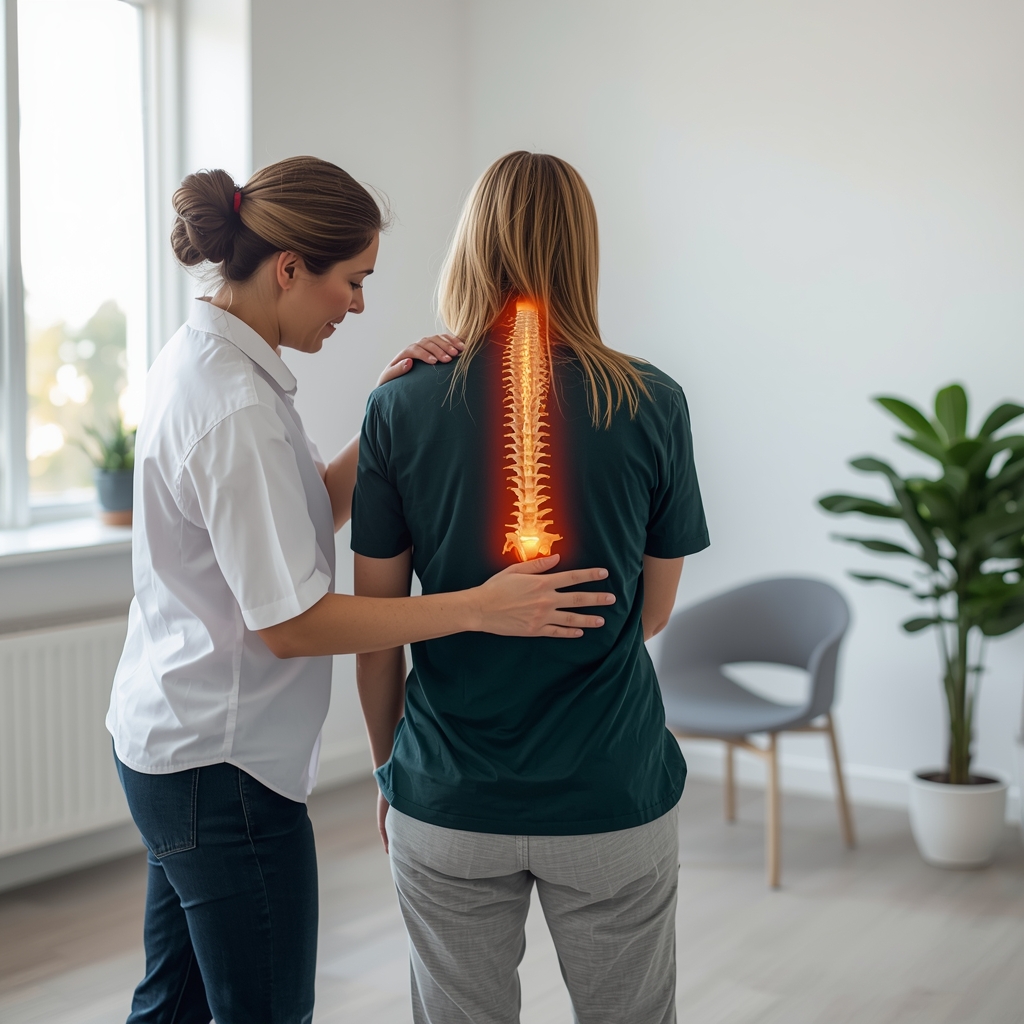
Chiropractic adjustments aim to correct spinal misalignments, which may alleviate pressure on nerves and improve overall nervous system function. For concussion patients, this could help reduce secondary symptoms like neck pain, headaches, and postural instability. The cervical spine plays a critical role in maintaining balance and transmitting sensory information, so restoring its function may support the brain’s recovery process. By improving joint mobility and reducing muscular tension, chiropractic care can also enhance blood flow and reduce inflammation, potentially accelerating healing. However, adjustments must be tailored to the individual’s condition, as aggressive techniques could worsen symptoms in some cases.
Vestibular Rehabilitation: Addressing Balance and Dizziness
Vestibular rehabilitation is a specialized form of physical therapy designed to alleviate symptoms caused by inner ear dysfunction, such as dizziness, vertigo, and balance issues. These symptoms are common after concussions, as trauma can disrupt the vestibular system’s ability to coordinate with the visual and sensory systems. Through customized exercises, vestibular rehabilitation helps the brain adapt to changes in balance signals, reducing disorientation and improving stability. This approach is often used alongside other therapies to restore functional mobility. When combined with chiropractic care, it may create a synergistic effect, addressing both structural and sensory challenges that hinder recovery.
How Chiropractic and Vestibular Approaches Complement Each Other
The integration of chiropractic adjustments and vestibular rehabilitation offers a multi-faceted strategy for concussion recovery. Chiropractic care can address musculoskeletal imbalances that contribute to post-concussion symptoms, while vestibular therapy directly targets the nervous system’s sensory processing. For example, cervical spine adjustments may reduce tension in the neck, which can indirectly improve vestibular function by stabilizing the head’s position. Conversely, vestibular exercises may enhance the effectiveness of chiropractic interventions by promoting neural plasticity. This collaborative approach recognizes the interconnected nature of the body’s systems, aiming to restore harmony between the musculoskeletal and neurological frameworks during recovery.
Research and Evidence Supporting Integrated Therapies
While specific studies on the combined use of chiropractic adjustments and vestibular rehabilitation for concussions are limited, research highlights the individual benefits of each approach. Studies suggest that chiropractic care may improve symptoms like headaches and dizziness following head injuries, while vestibular rehabilitation is well-established for treating balance disorders. The integration of these therapies aligns with broader principles of holistic care, emphasizing the body’s innate ability to heal when multiple systems are supported. Ongoing research continues to explore how interdisciplinary strategies can optimize recovery outcomes, though more clinical trials are needed to establish definitive protocols for this combined approach.
Consulting Professionals for Personalized Concussion Care
Each concussion is unique, and recovery trajectories vary based on factors like injury severity, pre-existing conditions, and individual physiology. A qualified chiropractor and physical therapist can collaborate to design a personalized care plan that incorporates adjustments and vestibular exercises. Patients should communicate openly with their healthcare providers to ensure therapies are safe and appropriate for their specific needs. While integrated care shows promise, it is not a substitute for medical evaluation or standard concussion management protocols. By working with experienced professionals, individuals can explore complementary strategies that support their recovery while adhering to evidence-based guidelines.













