
Understanding Diabetic Neuropathy and Chiropractic Care
Diabetic neuropathy, a common complication of diabetes, involves nerve damage that often causes pain, tingling, or numbness, particularly in the hands and feet. While traditional treatments focus on blood sugar management and symptom relief, chiropractic care offers complementary approaches to address nerve function and musculoskeletal factors. Chiropractors may use techniques to reduce nerve pressure, improve spinal alignment, and enhance overall nervous system function. This article explores how specific chiropractic methods can support conventional treatments for diabetic neuropathy, emphasizing non-invasive strategies that prioritize patient well-being.
Spinal Adjustments and Nerve Function
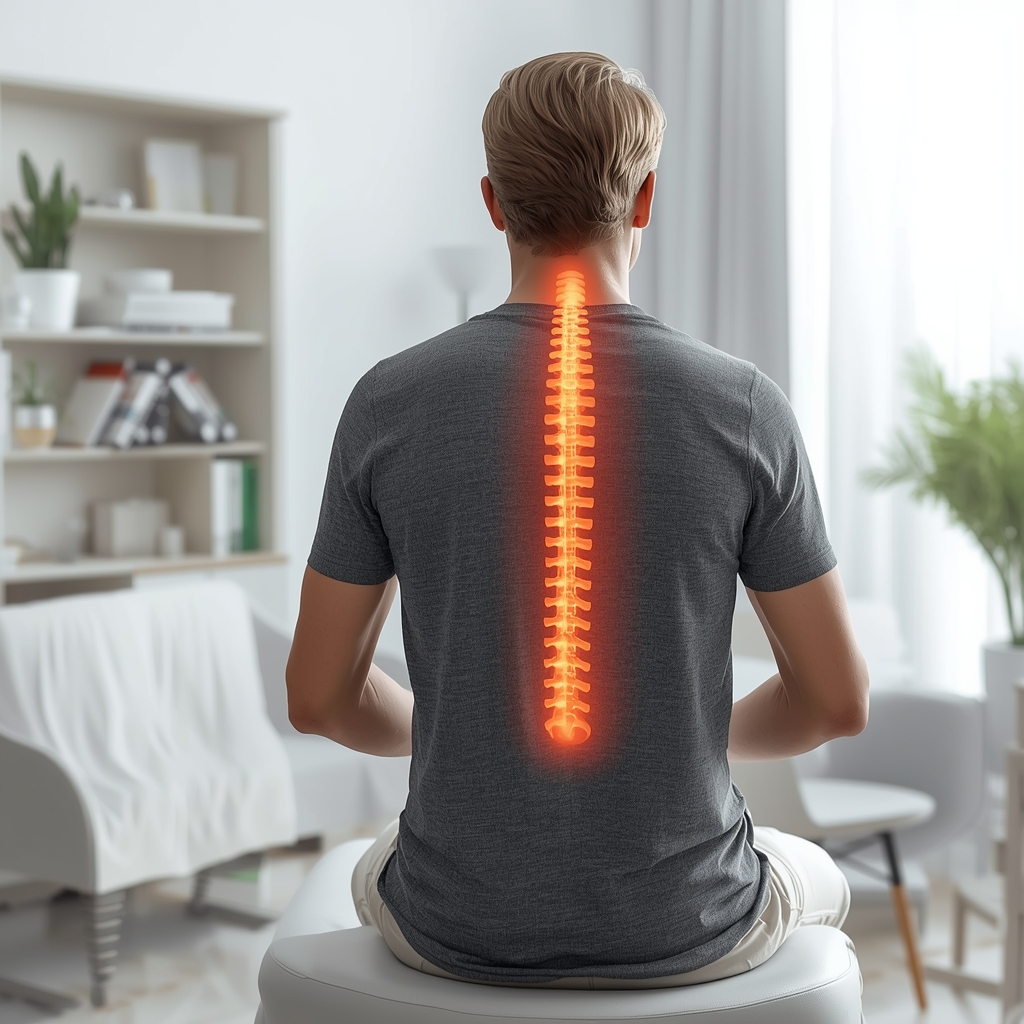
Spinal adjustments, a cornerstone of chiropractic care, aim to correct misalignments (subluxations) that may compress nerves or disrupt communication between the brain and body. For individuals with diabetic neuropathy, such adjustments could potentially alleviate nerve-related discomfort by reducing pressure on affected nerves. By restoring proper spinal mechanics, chiropractors may help improve nerve signaling and reduce inflammation. While research on this specific application is limited, many patients report improved symptoms after regular adjustments. It’s important to note that spinal care should always be tailored to the individual’s condition and performed by a licensed professional to ensure safety and effectiveness.
Soft Tissue Therapies for Symptom Relief
Soft tissue therapies, including massage and myofascial release, target muscles, tendons, and ligaments to relieve tension that may exacerbate neuropathic pain. Diabetic neuropathy can lead to muscle stiffness or imbalances, which these techniques may help address. By improving circulation and reducing muscle tightness, soft tissue work could support nerve health and enhance mobility. Techniques like Active Release Technique (ART) are often used to break down scar tissue and restore flexibility. While not a cure, these therapies may complement traditional treatments by promoting comfort and functional improvement. Patients should discuss their specific needs with a chiropractor to determine the most suitable approach.
Complementary Techniques and Patient Experience
Chiropractors may integrate additional modalities, such as cold laser therapy or electrical stimulation, to address nerve pain and inflammation. Cold laser therapy, for instance, is theorized to stimulate cellular function and reduce discomfort, though evidence remains preliminary. These methods are often used alongside adjustments and soft tissue work to create a holistic treatment plan. Patient experiences vary, but many report reduced pain and improved quality of life with consistent care. It’s crucial to approach these techniques as part of a broader strategy, working closely with healthcare providers to monitor progress and ensure safety. Open communication with a chiropractor helps tailor care to individual goals and conditions.
Integration with Traditional Medical Treatments
Chiropractic care is not a substitute for standard medical treatments but can serve as a valuable adjunct. For diabetic neuropathy, managing blood sugar levels, medications, and regular check-ups remain essential. Chiropractors may collaborate with physicians to ensure treatments align with overall health goals. For example, adjustments and soft tissue work could reduce the need for pain medications or enhance the effectiveness of physical therapy. This integrative approach emphasizes patient-centered care, addressing both structural and systemic factors. By combining chiropractic insights with conventional medicine, individuals may achieve more comprehensive symptom management and long-term well-being.
Conclusion and Next Steps
While research on chiropractic techniques for diabetic neuropathy is ongoing, many patients find relief through personalized care plans that include spinal adjustments, soft tissue therapies, and other non-invasive methods. These approaches may help reduce nerve-related discomfort and support overall health when used alongside traditional treatments. If considering chiropractic care, it’s important to consult a qualified provider who understands neuropathic conditions. Open dialogue with healthcare professionals ensures a safe, coordinated approach. By exploring complementary options, individuals with diabetic neuropathy can take proactive steps toward managing symptoms and improving their quality of life.












