
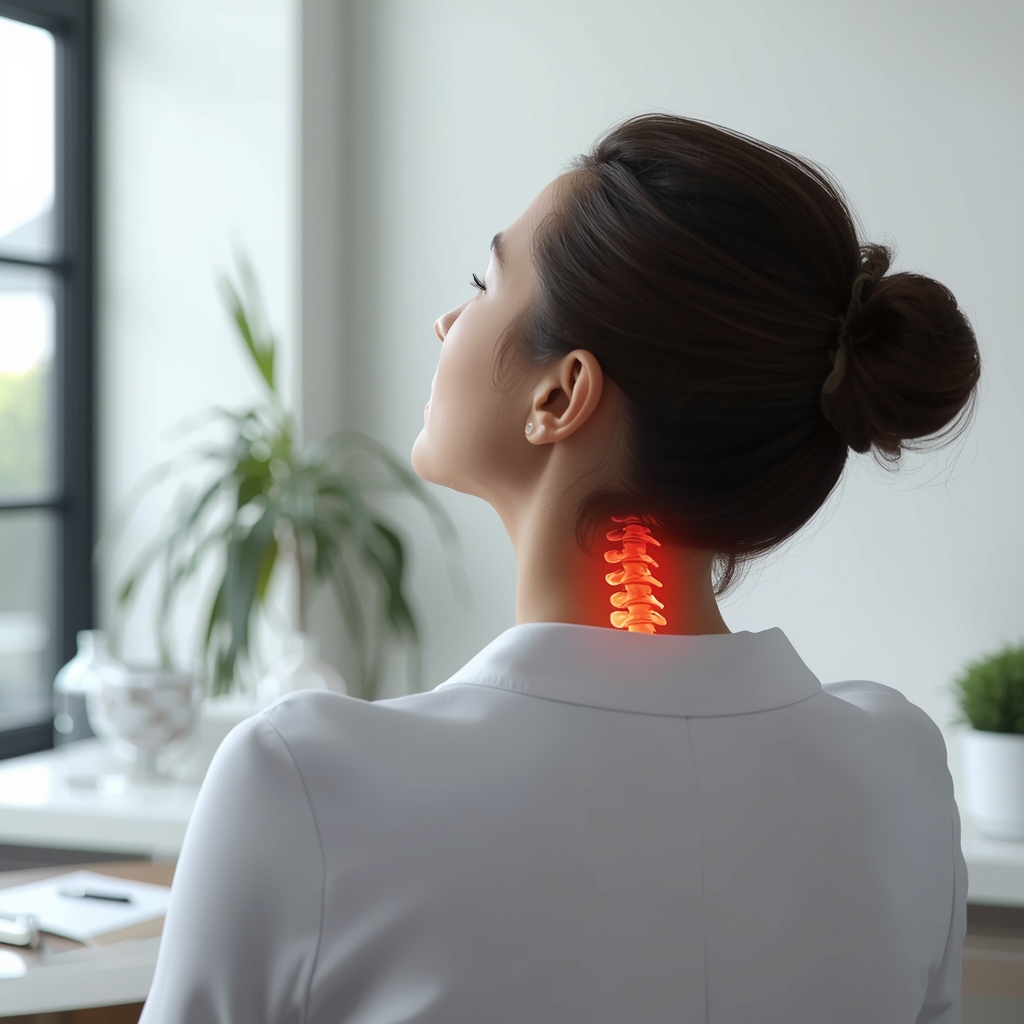
What Chiropractic Techniques Are Most Effective for Managing Chronic Neck Pain After Auto Accidents?
## Understanding Chronic Neck Pain After Auto Accidents
Auto accidents often lead to whiplash and chronic neck pain, which can persist long after the initial injury. The cervical spine, muscles, and ligaments may suffer damage, causing discomfort, restricted mobility, and ongoing inflammation. While acute pain may resolve within weeks, some individuals experience lingering symptoms that require targeted care. Chiropractic approaches focus on restoring function, reducing pain, and supporting long-term recovery. This article explores techniques that address the root causes of chronic neck pain, emphasizing strategies to improve quality of life and prevent recurrence.
## Spinal Adjustments for Alignment and Relief
Spinal adjustments, a cornerstone of chiropractic care, aim to correct misalignments in the cervical spine that contribute to chronic neck pain. By applying controlled, gentle force to specific joints, chiropractors restore proper motion and nerve function, alleviating pressure on surrounding tissues. This technique can reduce inflammation, improve range of motion, and enhance overall spinal health. For patients with post-accident injuries, regular adjustments help maintain structural integrity and prevent compensatory issues in other body regions. While adjustments are often part of a broader treatment plan, they play a critical role in addressing biomechanical dysfunctions that persist after accidents.
## Soft Tissue Therapies for Muscle and Ligament Recovery
Soft tissue therapies, such as Active Release Technique (ART) and myofascial release, target tight or damaged muscles and ligaments in the neck and upper back. These methods help break down scar tissue, reduce tension, and restore normal function to soft tissues affected by trauma. Chronic neck pain often involves muscle spasms or restricted blood flow, which these therapies can address. By improving circulation and flexibility, patients may experience reduced pain and faster recovery. Combining soft tissue work with spinal adjustments creates a comprehensive approach, ensuring both structural and muscular imbalances are resolved for lasting relief.
## Decompression Therapy for Disc and Nerve Relief
Spinal decompression therapy is a non-surgical option for patients with herniated or bulging discs, common after auto accidents. This technique uses gentle traction to relieve pressure on spinal nerves and discs, promoting healing and reducing pain. It is particularly beneficial for those experiencing radiating arm pain, numbness, or tingling due to nerve compression. Decompression can also improve disc hydration and flexibility, supporting long-term spinal health. While not suitable for all cases, it is a valuable tool for managing chronic neck pain linked to disc-related issues, offering an alternative to invasive procedures.
## Corrective Exercises for Posture and Strength
Corrective exercises are essential for long-term recovery, addressing postural imbalances and muscle weakness caused by chronic neck pain. A chiropractor may recommend specific stretches and strengthening routines to improve alignment, reduce strain on the cervical spine, and enhance stability. These exercises help retrain the body to maintain proper posture, which is crucial for preventing recurring pain. Consistent practice can also increase flexibility and endurance, supporting overall spinal health. When integrated with other chiropractic treatments, corrective exercises empower patients to take an active role in their recovery journey.
## Long-Term Strategies for Sustained Relief
Managing chronic neck pain after an accident requires a multifaceted, long-term approach. Regular chiropractic visits, combined with lifestyle adjustments, can prevent relapses and promote lasting wellness. Patients are encouraged to maintain good posture, avoid repetitive strain, and engage in low-impact exercise. Education on ergonomics and stress management also plays a role in reducing flare-ups. By working closely with a chiropractor, individuals can develop a personalized plan that addresses their unique needs. This proactive strategy not only manages symptoms but also fosters resilience, helping patients regain mobility and confidence in their daily lives.













