
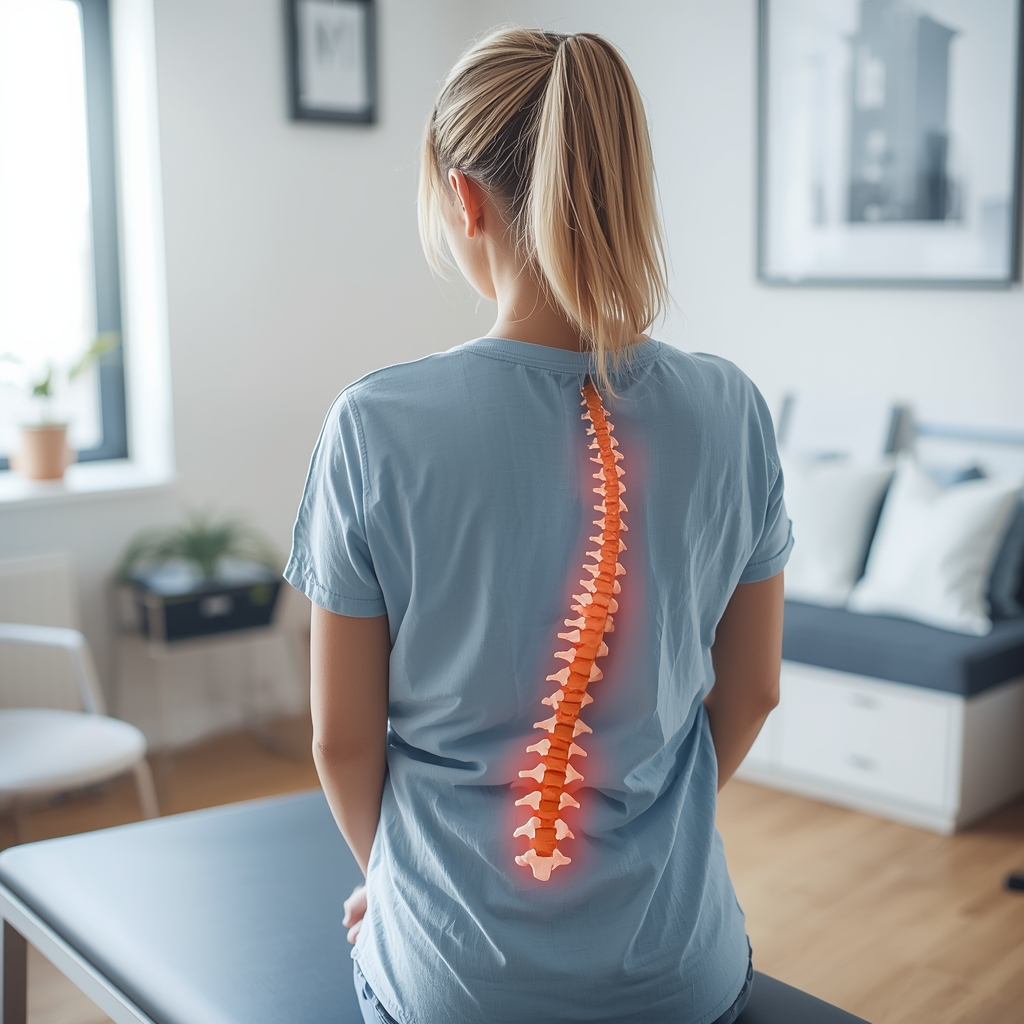
Understanding Scoliosis in Adolescents
Scoliosis is a spinal condition characterized by an abnormal lateral curvature, often diagnosed during childhood or adolescence. While some cases are mild, others may progress as the spine grows, potentially leading to long-term complications. Adolescents with scoliosis may experience discomfort, postural imbalances, or reduced mobility. Early intervention is critical, as the spine is still developing, making this population unique in treatment approaches. Chiropractic care is sometimes considered as part of a broader management strategy, but its role remains a topic of discussion among healthcare professionals.
Chiropractic Techniques for Scoliosis Management
Chiropractors may use various techniques to address spinal misalignments and improve function in adolescents with scoliosis. These often include spinal adjustments, soft tissue therapies, and rehabilitative exercises. The goal is to enhance mobility, reduce pain, and support the spine’s natural alignment. However, it’s important to note that no single technique is universally effective, and outcomes depend on the severity of the curve, the patient’s age, and overall health. Chiropractic care is typically part of a multidisciplinary approach, complementing other interventions like bracing or physical therapy.
Spinal Adjustments and Postural Correction
Spinal adjustments, a cornerstone of chiropractic care, aim to restore proper alignment and function to the spine. For adolescents, these adjustments are tailored to be gentle and age-appropriate, avoiding excessive force. By addressing subluxations (misalignments), chiropractors may help alleviate pressure on nerves and improve posture. Some studies suggest that regular adjustments can contribute to better spinal flexibility and reduced discomfort. However, evidence remains mixed, and results vary. Parents should consult a qualified chiropractor to determine if this approach aligns with their child’s specific needs and overall treatment plan.
Integrating Physical Therapy and Exercise
Physical therapy and targeted exercises are often recommended alongside chiropractic care to strengthen core muscles and improve posture. Techniques like the Schroth method, which focuses on correcting spinal alignment through specific movements, are commonly used for scoliosis. Chiropractors may collaborate with physical therapists to design personalized programs that enhance spinal stability and flexibility. These exercises can help slow curve progression and reduce the need for more invasive treatments. While chiropractic adjustments may complement these efforts, they are not a substitute for evidence-based physical therapy. A coordinated approach is essential for optimal outcomes.
Monitoring Progress and Adjusting Care
Regular monitoring is vital when managing scoliosis in adolescents, as their spines continue to grow. Chiropractors may use imaging, physical exams, and patient feedback to track progress and adjust treatment plans. This ongoing evaluation ensures that interventions remain effective and safe, particularly as the child matures. If a spinal curve worsens, additional measures—such as bracing or surgical consultation—may be necessary. Chiropractic care should always be part of a comprehensive strategy, with clear communication between healthcare providers to address any changes in the patient’s condition promptly.
Consulting a Qualified Professional
Parents considering chiropractic care for their adolescent’s scoliosis should seek a licensed chiropractor with experience in pediatric cases. A thorough evaluation is essential to determine the most appropriate interventions. While some families report benefits from chiropractic approaches, it’s crucial to maintain open dialogue with orthopedic specialists and other healthcare providers. Chiropractic care should never replace conventional medical advice or recommended treatments. By working with a team of professionals, families can make informed decisions that prioritize their child’s health and well-being throughout their growth and development.













