
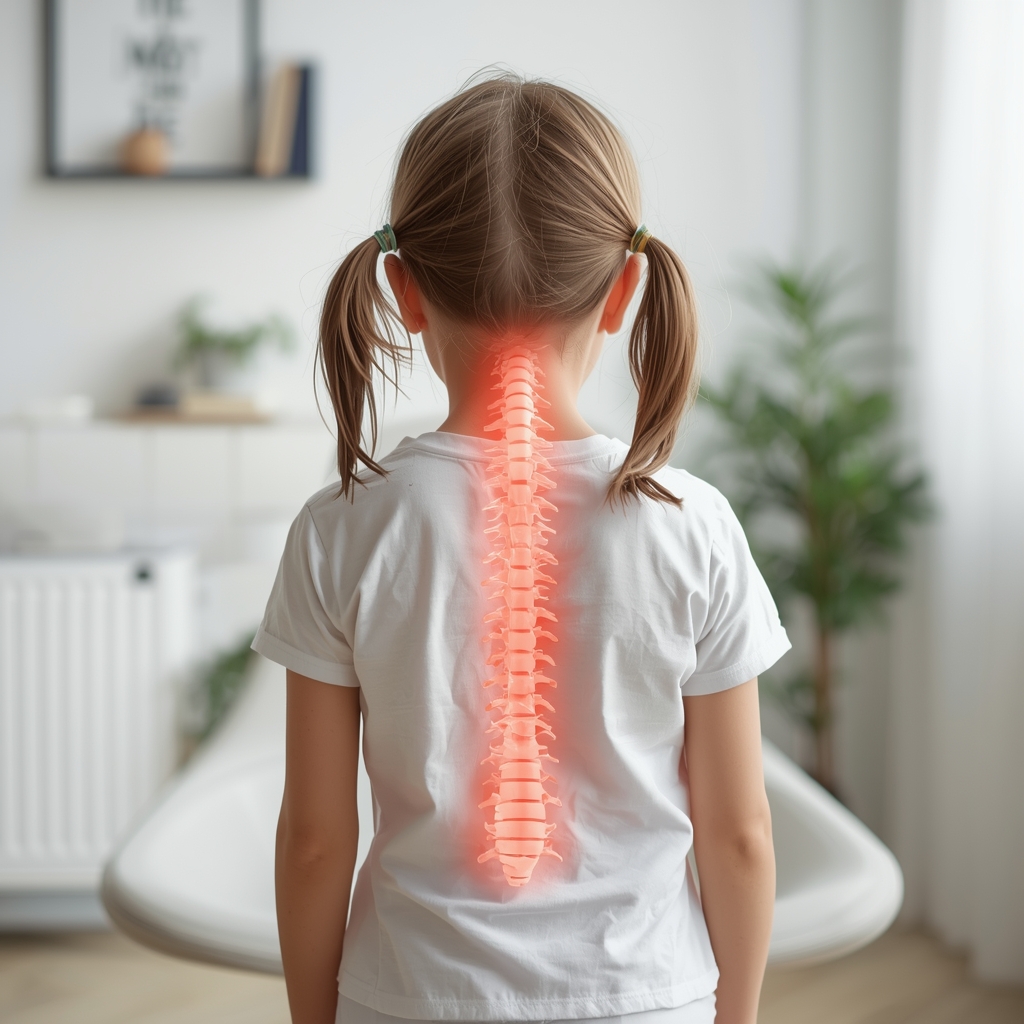
Understanding Pediatric Scoliosis and Chiropractic Care
Pediatric scoliosis involves abnormal spinal curvature, often detected during childhood or adolescence. While severe cases may require medical intervention, chiropractic care can play a supportive role in managing mild to moderate cases. Family-centered approaches prioritize collaboration between parents, children, and chiropractors to create personalized care plans. Chiropractors focus on improving spinal alignment, reducing discomfort, and promoting overall musculoskeletal health. Early intervention is key, as the spine is still developing in children. By addressing imbalances and encouraging healthy movement patterns, chiropractic strategies aim to slow progression and enhance quality of life. This holistic approach aligns with the broader goals of pediatric wellness, emphasizing non-invasive, patient-focused solutions.
Spinal Adjustments and Gentle Manipulation
Spinal adjustments are a cornerstone of chiropractic care for pediatric scoliosis, aiming to restore proper alignment and mobility. Techniques are tailored to a child’s age and condition, using gentle, low-force methods to avoid discomfort. These adjustments may help alleviate pressure on nerves and muscles, potentially reducing pain and improving posture. For children, the focus is on comfort and trust-building, with chiropractors often incorporating playful or distraction-based methods. While adjustments alone may not correct curvature, they can support overall spinal health and complement other interventions. Families are encouraged to observe their child’s response and communicate any concerns to the chiropractor for ongoing care refinement.
Corrective Exercises and Postural Training
Chiropractors often recommend corrective exercises to strengthen muscles supporting the spine and improve posture. These may include stretches, core-strengthening routines, and activities to enhance balance. For children, exercises are designed to be engaging and age-appropriate, fostering adherence and long-term habits. Postural training helps address imbalances that may contribute to scoliosis progression. Families play a vital role in reinforcing these practices at home, ensuring consistency. By integrating movement into daily routines, children can develop better body awareness and spinal stability. Chiropractors may also collaborate with physical therapists to create comprehensive plans, emphasizing gradual progress and measurable outcomes.
Family-Centered Care and Home Management
Family involvement is critical in managing pediatric scoliosis through chiropractic care. Parents and caregivers are educated on recognizing signs of discomfort, maintaining proper posture, and supporting at-home exercises. Chiropractors often provide resources or workshops to empower families with practical strategies. Regular communication between the care team and family ensures adjustments to the treatment plan as needed. Encouraging open dialogue helps children feel supported and less anxious about their condition. Additionally, lifestyle factors like sleep position, ergonomics, and physical activity are addressed to create a holistic care environment. This collaborative approach fosters a sense of shared responsibility and enhances treatment effectiveness.
Monitoring Progress and Adjusting Treatment Plans
Regular monitoring is essential to assess the effectiveness of chiropractic strategies for pediatric scoliosis. Chiropractors use physical exams, imaging (when appropriate), and patient feedback to track changes in spinal alignment and function. Adjustments to the care plan may be made based on progress, ensuring continued support as the child grows. Families are encouraged to attend follow-up appointments and report any new symptoms or concerns. This proactive approach helps address challenges early and maintains alignment with the child’s developmental needs. By staying attuned to the child’s evolving condition, chiropractors and families can adapt strategies to maximize long-term benefits.
The Role of Communication and Education
Clear communication between chiropractors, families, and children is vital for successful scoliosis management. Educating families about the condition, treatment options, and expected outcomes fosters informed decision-making. Chiropractors may use visual aids or simplified explanations to help children understand their care. Open dialogue also helps address fears or misconceptions, building trust and cooperation. Parents are guided on how to support their child’s emotional well-being alongside physical health. By prioritizing transparency and education, chiropractic care becomes a collaborative effort, empowering families to actively participate in their child’s health journey.














