
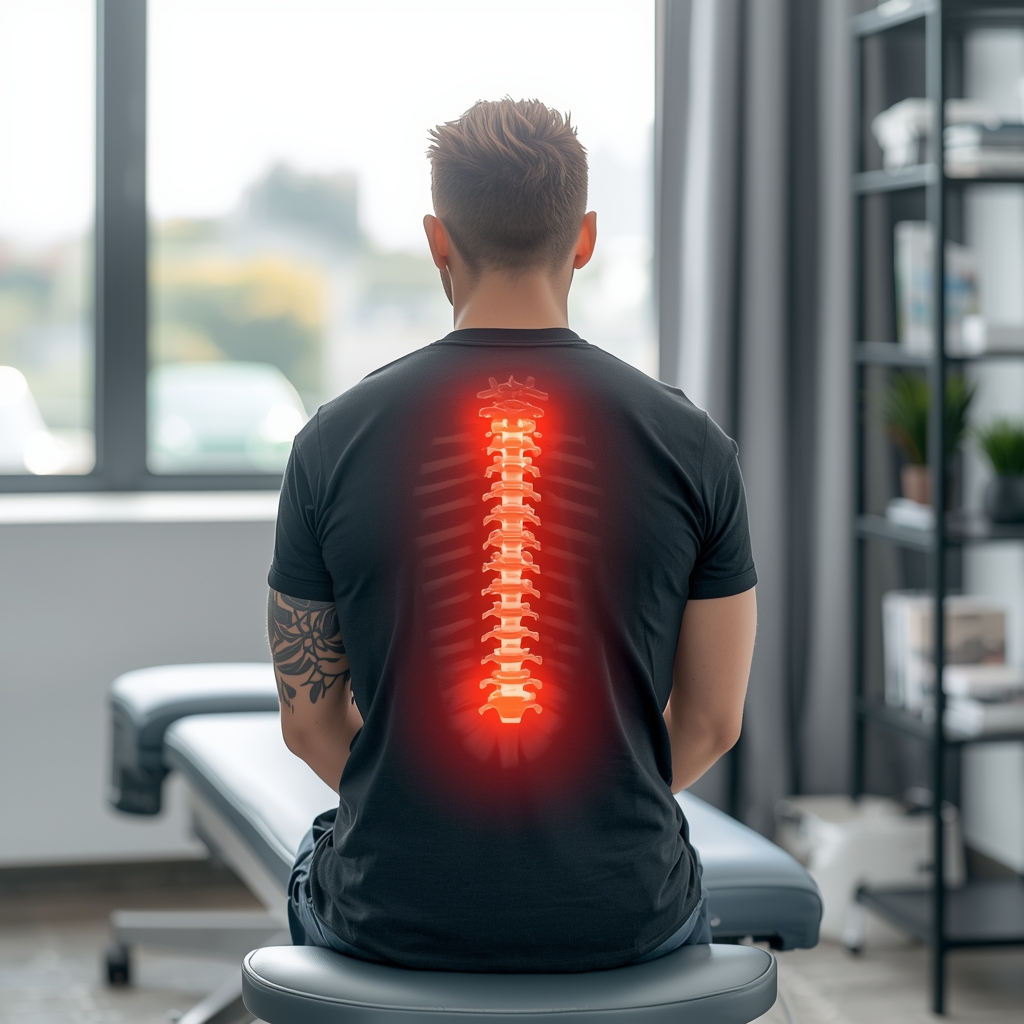
Understanding the Link Between PTSD, Chronic Pain, and Sleep Disturbances
Post-traumatic stress disorder (PTSD) affects millions of veterans, often coexisting with chronic pain and sleep disruptions. The body’s stress response can lead to muscle tension, joint stiffness, and altered sleep patterns, creating a cycle of discomfort. Chiropractic care may offer a non-invasive approach to address these interconnected issues by focusing on spinal alignment and nervous system function. While research on veterans specifically is limited, general chiropractic principles suggest that restoring structural balance could alleviate pain and improve sleep quality. It’s important to note that individual experiences vary, and consulting a qualified chiropractor is essential for personalized guidance.
Spinal Adjustments and Nervous System Balance
Spinal adjustments, a core chiropractic technique, aim to correct misalignments that may contribute to pain and nervous system dysfunction. For veterans with PTSD, these adjustments may help reduce physical tension linked to stress responses. By improving spinal mobility, chiropractors can potentially ease chronic pain symptoms and promote relaxation. Some practitioners also suggest that a balanced nervous system may support better sleep regulation. However, the exact mechanisms remain under study, and results depend on the individual’s condition. Veterans considering this approach should discuss their medical history with a chiropractor to ensure safety and appropriateness.
Soft Tissue Therapies for Pain Relief
Soft tissue therapies, such as massage or myofascial release, can complement spinal adjustments by targeting muscle tightness and inflammation. These techniques may help relieve pain associated with PTSD-related stress, such as tension headaches or back pain. By improving blood flow and reducing muscle knots, soft tissue work could also support overall recovery. Some chiropractors integrate these methods into treatment plans for chronic pain management. While not a standalone solution, they may enhance the effectiveness of other interventions. Veterans exploring this option should seek practitioners experienced in trauma-informed care to ensure comfort and safety during sessions.
Addressing Sleep Disturbances Through Spinal Care
Chronic sleep disturbances are common among veterans with PTSD, often linked to physical discomfort or heightened stress. Chiropractic care may help by addressing underlying musculoskeletal issues that disrupt sleep, such as spinal misalignments or nerve irritation. A well-aligned spine can reduce pain that interferes with rest, while relaxation techniques used in chiropractic settings may ease anxiety. Some practitioners also recommend posture adjustments or ergonomic advice to improve sleep environments. However, sleep issues often require a multidisciplinary approach, and chiropractic care should be part of a broader strategy. Discussing sleep concerns with a healthcare provider ensures comprehensive support.
Integrative Approaches for Holistic Healing
Chiropractic care often works best when combined with other therapies. For veterans, integrative approaches like acupuncture, exercise, or mindfulness practices may enhance pain relief and sleep quality. Chiropractors may collaborate with other professionals to create a tailored plan, addressing both physical and emotional aspects of PTSD. Techniques such as guided relaxation or breathing exercises can complement spinal adjustments, promoting overall well-being. While no single method works for everyone, a holistic framework allows for flexibility and adaptability. Veterans should communicate openly with their care team to explore options that align with their needs and preferences.
Consulting a Chiropractor for Personalized Care
Each veteran’s experience with PTSD and chronic pain is unique, making personalized care critical. A chiropractor can assess individual needs, considering factors like injury history, pain patterns, and lifestyle. They may recommend a combination of adjustments, soft tissue work, and lifestyle modifications to address specific challenges. Open communication with the chiropractor ensures that treatments align with the patient’s goals and comfort level. It’s also important to coordinate care with other healthcare providers to avoid conflicts. Veterans seeking chiropractic support should verify their practitioner’s credentials and experience with trauma-related conditions to ensure safe, effective care.














