
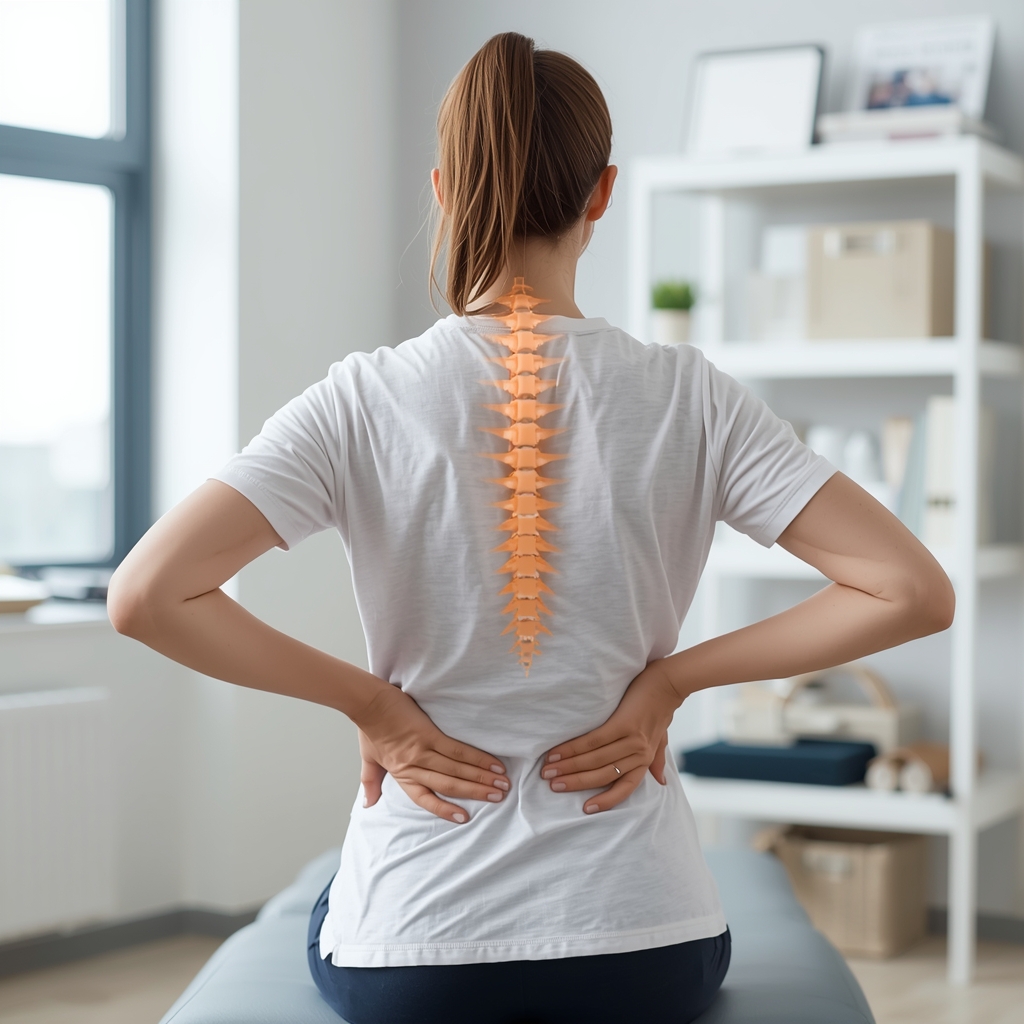
Understanding Degenerative Scoliosis in Adults
Degenerative scoliosis, also known as adult-onset scoliosis, occurs when the spine develops an abnormal curvature later in life, often due to wear and tear on spinal discs and joints. This condition can cause chronic pain, reduced mobility, and postural changes. Unlike adolescent scoliosis, which progresses during growth spurts, degenerative scoliosis typically stabilizes after skeletal maturity. Non-surgical chiropractic care focuses on managing symptoms and improving function without invasive procedures. By addressing spinal alignment and nerve interference, chiropractors aim to alleviate discomfort and enhance quality of life for adults living with this condition.
Spinal Adjustments and Manual Therapies
Spinal adjustments, a cornerstone of chiropractic care, involve precise manual techniques to realign the spine and reduce pressure on nerves. For adults with degenerative scoliosis, these adjustments can help restore balance to the musculoskeletal system, potentially easing pain and improving mobility. Chiropractors may use gentle, low-force techniques tailored to the patient’s condition, avoiding high-velocity manipulations that could worsen symptoms. By improving spinal mechanics, adjustments may also support better posture and reduce strain on surrounding muscles and joints. However, results vary, and patients should work with a licensed chiropractor to develop a personalized plan that prioritizes safety and gradual progress.
Soft Tissue Therapies and Myofascial Release
Soft tissue therapies, such as myofascial release and trigger point therapy, address muscle tension and fascial restrictions that often accompany degenerative scoliosis. These techniques involve applying sustained pressure to tight or painful areas, helping to relieve pain and improve range of motion. For adults with scoliosis, muscle imbalances around the spine can exacerbate curvature-related discomfort, making soft tissue work a valuable complementary approach. Chiropractors may also incorporate tools like massage or instrument-assisted soft tissue mobilization to target specific areas. While not a standalone solution, these therapies can enhance the effectiveness of other treatments and contribute to overall pain management when used consistently.
Corrective Exercises and Postural Training
Customized corrective exercises are often recommended to strengthen weak muscles and stretch tight ones, addressing the muscular imbalances that contribute to scoliosis. Chiropractors may design programs focusing on core stability, posture correction, and flexibility to support spinal health. These exercises can help reduce pain, improve function, and slow the progression of curvature in some cases. Patients are typically guided through movements that promote proper alignment and movement patterns, often using resistance bands, stability balls, or bodyweight exercises. While exercise alone may not reverse scoliosis, it can enhance the benefits of other chiropractic interventions and empower patients to take an active role in their care.
Decompression Therapy and Spinal Traction
Spinal decompression therapy uses mechanical devices to gently stretch the spine, creating space between vertebrae and relieving pressure on nerves. This non-surgical approach may help reduce pain caused by compressed discs or nerve irritation in adults with degenerative scoliosis. By alleviating pressure, decompression can improve circulation and promote healing in affected areas. Chiropractors often combine this therapy with other techniques to maximize results. While not suitable for all patients, decompression is generally considered safe when performed by a trained professional. It is typically used as part of a broader treatment plan rather than a standalone solution.
Integrating Chiropractic Care with Other Approaches
Chiropractic care for degenerative scoliosis is most effective when integrated with other therapies, such as physical therapy, pain management, or lifestyle modifications. Collaborating with a multidisciplinary team ensures a holistic approach to symptom relief and long-term wellness. For example, combining spinal adjustments with targeted exercises can enhance mobility, while complementary treatments like acupuncture may address pain from different angles. Patients should discuss all treatment options with their chiropractor and other healthcare providers to create a coordinated plan. Open communication and regular reassessment are key to adapting strategies as needs evolve over time.













