
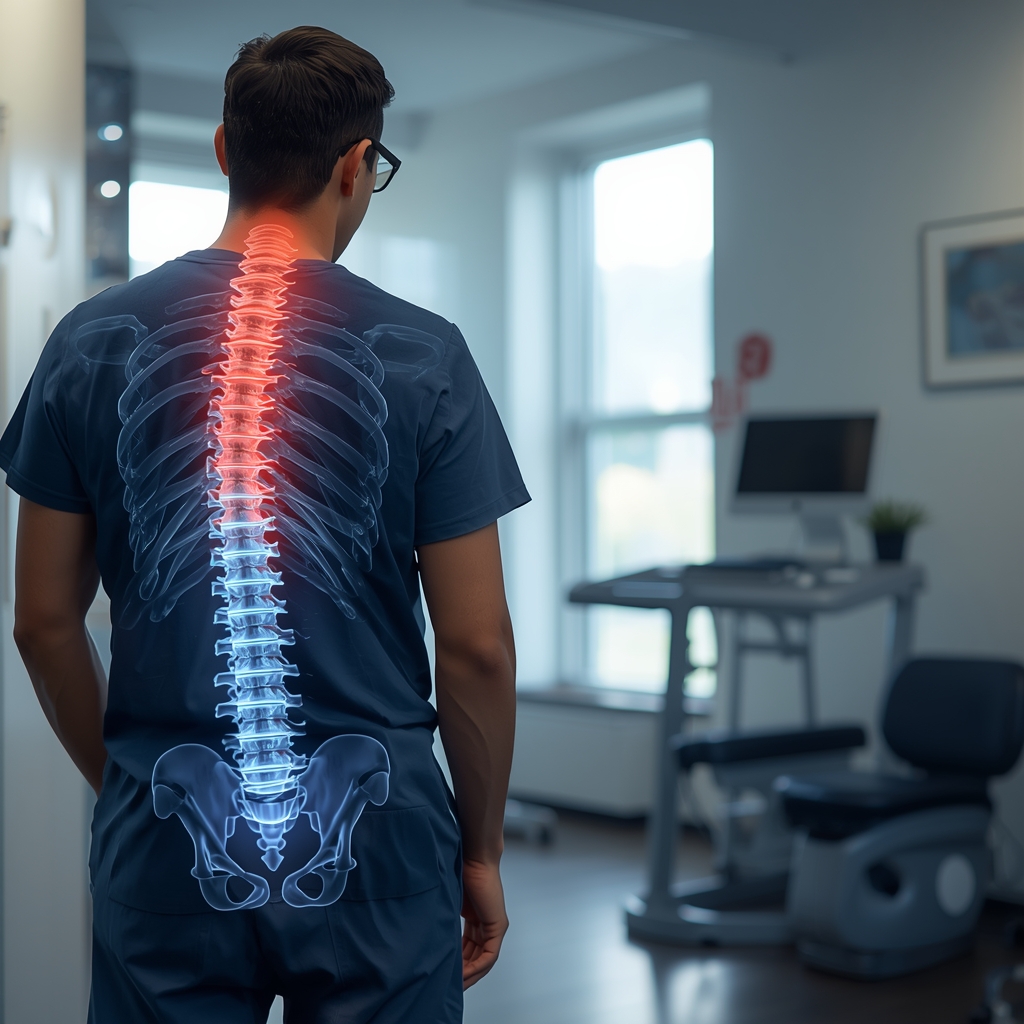
Understanding Chronic Pain in Veterans with Combat-Related Injuries
Chronic pain is a common and complex challenge for veterans with combat-related injuries, often stemming from trauma, musculoskeletal damage, or neurological conditions. These individuals may experience persistent discomfort from injuries like spinal fractures, blast-related concussions, or soft tissue damage. Traditional medical treatments, such as medications or surgeries, may not always provide long-term relief, prompting many to seek complementary approaches. Chiropractic care offers a non-invasive, holistic option by focusing on the body’s natural ability to heal. For veterans, specialized chiropractic strategies can address pain, improve mobility, and enhance overall quality of life. However, it’s essential to work with providers experienced in treating military-related injuries to ensure safe and effective care.
Spinal Adjustments and Alignment Techniques
Spinal adjustments are a cornerstone of chiropractic care, aiming to restore proper alignment and function to the spine. For veterans with combat injuries, misalignments caused by trauma or repetitive stress can contribute to chronic pain. By gently manipulating the spine, chiropractors may reduce pressure on nerves, alleviate inflammation, and improve joint mobility. Techniques such as diversified adjustments or flexion-distraction therapy are often used to address conditions like herniated discs or spinal stenosis. These methods can also help manage pain related to postural imbalances or compensatory movements from past injuries. While results vary, many veterans report improved comfort and functionality with consistent care. Always consult a qualified chiropractor to determine the most appropriate approach for individual needs.
Soft Tissue Therapies for Pain Relief
Soft tissue therapies target muscles, ligaments, and tendons to reduce pain and restore function. For veterans with combat-related injuries, these techniques can address issues like muscle tension, scar tissue, or nerve entrapment. Active Release Technique (ART) and Graston Technique are two widely used methods that involve manual manipulation to break down adhesions and promote healing. These therapies may be particularly effective for conditions such as myofascial pain syndrome or repetitive strain injuries. By improving blood flow and reducing inflammation, soft tissue treatments can enhance recovery and prevent chronic discomfort. When combined with spinal adjustments, they offer a comprehensive approach to pain management. Veterans should seek practitioners trained in these techniques to ensure safe and effective outcomes.
Integrating Chiropractic Care with Other Therapies
Chronic pain in veterans often requires a multidisciplinary approach, and chiropractic care can complement other treatments. Physical therapy, for instance, strengthens muscles and improves mobility, while acupuncture may help manage pain through nerve stimulation. Chiropractors may also collaborate with pain management specialists or mental health professionals to address the full spectrum of a veteran’s needs. For example, a veteran with post-traumatic stress disorder (PTSD) and chronic back pain might benefit from a combination of spinal adjustments, relaxation techniques, and counseling. This integrative model ensures that all aspects of health are considered. Veterans should discuss their treatment plan with a healthcare team to explore synergistic options that align with their goals and preferences.
Personalized Care Plans for Unique Needs
Every veteran’s experience with chronic pain is unique, influenced by the nature of their injuries, lifestyle, and overall health. Effective chiropractic strategies often involve customized care plans that address individual challenges. These plans may include regular adjustments, targeted soft tissue work, and lifestyle recommendations such as ergonomic modifications or exercise routines. For veterans with complex conditions, a chiropractor might incorporate advanced diagnostics or specialized techniques to monitor progress. Regular assessments allow for adjustments to the treatment approach as needs evolve. By prioritizing patient-centered care, chiropractors can help veterans achieve sustainable relief and improved functionality. Open communication between the patient and provider is key to refining the plan over time.
Encouraging Access to Specialized Chiropractic Services
Many veterans may not be aware of the chiropractic options available to them, particularly those tailored to combat-related injuries. Educating this population about the benefits of chiropractic care is crucial for ensuring they receive comprehensive support. Veterans can explore programs through the Department of Veterans Affairs (VA) or community clinics that offer integrative pain management services. It’s also important to emphasize the value of seeking practitioners with experience in military-related conditions. By fostering collaboration between chiropractors and other healthcare providers, veterans can access a more cohesive approach to their recovery. Ultimately, prioritizing access to specialized care empowers veterans to take an active role in managing their chronic pain and reclaiming their quality of life.













