
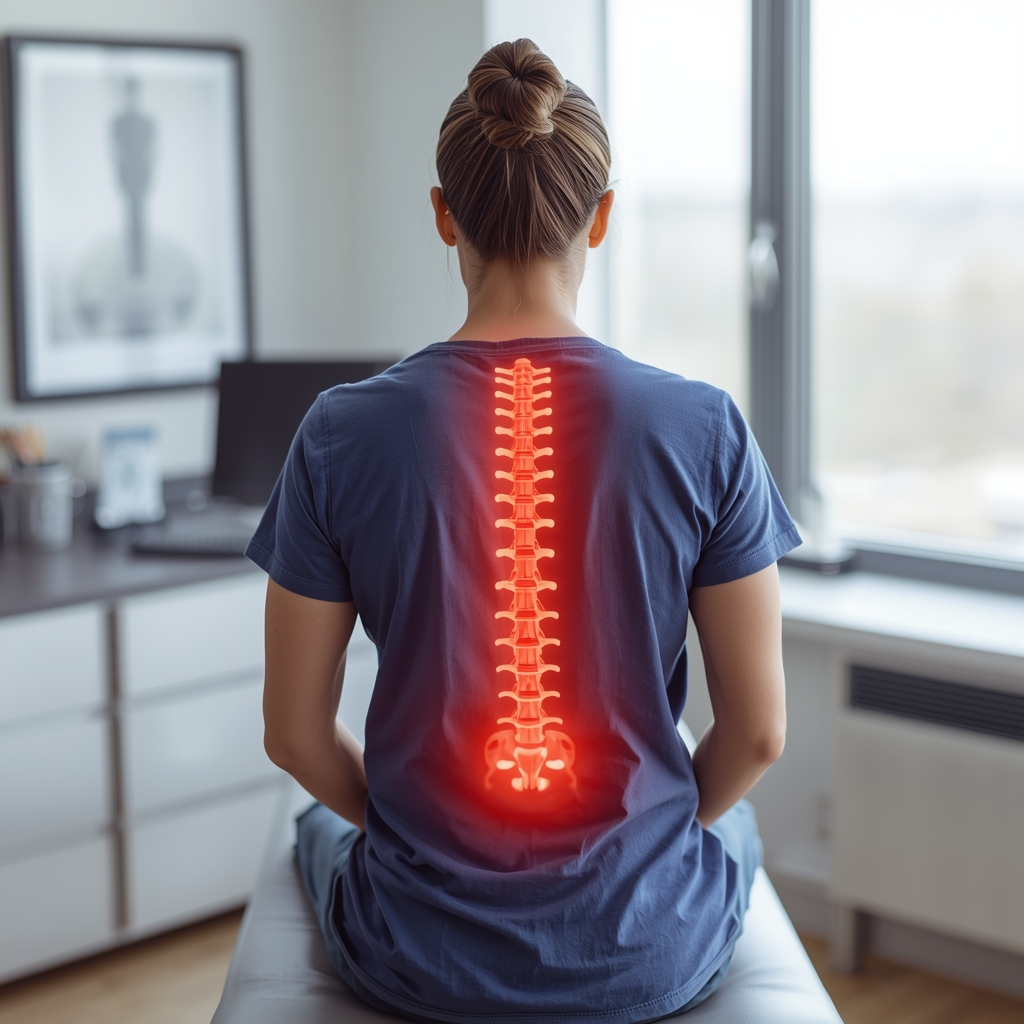
Understanding Post-Surgical Pain and the Need for Non-Opioid Solutions
Post-surgical pain is a common challenge that often requires careful management to avoid reliance on opioids, which carry risks of dependency and side effects. Non-pharmacological approaches, including chiropractic care, are increasingly valued for their role in promoting natural healing. Chiropractic protocols focus on addressing musculoskeletal imbalances that may contribute to pain, while other methods like physical therapy and soft tissue work aim to restore function. By prioritizing drug-free alternatives, patients can reduce long-term health risks and enhance recovery outcomes. This article explores effective chiropractic techniques and compares them to complementary non-opioid strategies, offering insights into holistic post-surgical care.
Chiropractic Adjustments and Spinal Manipulation
Spinal adjustments are a cornerstone of chiropractic care, designed to realign the spine and alleviate pressure on nerves that may cause or exacerbate post-surgical pain. By restoring proper biomechanics, these adjustments can reduce inflammation and improve mobility. Many patients report reduced discomfort and faster recovery when spinal manipulation is integrated into their rehabilitation plan. While not a substitute for medical follow-up, this approach supports the body’s natural healing processes. Chiropractors often tailor adjustments to the specific needs of post-surgical patients, ensuring safety and effectiveness. Research suggests that spinal manipulation may complement traditional recovery methods, though individual results can vary based on the type of surgery and overall health.
Soft Tissue Therapies and Active Release Technique (ART)
Soft tissue therapies, such as Active Release Technique (ART), target muscle tension, scar tissue, and adhesions that can develop after surgery. These methods aim to restore flexibility and reduce pain by addressing restricted movement patterns. ART involves applying pressure while the patient moves, breaking down fibrous tissue and improving circulation. Compared to passive treatments like massage, ART is often more targeted and may yield faster results. While not a standalone solution, it can enhance the effectiveness of other post-surgical interventions. Patients frequently report improved range of motion and reduced discomfort after consistent sessions. As with any therapy, it should be performed by a qualified practitioner to avoid complications.
Comparing Chiropractic to Physical Therapy and Massage
Physical therapy and massage therapy are widely used non-pharmacological approaches for post-surgical pain, each offering distinct benefits. Physical therapy emphasizes strengthening muscles, improving flexibility, and restoring function through guided exercises. Massage therapy, on the other hand, focuses on relaxing tense muscles and reducing swelling. Chiropractic care complements these methods by addressing spinal alignment and nerve function. While physical therapy is often structured around rehabilitation goals, chiropractic adjustments may provide immediate relief from musculoskeletal discomfort. Combining these approaches can create a more comprehensive recovery plan. However, the choice between them depends on the patient’s specific condition and the recommendations of their healthcare team.
Complementary Non-Pharmacological Methods
Other non-opioid strategies, such as acupuncture, dry needling, and electrical stimulation, offer additional options for managing post-surgical pain. Acupuncture stimulates specific points on the body to reduce inflammation and promote natural pain relief. Dry needling targets trigger points in muscles to alleviate tension, while electrical stimulation (e.g., TENS units) blocks pain signals. These methods can be used alongside chiropractic care to enhance outcomes. Cold laser therapy is another modality that may reduce inflammation and accelerate tissue repair. While research on their efficacy varies, many patients find these approaches helpful when integrated into a personalized care plan. As with all treatments, it’s important to consult with a qualified provider to ensure safety and appropriateness.
Integrating Chiropractic into a Holistic Post-Surgical Recovery Plan
A holistic approach to post-surgical recovery often combines chiropractic care with other non-pharmacological methods for optimal results. Chiropractic adjustments can address spinal misalignments, while soft tissue therapies and physical therapy support overall mobility. Complementary techniques like acupuncture or massage may further enhance pain relief and healing. This multidisciplinary strategy allows for tailored solutions that consider the patient’s unique needs. However, it’s crucial to work with a healthcare team to coordinate care and avoid conflicting treatments. By prioritizing drug-free alternatives, patients can minimize risks and achieve more sustainable recovery outcomes. Open communication with providers ensures that all interventions align with the patient’s goals and medical history.















