
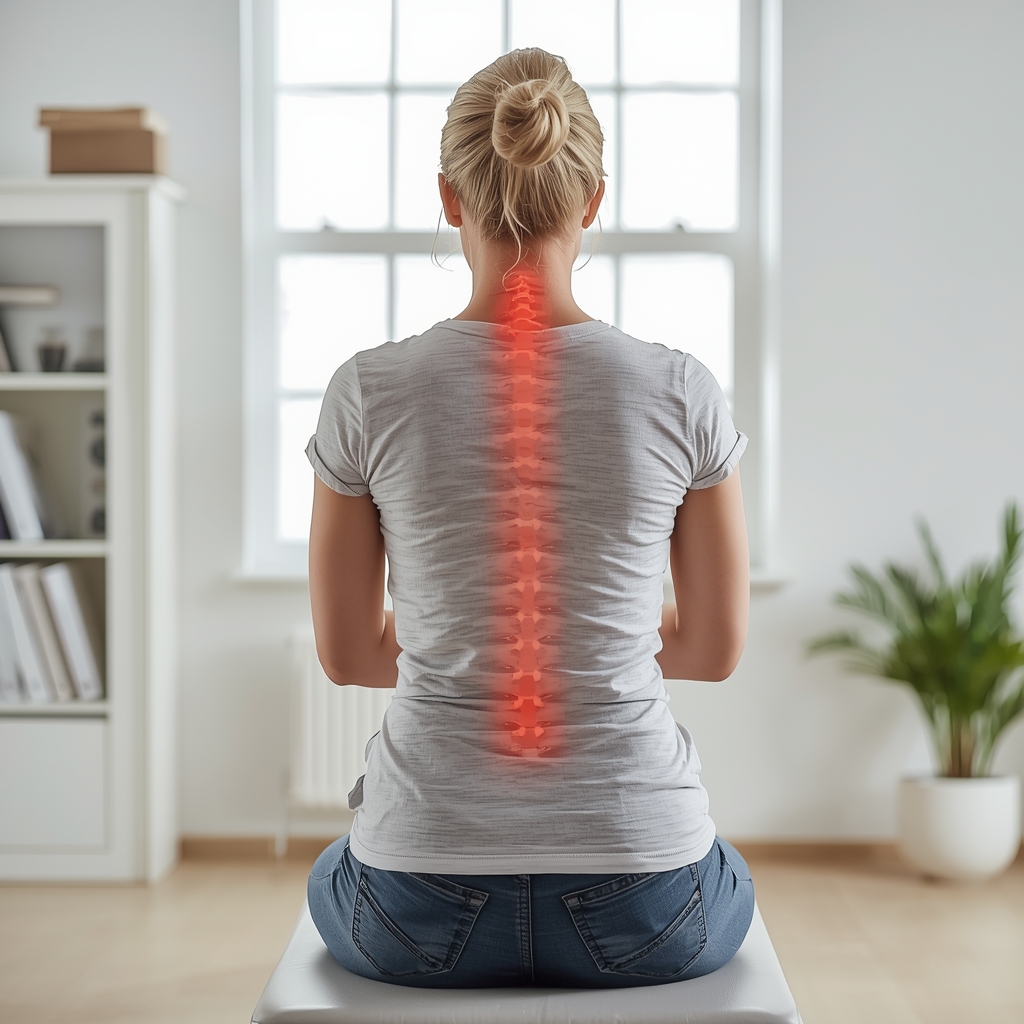
Understanding Scoliosis and Postural Imbalances in Adults
Scoliosis, characterized by an abnormal lateral curvature of the spine, can lead to postural imbalances that affect mobility, comfort, and overall quality of life in adults. Unlike adolescent scoliosis, which often develops during growth spurts, adult scoliosis may result from degenerative changes, untreated childhood cases, or spinal injuries. These imbalances can cause uneven weight distribution, muscle strain, and altered biomechanics. Chiropractic care aims to address these issues by restoring spinal alignment and improving functional movement. While scoliosis is a complex condition, chiropractors use a variety of techniques to manage symptoms and support the body’s natural ability to adapt. It’s important to note that treatment plans are typically tailored to individual needs, focusing on symptom relief and long-term spinal health rather than complete curvature correction.
Spinal Manipulation and Postural Correction
Spinal manipulation, a cornerstone of chiropractic care, involves manual adjustments to improve joint mobility and reduce nerve interference. For adults with scoliosis-related postural imbalances, these adjustments may help alleviate muscle tension, enhance range of motion, and promote better alignment. Techniques such as diversified adjustments, which use hands-on thrusts to realign vertebrae, are commonly employed. However, the effectiveness of these methods varies depending on the severity and type of scoliosis. Chiropractors often combine manipulation with other therapies to address both structural and muscular components of postural issues. While some patients report improved comfort and stability, results are not guaranteed, and ongoing evaluation is essential to ensure safety and efficacy.
Soft Tissue Therapies and Muscle Rebalancing
Soft tissue therapies, including myofascial release and trigger point therapy, play a critical role in managing scoliosis-related imbalances. These techniques target tight or inflamed muscles that contribute to postural deviations and discomfort. By releasing tension in overactive muscles and strengthening underactive ones, chiropractors can help restore symmetry and reduce strain on the spine. Methods like Active Release Technique (ART) are often used to address adhesions and improve tissue flexibility. While these therapies do not directly alter spinal curvature, they support the body’s ability to maintain better alignment through improved muscular function. Patients may experience temporary soreness after treatment, but many find these approaches helpful in conjunction with spinal adjustments for comprehensive care.
Corrective Exercises and Postural Training
Chiropractors frequently recommend corrective exercises to complement manual therapies for scoliosis-related postural imbalances. These exercises aim to strengthen core muscles, improve flexibility, and reinforce proper movement patterns. Techniques such as Pilates, yoga, and specific resistance training can enhance spinal stability and reduce compensatory movements. However, the effectiveness of these exercises depends on proper form and consistency, making guidance from a qualified professional essential. Some studies suggest that targeted exercise programs may help slow the progression of spinal curvature in certain cases, though results vary. When integrated with chiropractic adjustments, these strategies can contribute to better posture and reduced discomfort, but they should not replace individualized care from a licensed provider.
Monitoring Progress and Adjusting Treatment Plans
Managing scoliosis-related postural imbalances requires ongoing assessment and adaptability in treatment approaches. Chiropractors regularly monitor patients’ progress through physical exams, patient feedback, and imaging if necessary. Adjustments and therapies are modified based on how the body responds, ensuring care remains effective and safe. For adults, long-term management often involves a combination of periodic adjustments, lifestyle modifications, and home exercises. It’s crucial to communicate any changes in symptoms or discomfort to the chiropractor to prevent potential complications. While some improvements may be gradual, consistent care can help maintain functional mobility and reduce the impact of postural imbalances over time.
Collaborative Care and Patient Education
Effective management of scoliosis-related postural imbalances often involves a collaborative approach, combining chiropractic care with other healthcare disciplines. Chiropractors may work alongside physical therapists, orthopedic specialists, or primary care physicians to create a holistic treatment plan. Patient education is also vital, as understanding the condition and adhering to recommended practices can enhance outcomes. This includes maintaining proper posture, avoiding activities that worsen symptoms, and recognizing when to seek further evaluation. While chiropractic adjustments can provide relief, they are most effective when part of a broader strategy. Adults considering chiropractic care should consult a licensed professional to discuss their specific needs and develop a personalized plan that aligns with their health goals.













