
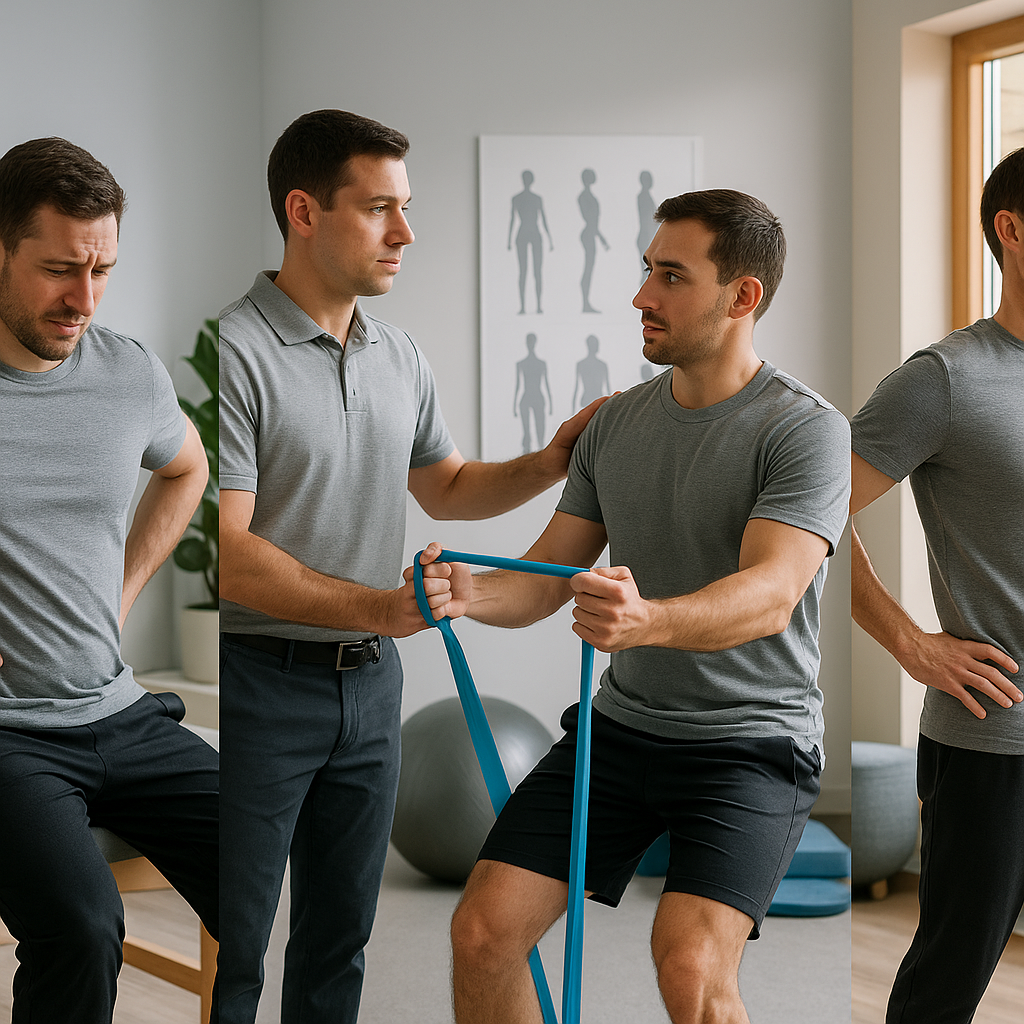
Understanding the Phases of Chiropractic Care
Chiropractic care is far more than a quick fix for back pain or a sore neck. It is a structured, progressive approach to healing the body and maintaining long-term spinal health. Whether you are visiting a chiropractor for the first time or you have been receiving adjustments for years, understanding the distinct chiropractic care stages can help you set realistic expectations, stay committed to your treatment plan, and ultimately achieve the best possible outcomes for your health.
Most chiropractic practices organize their approach into three primary phases, each serving a unique purpose in the recovery and wellness journey. These phases — commonly referred to as the relief, corrective, and wellness phases — are designed to address your immediate symptoms, correct the underlying causes of your condition, and then sustain the improvements you have worked hard to achieve.
Phase 1: Relief Care
The first of the chiropractic treatment phases is relief care, also known as the acute phase. This is where most patients begin their chiropractic journey, typically arriving in the office with a specific complaint — persistent neck pain, lower back discomfort, headaches, sciatica, or another musculoskeletal issue that has significantly affected their daily life.
During this initial stage, the primary goal is straightforward: reduce pain and discomfort as efficiently and safely as possible. Your chiropractor will conduct a thorough evaluation, which may include a physical examination, posture assessment, and in some cases, imaging such as X-rays. This assessment helps identify the root cause of your symptoms rather than simply treating the surface-level pain.
What to Expect During Relief Care
- Frequent chiropractic adjustments, often two to three times per week
- Targeted spinal manipulation to reduce nerve irritation and restore mobility
- Supplementary therapies such as ice or heat therapy, electrical muscle stimulation, or massage
- Guidance on posture, ergonomics, and activities to avoid aggravating the injury
- A recommended treatment timeline based on the severity of your condition
The duration of the relief care phase varies considerably from patient to patient. Some individuals experience noticeable improvement within just a few visits, while others with more chronic or complex conditions may require several weeks before significant relief is felt. It is important during this phase not to stop care simply because the pain subsides. Pain relief alone does not mean the underlying structural problem has been resolved.
Phase 2: Corrective Care
Once your immediate symptoms have been addressed, chiropractic care moves into the second of its key stages of spinal care — corrective care. This phase is arguably the most critical, as it focuses on addressing the deeper structural and biomechanical issues that contributed to your original complaint in the first place.
Many patients make the mistake of discontinuing care after experiencing pain relief, only to find that their symptoms return weeks or months later. This cycle of pain-relief-pain is often a sign that the underlying spinal dysfunction was never fully corrected. Corrective care is designed to break this cycle by rehabilitating the spine and the surrounding soft tissues to a more optimal state of function.
What Happens During Corrective Care
- Adjustments typically become less frequent, transitioning to one or two visits per week
- Rehabilitative exercises are introduced to strengthen supporting muscles and improve flexibility
- Spinal remodeling techniques may be used to address long-standing postural imbalances
- Progress is regularly monitored and treatment plans are adjusted accordingly
- Patients are educated on lifestyle habits that support spinal health
The corrective phase tends to last longer than the relief phase. Depending on the nature and duration of the spinal dysfunction, this stage may span anywhere from a few months to over a year. Factors such as the patient’s age, overall health, the severity of structural damage, and adherence to prescribed exercises and lifestyle recommendations all play a significant role in determining the length and effectiveness of this phase.
It is also worth noting that measurable improvements during corrective care go beyond pain reduction. Patients often report better posture, improved range of motion, enhanced energy levels, and a greater sense of overall well-being as their spinal alignment and nervous system function improve.
Phase 3: Wellness Care
The third and final phase of the chiropractic care stages is wellness care, sometimes referred to as maintenance care or supportive care. This phase represents a fundamental shift in mindset — from treating a problem to proactively maintaining optimal health and preventing future issues from arising.
Once the spine has been corrected and stabilized through the first two phases, regular chiropractic adjustments on a less frequent schedule help to preserve those gains. Just as you would continue to exercise regularly after reaching a fitness goal or continue dental checkups after completing a course of orthodontic treatment, wellness chiropractic care is about sustaining the health of your spine and nervous system over the long term.
Key Benefits of the Wellness Phase
- Prevention of symptom recurrence and new injuries
- Maintenance of proper spinal alignment and joint mobility
- Ongoing support for nervous system function, which influences overall bodily health
- Early identification of any developing spinal issues before they become symptomatic
- Improved quality of life, physical performance, and resilience to stress
During the wellness phase, most patients visit their chiropractor once or twice a month, though the ideal frequency will depend on individual health goals, lifestyle demands, and the recommendations of their care provider. Athletes, individuals with physically demanding occupations, or those managing chronic health conditions may benefit from more frequent visits, while others may maintain excellent spinal health with quarterly check-ins.
Additional Resources
- NIH overview of spinal manipulation
- MedlinePlus back pain resources
- NINDS low back pain information
- What is the chiropractic approach to breath work and spinal health?
- What is the chiropractic approach to sleeping positions and spinal health?
- What is the chiropractic approach to gut health and the spine?














