
Introduction to Animal Chiropractic and Common Musculoskeletal Conditions
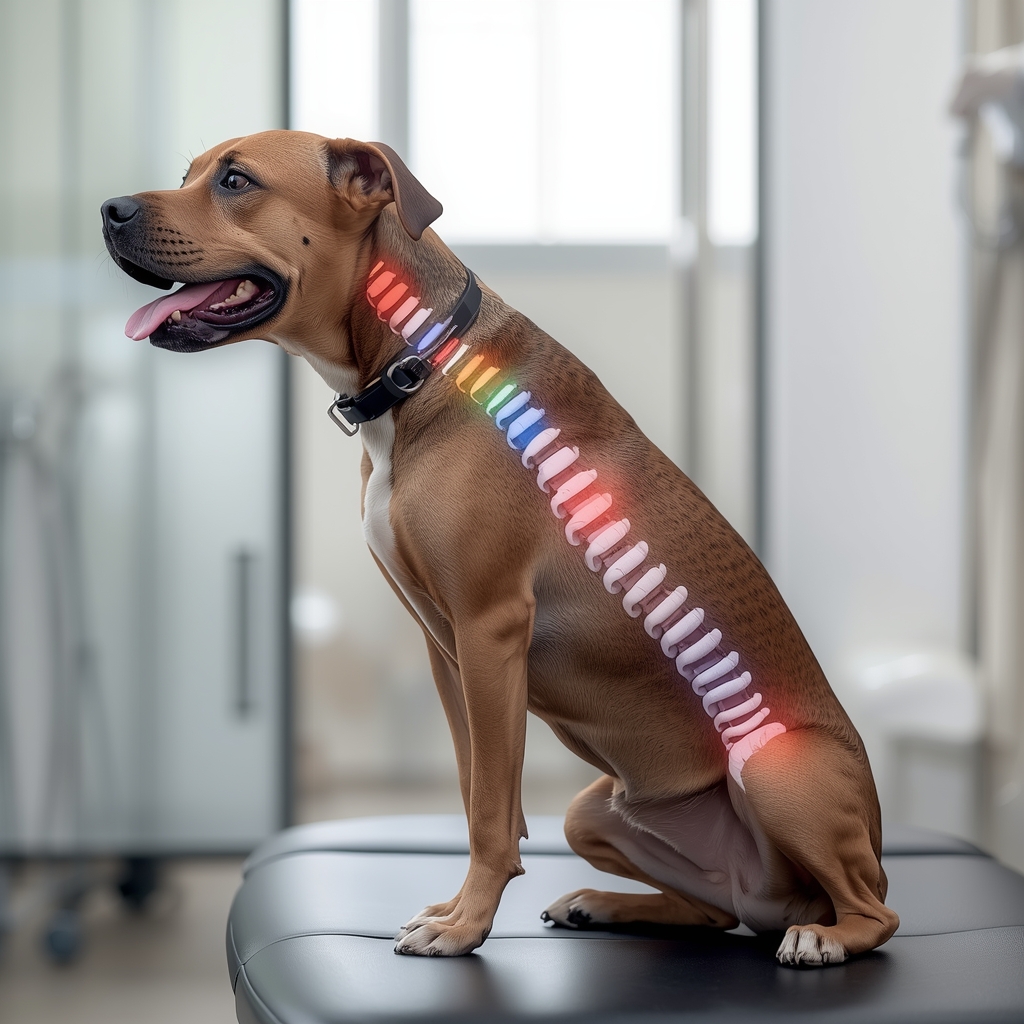
Animal chiropractic focuses on diagnosing and treating musculoskeletal issues in pets, particularly those involving the spine and joints. Common conditions include hip dysplasia, arthritis, and intervertebral disc disease, which can cause pain, reduced mobility, and discomfort. These issues often arise from aging, genetic predispositions, or physical strain. Chiropractic care for animals aims to restore proper alignment, improve nerve function, and enhance overall well-being. While veterinary oversight is critical, animal chiropractors use gentle adjustments and therapeutic techniques to address these conditions. Understanding the most prevalent musculoskeletal challenges helps pet owners recognize symptoms and seek appropriate care. This article explores key conditions and their management, emphasizing collaboration between veterinarians and chiropractors for optimal outcomes.
Common Conditions: Hip Dysplasia and Joint Dysfunction
Hip dysplasia, a developmental disorder affecting the hip joint, is one of the most frequently treated musculoskeletal conditions in animal chiropractic. It is common in larger dog breeds and can lead to pain, lameness, and arthritis. Chiropractic adjustments may help alleviate discomfort by improving joint mobility and reducing pressure on affected areas. However, management often involves a multidisciplinary approach, including weight control, exercise modification, and veterinary-prescribed medications. Similarly, joint dysfunction in other areas—such as the knees or shoulders—can benefit from chiropractic care to restore balance and function. Pet owners should consult both a veterinarian and a certified animal chiropractor to determine the best strategies for their pet’s specific needs.
Arthritis and Joint Inflammation in Pets
Arthritis, characterized by joint inflammation and degeneration, is a prevalent issue in older pets. It can affect any joint, causing stiffness, pain, and reduced activity levels. While arthritis is often managed through medication and lifestyle changes, animal chiropractic care may complement these efforts by improving joint alignment and nerve function. Techniques such as gentle spinal adjustments and soft tissue therapy can help reduce inflammation and enhance mobility. However, it is essential to note that chiropractic care should not replace veterinary treatment but rather work in tandem with it. Regular check-ups with a veterinarian ensure accurate diagnosis and monitoring, while a qualified chiropractor can provide supportive care to maintain comfort and quality of life for arthritic pets.
Intervertebral Disc Disease and Spinal Misalignments
Intervertebral disc disease (IVDD) occurs when the discs between spinal vertebrae herniate or degenerate, leading to pain, nerve compression, and mobility issues. This condition is commonly seen in dogs, particularly breeds like Dachshunds and Beagles. Chiropractic adjustments may help alleviate symptoms by realigning the spine and reducing pressure on affected nerves. However, IVDD often requires veterinary intervention, such as medication, physical therapy, or surgery, depending on severity. Animal chiropractors play a supportive role by addressing spinal misalignments that may exacerbate the condition. Pet owners should seek immediate veterinary care for suspected IVDD, with chiropractic care used as an adjunct to conventional treatments under professional guidance.
Lameness and Musculoskeletal Injuries in Animals
Lameness, or difficulty walking, is a common reason pets visit chiropractors. It can stem from injuries, overuse, or underlying conditions like ligament tears or muscle strain. Chiropractic care focuses on identifying and correcting musculoskeletal imbalances that contribute to lameness. Techniques such as spinal adjustments, muscle relaxation therapies, and rehabilitative exercises may help restore function and reduce pain. However, diagnosing the root cause of lameness often requires veterinary evaluation to rule out fractures, infections, or other serious issues. A collaborative approach between veterinarians and chiropractors ensures pets receive comprehensive care. Early intervention is key to preventing long-term complications and improving recovery outcomes.
Collaborative Management and Holistic Approaches
Effective management of musculoskeletal conditions in animals often involves a team-based approach. Veterinarians diagnose and address medical concerns, while animal chiropractors provide supportive care through adjustments and therapeutic techniques. This collaboration ensures pets receive balanced treatment that addresses both structural and functional aspects of their health. Holistic methods, such as acupuncture, massage, and exercise therapy, may also be integrated to enhance recovery. Pet owners should prioritize communication with both professionals to create a tailored care plan. While chiropractic care can offer relief and improve mobility, it is not a substitute for medical treatment. Regular monitoring and adjustments help maintain long-term wellness, emphasizing the importance of a multidisciplinary strategy for optimal pet health.














