
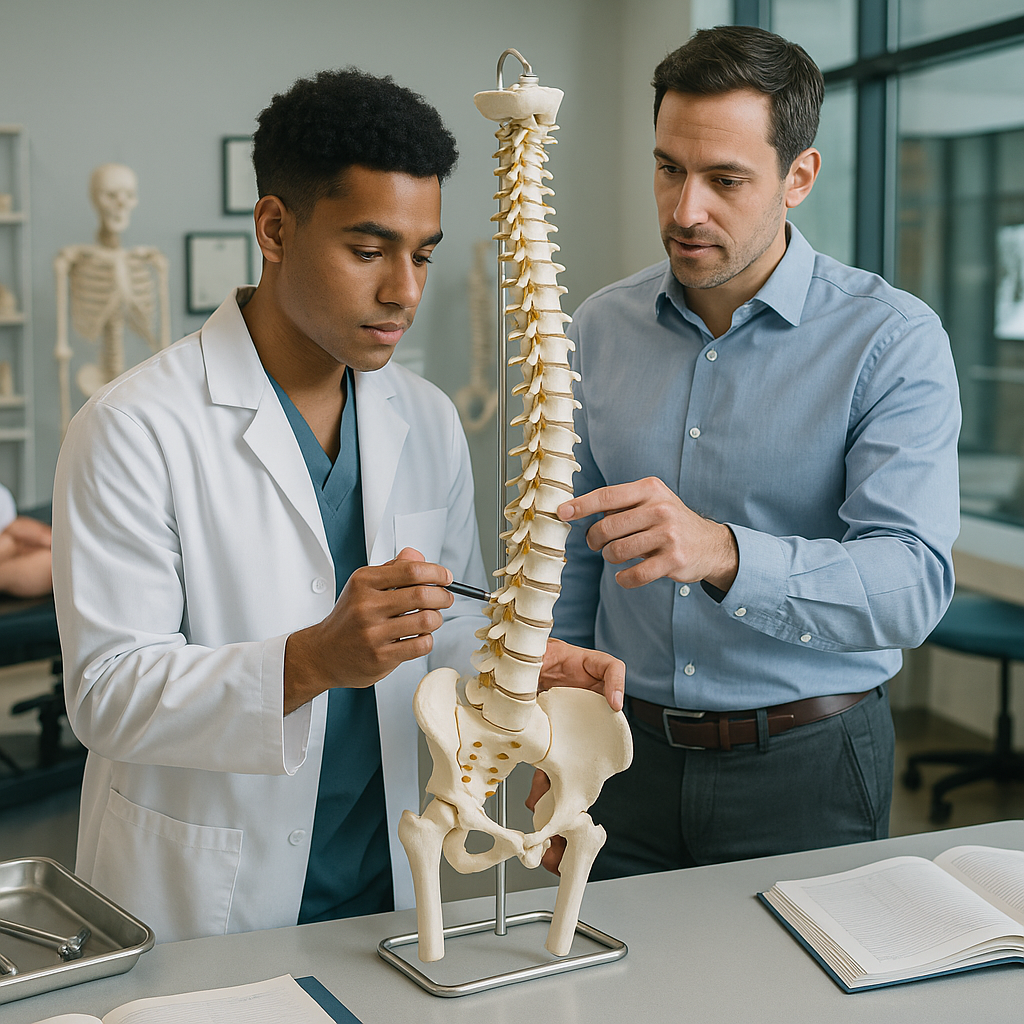
Understanding the Educational Path to Becoming a Chiropractor
Chiropractic care is a respected and growing healthcare profession that focuses on diagnosing and treating musculoskeletal disorders, particularly those involving the spine. If you are considering a career in this field, understanding the chiropractic school requirements and the full scope of chiropractor education is essential. The path to becoming a licensed chiropractor is rigorous, demanding a strong academic foundation, hands-on clinical training, and a commitment to lifelong learning.
Undergraduate Education and Prerequisite Coursework
Before applying to a chiropractic program, prospective students must complete a significant amount of undergraduate education. While some chiropractic colleges accept applicants with as few as 90 undergraduate credit hours, most competitive applicants hold a bachelor’s degree. Meeting the chiropractic degree prerequisites at the undergraduate level is a critical first step in your journey.
Most accredited chiropractic institutions require the following prerequisite courses:
- Biology with Lab: Typically two semesters, covering general biology and life science principles
- General Chemistry with Lab: Two semesters focusing on foundational chemical principles
- Organic Chemistry with Lab: At least one semester is commonly required
- Physics with Lab: One to two semesters of general physics
- Psychology: An introductory course in human psychology
- English and Communication: Courses that develop strong written and verbal communication skills
- Social Sciences or Humanities: Elective credits that contribute to a well-rounded education
Maintaining a competitive GPA—typically 3.0 or higher—is strongly recommended to gain admission into a reputable chiropractic college. Some programs also require standardized test scores, letters of recommendation, and documented clinical observation hours.
Doctoral-Level Chiropractic Program
Upon fulfilling undergraduate prerequisites, students enroll in a Doctor of Chiropractic (D.C.) program, which is the cornerstone of formal chiropractor education. These programs are accredited by the Council on Chiropractic Education (CCE) in the United States and take approximately three to four years to complete, comprising a minimum of 4,200 instructional hours.
The chiropractic doctoral curriculum is divided into two primary phases:
1. Basic Sciences Phase
During the first one to two years, students focus heavily on the foundational sciences that underpin chiropractic care. Coursework in this phase typically includes:
- Human Anatomy and Dissection
- Physiology
- Biochemistry
- Pathology
- Microbiology and Immunology
- Neuroscience
- Biomechanics
- Nutrition and Public Health
This phase lays the intellectual groundwork necessary for students to understand the complex biological systems they will work with throughout their careers.
2. Clinical Sciences and Patient Care Phase
The latter portion of the program transitions students into clinical practice. The chiropractic training requirements during this stage are designed to develop diagnostic skills and hands-on patient care competencies. Coursework and training typically include:
- Chiropractic Principles and Technique
- Spinal and Extremity Adjusting Techniques
- Diagnostic Imaging and Radiology
- Orthopedics and Neurology
- Physical and Clinical Diagnosis
- Rehabilitation and Therapeutic Modalities
- Pediatric and Geriatric Chiropractic Care
- Ethics and Practice Management
Students also accumulate a mandatory number of supervised clinical hours at on-campus or affiliated clinics, where they treat real patients under the guidance of experienced faculty clinicians. This practical exposure is invaluable in preparing graduates for independent practice.
National Board Examinations
Graduating from an accredited chiropractic program is not the final step. To become a licensed practitioner, candidates must pass the National Board of Chiropractic Examiners (NBCE) examinations, which are divided into four parts:
- Part I: Covers basic sciences including anatomy, physiology, chemistry, and pathology
- Part II: Focuses on clinical sciences such as diagnosis, chiropractic principles, and associated clinical sciences
- Part III: Evaluates case management and clinical competency
- Part IV: Assesses practical skills including technique and diagnostic imaging interpretation
Some states also require additional written or practical examinations as part of their licensure process, so it is important for aspiring chiropractors to research the specific requirements of the state in which they intend to practice.
State Licensure Requirements
Once national board exams are successfully completed, graduates must apply for licensure in their state of practice. Each state has its own licensing board and may impose additional chiropractic training requirements beyond the national standards.














