
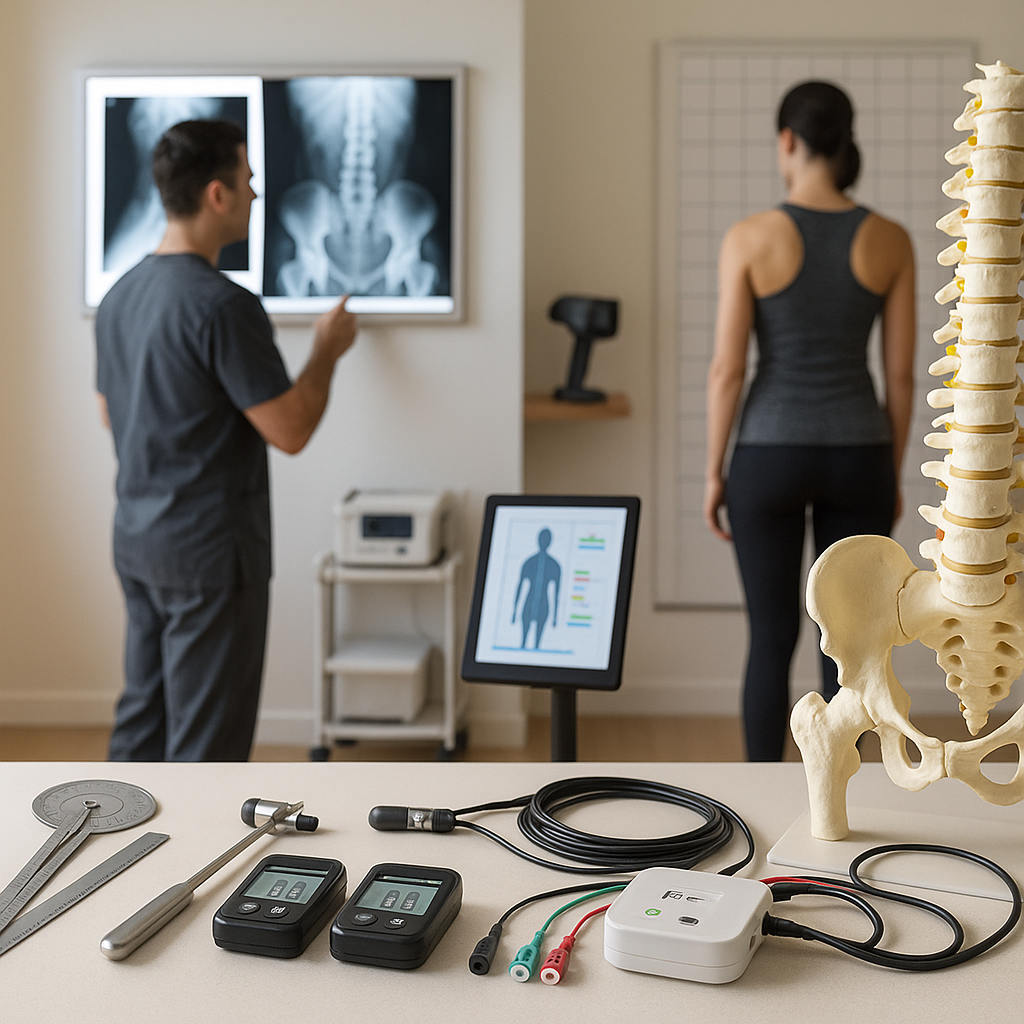
Understanding Chiropractic Diagnostic Methods
When you visit a chiropractor for the first time, you might wonder what happens before any treatment begins. Like any healthcare professional, chiropractors rely on a comprehensive set of diagnostic tools and techniques to understand your condition, identify the root cause of your discomfort, and develop an appropriate treatment plan. These chiropractic diagnostic methods are both thorough and evidence-based, designed to give practitioners a complete picture of your musculoskeletal health.
From physical examinations to advanced imaging technology, chiropractors use a wide variety of instruments and assessments to ensure that every patient receives safe, targeted, and effective care. Understanding these tools can help you feel more confident and informed during your chiropractic visit.
The Initial Patient Consultation and Health History
Before any physical examination or testing takes place, chiropractors begin with a detailed patient consultation. This foundational step involves gathering a comprehensive health history that includes:
- The nature, location, and duration of your current symptoms
- Previous injuries, surgeries, or chronic conditions
- Family medical history relevant to musculoskeletal disorders
- Lifestyle factors such as occupation, physical activity, and posture habits
- Current medications and supplements
This initial conversation allows the chiropractor to form an early understanding of potential contributing factors and guides the selection of appropriate chiropractor exam tools and assessments. It also helps rule out conditions that may require referral to another healthcare provider.
Physical and Postural Assessment
One of the most fundamental spinal assessment tools in chiropractic practice is the physical examination. During this phase, chiropractors conduct a careful visual and hands-on evaluation of the patient’s body. This typically includes:
Postural Analysis
Chiropractors observe how a patient stands, sits, and moves. Abnormal posture can reveal underlying spinal misalignments, muscle imbalances, or joint dysfunctions. Some clinics use posture grid boards or digital posture analysis software to measure deviations with greater precision.
Range of Motion Testing
The chiropractor will ask you to move your neck, back, arms, or legs in specific directions to evaluate how far and how freely those joints move. A goniometer — a device that measures joint angles — is commonly used during this process. Restricted or painful movement can indicate joint dysfunction, nerve involvement, or muscle tightness.
Orthopedic and Neurological Tests
A variety of standardized orthopedic tests help chiropractors identify the source of pain and dysfunction. These may include:
- Straight Leg Raise Test: Used to detect sciatic nerve involvement or lumbar disc problems
- Kemp’s Test: Evaluates lumbar facet joint irritation and nerve root compression
- Spurling’s Test: Assesses cervical nerve root compression in the neck
- Phalen’s and Tinel’s Tests: Used to identify carpal tunnel syndrome
- Valsalva Maneuver: Helps assess for spinal disc pathology
Neurological testing may also involve checking deep tendon reflexes using a reflex hammer, assessing sensation with a pinwheel or light touch, and evaluating muscle strength to detect nerve-related weaknesses.
Spinal Palpation
Palpation is one of the most refined and essential chiropractic diagnostic methods. Using their hands, chiropractors systematically feel along the spine and surrounding soft tissues to detect:
- Vertebral misalignments (subluxations)
- Areas of tenderness or inflammation
- Muscle spasms and trigger points
- Abnormal tissue texture or temperature changes
- Restricted joint movement
Motion palpation, a specific form of this technique, involves assessing the movement of individual spinal segments as the patient moves. This helps identify joints that are hypomobile (not moving enough) or hypermobile (moving too much), both of which can contribute to pain and dysfunction.
Diagnostic Imaging Tools
When physical examination findings suggest a more complex condition, chiropractors may order or take diagnostic images. These chiropractic testing equipment options provide a visual representation of the spine and surrounding structures.
X-Ray (Radiography)
X-rays are one of the most commonly used imaging tools in chiropractic practice. They allow the chiropractor to evaluate:
- Spinal alignment and curvature (such as scoliosis or kyphosis)
- Vertebral fractures or bone spurs
- Disc space narrowing
- Degenerative joint or disc disease
- Congenital abnormalities
Many chiropractic offices are equipped with their own digital X-ray systems, which produce high-quality images with lower radiation exposure compared to traditional film X-rays.
Magnetic Resonance Imaging (MRI)
While chiropractors typically refer patients to external imaging centers for MRI scans, they are well-trained in interpreting these images.













