
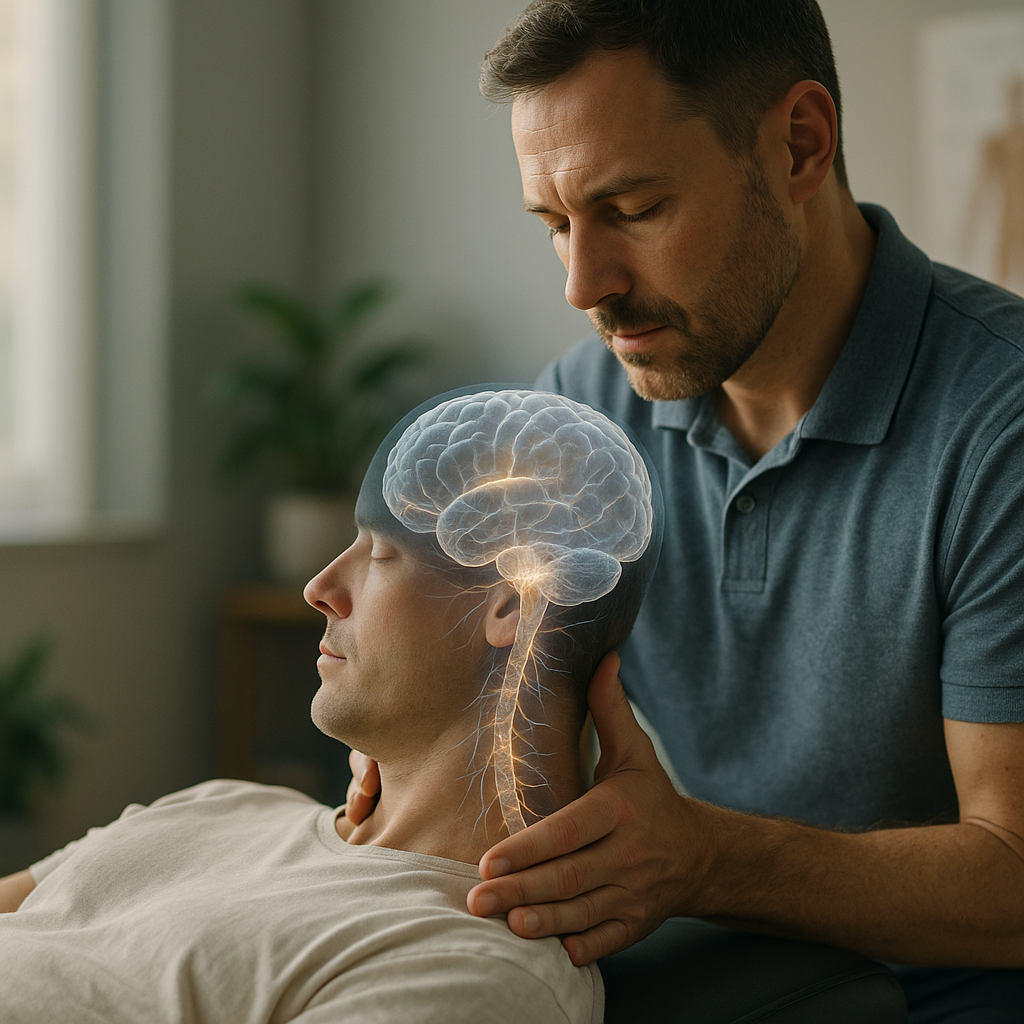
Understanding Neuroplasticity and Its Relevance to Chiropractic Care
The human brain is not a static organ. Throughout our lives, it continuously reorganizes itself by forming new neural connections in response to learning, experience, injury, and environmental stimuli. This remarkable capacity is known as neuroplasticity — the brain’s ability to adapt, rewire, and heal itself. In recent years, the relationship between neuroplasticity chiropractic practice has gained significant attention within both the scientific and clinical communities, offering a compelling new perspective on how spinal health directly influences brain function.
Chiropractic care has long been associated with musculoskeletal health, particularly the treatment of back pain, neck discomfort, and joint dysfunction. However, emerging research suggests that its benefits extend far beyond the physical relief of pain. By addressing spinal misalignments and restoring proper nervous system communication, chiropractic interventions may actively support and promote neural adaptation — a key component of neuroplasticity.
The Connection Between the Spine and the Brain
To understand how chiropractic care influences neuroplasticity, one must first appreciate the intimate relationship between brain plasticity spine mechanics. The spine houses and protects the spinal cord — a critical pathway through which the brain communicates with every organ, tissue, and cell in the body. When vertebral subluxations (misalignments) occur, they can interfere with this communication, disrupting the flow of sensory information to the brain.
The brain relies heavily on sensory input from the spine and surrounding musculature to maintain its organizational integrity. Proprioceptive signals — those that inform the brain about body position and movement — originate largely from spinal joints, muscles, and ligaments. When these signals are altered or diminished due to spinal dysfunction, the brain receives incomplete or distorted information, which can impair its ability to adapt and function optimally.
Research conducted at the New Zealand College of Chiropractic has demonstrated measurable changes in brain activity following chiropractic adjustments. Specifically, studies using electroencephalography (EEG) and functional assessments have shown improvements in cortical sensorimotor processing, muscle strength, and reaction times — all indicators of enhanced neural function and plasticity.
Key Chiropractic Approaches That Support Neuroplasticity
Chiropractors employ a variety of techniques designed to restore proper spinal alignment and optimize nervous system function. Below are some of the most prominent approaches that have been linked to neuroplastic benefits:
1. Spinal Manipulation Therapy (SMT)
Spinal manipulation therapy is the cornerstone of chiropractic practice. By applying controlled, precise force to specific spinal joints, chiropractors aim to restore normal range of motion and reduce neural interference. From a neuroplasticity standpoint, SMT stimulates mechanoreceptors within the spinal joints, generating a surge of proprioceptive input to the brain. This influx of sensory information encourages the brain to reorganize and refine its neural pathways, supporting adaptive changes in cortical mapping.
Studies have found that spinal manipulation can influence the prefrontal cortex — the region of the brain responsible for executive function, decision-making, and emotional regulation. This suggests that regular chiropractic adjustments may contribute to broader cognitive and neurological health beyond simple pain relief.
2. Sensorimotor Rehabilitation Exercises
Many chiropractic practitioners integrate targeted sensorimotor rehabilitation exercises into their treatment protocols. These exercises are designed to retrain the nervous system by challenging balance, coordination, and proprioception. Activities such as balance board training, controlled movement sequences, and neuromuscular re-education exercises actively engage the cerebellum and other brain regions involved in motor learning.
When combined with spinal adjustments, sensorimotor exercises amplify the neuroplastic effects of chiropractic brain health interventions by reinforcing new neural pathways formed during treatment. This integrated approach is particularly beneficial for patients recovering from neurological conditions, sports injuries, or chronic pain disorders.
3. Instrument-Assisted Adjusting Techniques
Instrument-assisted techniques, such as the Activator Method, utilize a handheld mechanical device to deliver precise, low-force adjustments to the spine. This approach is particularly valuable for patients who may not tolerate manual manipulation, including the elderly, children, or individuals with osteoporosis.
From a neurological perspective, these techniques provide consistent, reproducible mechanical stimulation to spinal joints, generating reliable proprioceptive feedback that supports neural adaptation chiropractic outcomes. The precision of instrument-assisted methods allows for targeted treatment of specific spinal segments, making it easier to address localized areas of neural interference.
4. Cervical Spine Adjustments and Cognitive Function
The cervical spine, located in the neck region, plays a particularly influential role in brain health. Rich concentrations of proprioceptors and mechanoreceptors in the upper cervical region send a continuous stream of sensory data to the brainstem and cerebellum — areas critical for balance, coordination, and cognitive processing.
Dysfunction in the cervical spine can disrupt this sensory input, potentially contributing to symptoms such as brain fog, difficulty concentrating, dizziness, and headaches. Targeted cervical adjustments aimed at restoring alignment and joint mobility have been associated with improvements in cognitive clarity and neurological function, further underscoring the connection between brain plasticity spine health and chiropractic care.
5. Soft Tissue Therapies and Fascial Release
In addition to spinal manipulation, many chiropractors incorporate soft tissue therapies such as myofascial release, trigger point therapy, and instrument-assisted soft tissue mobilization (IASTM). These techniques address tension and restriction in the muscles and connective tissue surrounding the spine, reducing mechanical stress on the nervous system.
By relieving myofascial restrictions, these therapies help normalize afferent (sensory) signaling to the brain, creating a more favorable environment for neuroplastic change.













