
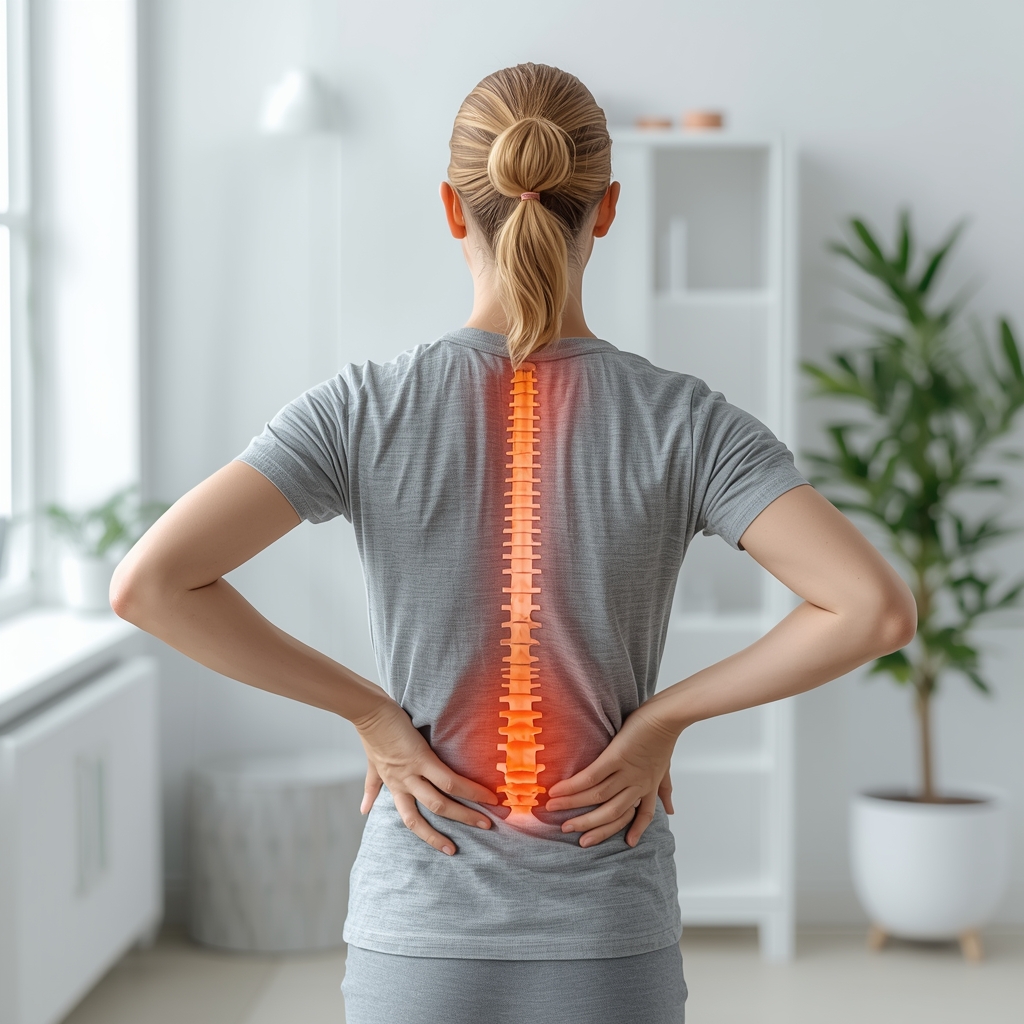
Understanding the Graston Technique
The Graston Technique is a soft tissue mobilization method using specialized instruments to detect and treat adhesions or scar tissue in muscles, tendons, and ligaments. It is commonly used for repetitive strain injuries (RSIs) caused by overuse or repetitive motions. The technique aims to break down scar tissue, improve range of motion, and reduce pain. While not a standalone solution, it is often integrated into broader treatment plans. Clinicians emphasize that its effectiveness depends on proper application and patient readiness. Patients should consult a qualified provider to determine if this approach aligns with their condition and goals.
Comprehensive Assessment Before Treatment
Before applying the Graston Technique, a thorough evaluation is critical to identify the root cause of the RSI. This includes reviewing the patient’s medical history, activity levels, and symptoms. Imaging or physical exams may help pinpoint affected areas. A skilled practitioner will assess tissue texture, mobility, and pain levels to tailor the session. Skipping this step risks misdiagnosis or exacerbating existing issues. Patients should communicate openly about their symptoms and any prior treatments. A personalized plan ensures the Graston Technique addresses specific needs without causing additional strain.
Proper Technique Application
Successful Graston Technique sessions require precise execution by trained professionals. The instruments are used to glide over the skin, targeting areas of restriction. Pressure and movement are adjusted based on the patient’s tolerance and tissue response. Overapplication can lead to bruising or discomfort, while insufficient force may yield minimal results. Practitioners often combine this with stretching or mobilization exercises to enhance outcomes. Patients should avoid strenuous activity immediately after treatment to allow tissues to adapt. Regular follow-ups help track progress and adjust the approach as needed.
Integrating With Other Therapies
The Graston Technique is most effective when paired with complementary treatments. Physical therapy exercises, such as stretching and strengthening routines, can reinforce its benefits. Manual therapies like massage or Active Release Technique (ART) may also be used to address muscle imbalances. Patients might benefit from ergonomic adjustments or lifestyle modifications to prevent recurrence. A multidisciplinary approach ensures holistic care, addressing both symptoms and underlying causes. Chiropractors often collaborate with other specialists to create cohesive treatment strategies. Open communication between providers and patients is key to optimizing results.
Patient Education and Compliance
Patients play a vital role in the success of Graston Technique treatments. They should understand the purpose of the therapy, expected outcomes, and potential side effects like temporary soreness. Adhering to home care instructions—such as applying ice, avoiding overuse, or performing prescribed stretches—supports recovery. Education on posture, ergonomics, and activity modification can prevent future strain. Consistent follow-ups with the provider help monitor progress and adjust the plan. Patients must report any unusual symptoms or lack of improvement. Empowering individuals with knowledge fosters active participation in their healing journey.
Safety and Precautions
Safety is paramount when using the Graston Technique. Practitioners must avoid applying the instruments over bony prominences, joints, or areas with open wounds. Patients with certain conditions, such as osteoporosis or bleeding disorders, may require modified approaches. Overuse of the technique can lead to tissue damage or increased inflammation. Monitoring for adverse reactions—like excessive bruising or pain—is essential. Providers should educate patients on recognizing warning signs and seeking immediate care if needed. Following established protocols and maintaining open dialogue ensures the treatment remains safe and effective for all involved.












