
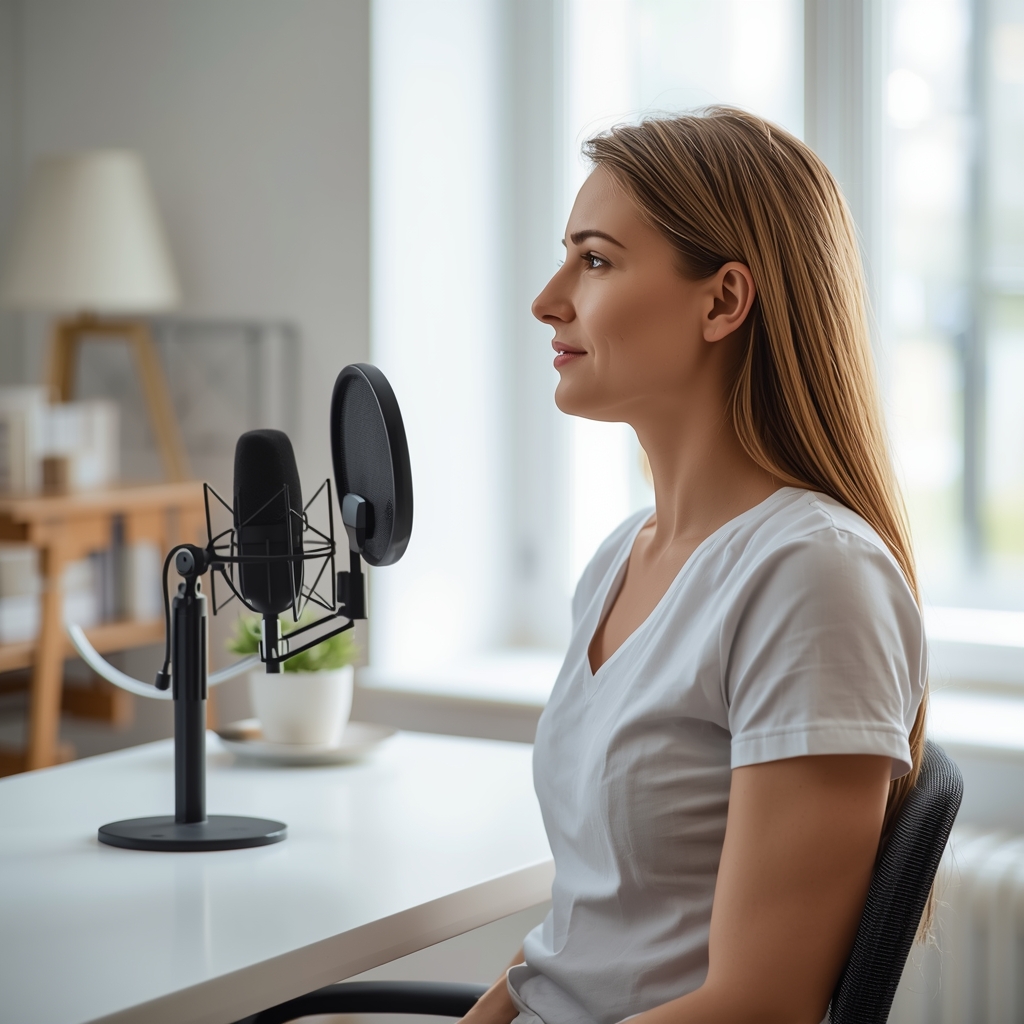
Know Your Audience and Define Your Niche
Begin by identifying your target listeners—whether they’re patients seeking spinal health education, fellow healthcare professionals, or general wellness enthusiasts. Tailoring content to their needs ensures relevance. For example, patients may want practical tips for posture or pain management, while professionals might appreciate insights into spinal anatomy or treatment advancements. Define a clear niche within spinal health, such as preventive care, injury recovery, or holistic wellness, to build a focused brand. Research common questions or concerns in your audience’s demographic to shape episode topics. This approach not only increases engagement but also positions your podcast as a trusted resource for specific spinal health needs.
Plan Engaging, Educational Content
Structure episodes around topics that balance education with practical value. Break down complex concepts like spinal alignment or nerve function into digestible segments. Use relatable analogies, such as comparing the spine to a highway for nerve signals, to simplify ideas. Include actionable takeaways, like daily stretches or ergonomic adjustments, to empower listeners. Mix formats—interviews with experts, listener Q&As, or case studies—to maintain variety. Avoid jargon, and instead, focus on clear, evidence-based explanations. By prioritizing clarity and relevance, your podcast becomes a go-to source for both foundational knowledge and real-world applications in spinal health and wellness.
Use Varied Formats to Maintain Interest
Diversify your podcast’s structure to keep listeners engaged. Incorporate segments like “Spine Spotlight” to deep-dive into conditions such as sciatica or herniated discs, or “Quick Tips” for time-sensitive advice on posture or exercise. Live Q&A episodes foster community interaction, while storytelling formats—such as patient success stories (with consent)—add emotional resonance. Consider guest spots with chiropractors, physical therapists, or nutritionists to offer multidisciplinary perspectives. Short, punchy episodes on topics like “5 Myths About Back Pain” can also attract busy listeners. By experimenting with formats, you cater to different learning styles and maintain a dynamic, evolving show that keeps audiences coming back.
Collaborate With Experts and Influencers
Invite guest speakers, such as chiropractors, physical therapists, or wellness experts, to add credibility and fresh insights. Collaborations can provide listeners with authoritative perspectives on topics like spinal decompression or integrative health approaches. Feature local practitioners or industry leaders for interviews, which can also expand your reach through their networks. Consider cross-promoting with other wellness podcasts or YouTube channels to tap into broader audiences. These partnerships not only enrich your content but also position your podcast as a hub for comprehensive spinal health education. Always ensure guests align with your mission and provide value without overstepping into medical advice, maintaining a focus on general guidance.
Incorporate Storytelling and Real-Life Examples
Humanize your content by sharing relatable stories, such as how a patient improved their mobility through consistent care or how a lifestyle change reduced chronic pain. Use anonymized case studies to illustrate key points without violating confidentiality. Storytelling helps listeners connect emotionally and understand abstract concepts like nerve function or spinal mechanics. Pair these narratives with actionable steps, like specific exercises or ergonomic adjustments, to show practical applications. Avoid dramatizing outcomes, and instead focus on realistic, measurable improvements. This approach makes complex topics more accessible while reinforcing the value of spinal health in everyday life.
Promote Consistently and Engage Your Audience
Regularly promote episodes through social media, email newsletters, and partnerships with local clinics or wellness groups. Encourage listeners to leave reviews, share episodes, or submit questions for future episodes. Engage with your audience by responding to comments or creating a community forum for discussions. Offer exclusive content, such as bonus episodes or downloadable resources, to reward loyal listeners. Highlight listener feedback in episodes to foster a sense of participation. By building a two-way relationship, you turn casual listeners into active advocates. Consistent promotion and engagement ensure your podcast remains visible and valued within the spinal health community.













