
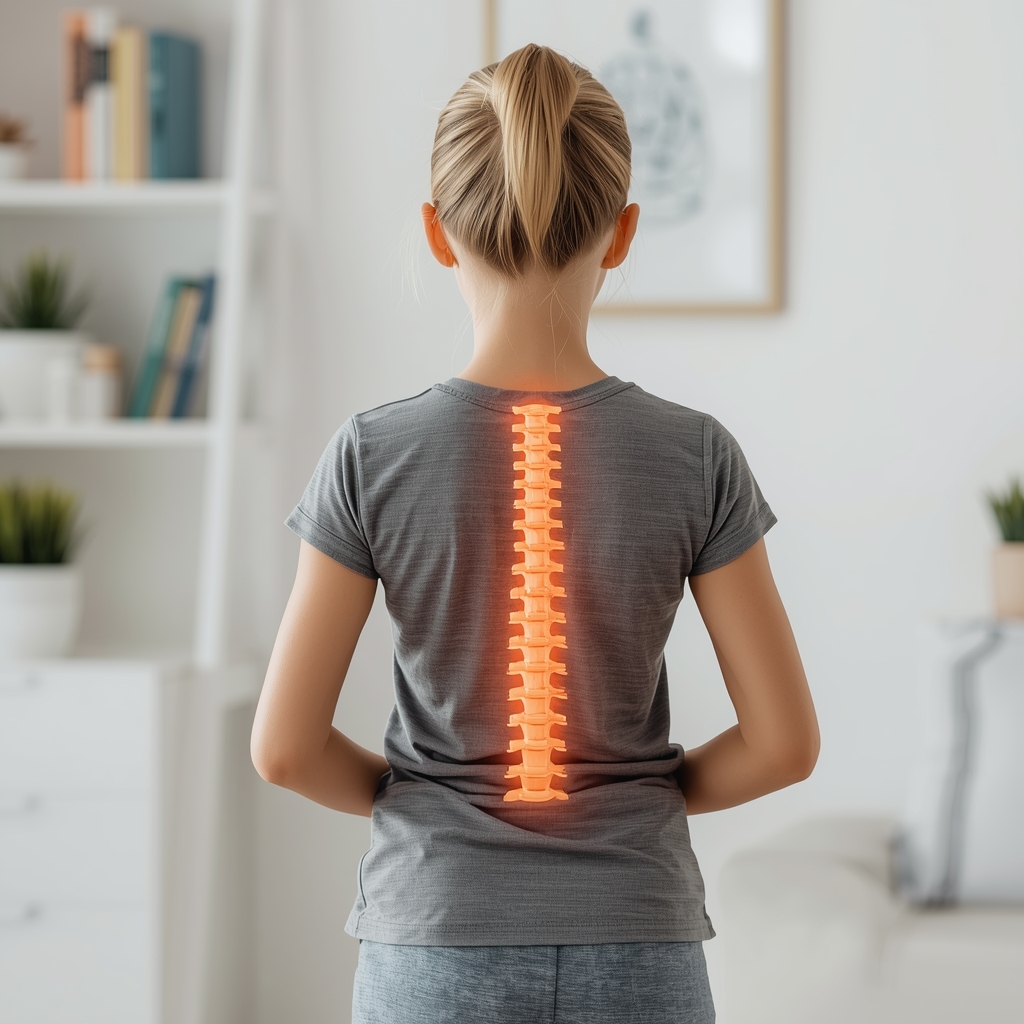
Understanding Pediatric Scoliosis and Chiropractic Care
Scoliosis in children involves abnormal spinal curvature that can affect posture, mobility, and overall development. While mild cases may require monitoring, more severe instances often benefit from specialized care. Chiropractors play a key role in managing scoliosis by focusing on spinal alignment and nerve function. Unlike adult treatments, pediatric care prioritizes gentle, growth-appropriate techniques that accommodate a child’s developing body. Families often serve as critical partners in this process, ensuring consistent follow-ups and supporting at-home exercises. Understanding the unique needs of children helps chiropractors create personalized plans that address both physical and emotional well-being.
Key Differences in Treatment Approaches
Chiropractic care for children with scoliosis differs from adult treatments due to factors like growth potential and spinal flexibility. Techniques such as low-force adjustments, soft tissue therapy, and corrective exercises are commonly used to avoid overstimulating developing bones and muscles. Adults may receive more aggressive manipulations, but children’s care emphasizes gradual, non-invasive interventions. Additionally, pediatric treatment often involves family education to reinforce posture habits and movement patterns. These differences highlight the importance of age-specific protocols, ensuring safety while promoting long-term spinal health. Chiropractors tailor their methods to each child’s stage of development and the severity of their condition.
Family Involvement in Care Plans
Family dynamics significantly influence the effectiveness of chiropractic care for children with scoliosis. Parents and caregivers are often responsible for monitoring symptoms, scheduling appointments, and encouraging adherence to recommended exercises. Open communication between families and chiropractors ensures care plans align with the child’s lifestyle and needs. For instance, school activities, sports, or home routines may impact treatment frequency or adjustments. Educating families about scoliosis and its management empowers them to make informed decisions. This collaborative approach fosters trust and consistency, which are vital for long-term success in managing spinal health in children.
Monitoring Growth and Development
Children with scoliosis require regular monitoring to track spinal growth and treatment progress. Chiropractors often collaborate with pediatricians to assess curvature changes and adjust care plans accordingly. Growth spurts can influence spinal alignment, necessitating more frequent evaluations during critical developmental phases. Families should be vigilant about signs of worsening symptoms, such as uneven shoulders or back pain, and report them promptly. By integrating chiropractic care with routine medical checkups, providers can address issues early and prevent complications. This proactive approach supports the child’s physical development while minimizing the risk of severe spinal deformity.
Safety and Gentle Techniques for Children
Chiropractic care for children with scoliosis emphasizes safety, using techniques that are gentle and suitable for developing bodies. Methods like diversified adjustments, activator tools, and myofascial release are commonly employed to avoid excessive force. These approaches reduce the risk of injury while promoting natural spinal alignment. Chiropractors also consider the child’s comfort and emotional readiness, creating a positive environment for treatment. Families should discuss any concerns about techniques with their provider to ensure transparency. By prioritizing safety and customization, chiropractors help children receive effective care without unnecessary stress or discomfort.
Collaborating with Other Healthcare Providers
Effective scoliosis management in children often involves a multidisciplinary approach. Chiropractors may work alongside orthopedic specialists, physical therapists, and pediatricians to create comprehensive care plans. This collaboration ensures that spinal adjustments complement other treatments, such as bracing or exercise programs. For example, a chiropractor might coordinate with a physical therapist to design a regimen that supports both posture and muscle strength. Families benefit from this teamwork through consistent guidance and reduced treatment conflicts. Open dialogue between providers and caregivers is essential to address the child’s unique needs and achieve the best possible outcomes.














