
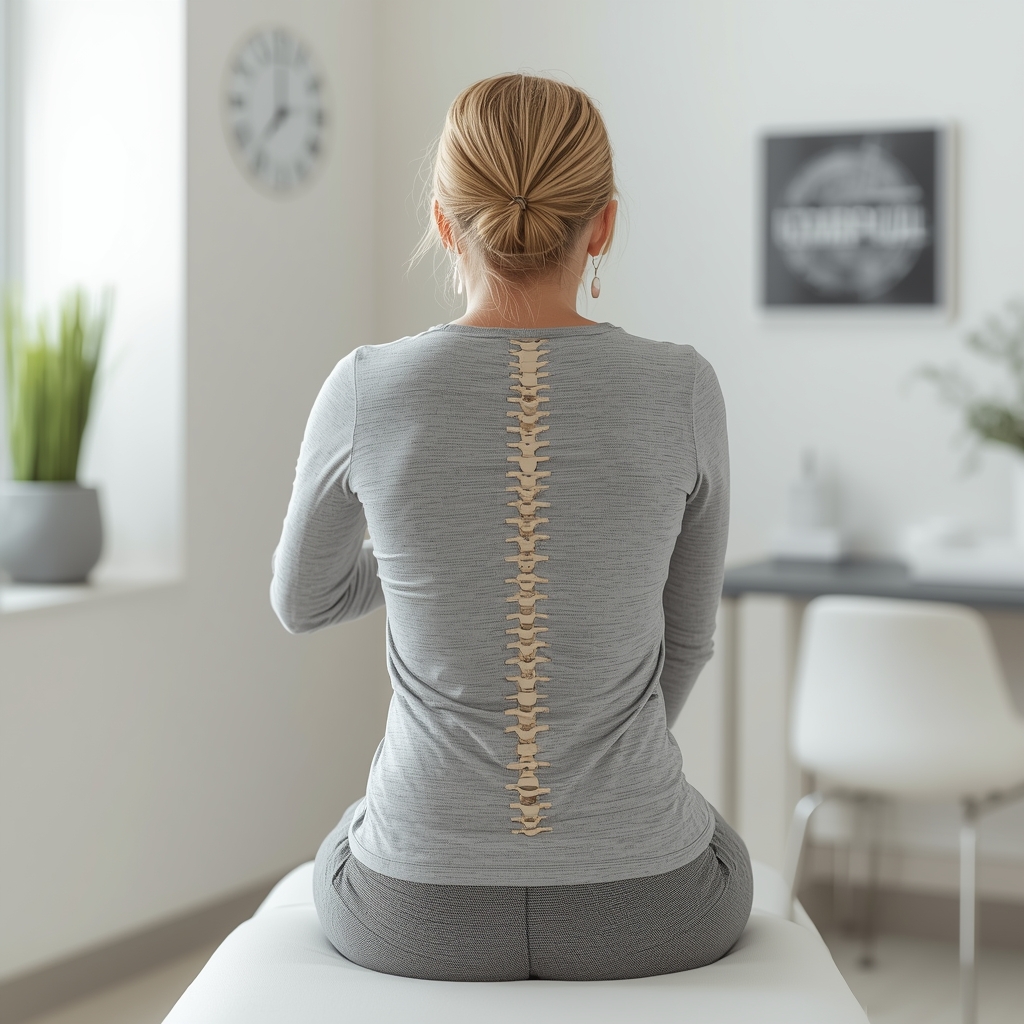
Understanding Scoliosis in Adolescents
Scoliosis is a spinal condition characterized by an abnormal sideways curvature, often diagnosed during adolescence. While mild cases may not cause symptoms, moderate scoliosis can lead to postural imbalances, discomfort, or breathing difficulties. Chiropractic care focuses on managing symptoms and slowing progression through non-invasive methods. It is important to note that chiropractic adjustments are not a cure but a supportive approach. Treatment plans are typically tailored to the individual’s curvature severity, age, and overall health. Regular monitoring by a qualified chiropractor is essential to track changes and adjust strategies as needed. Adolescents may benefit from a combination of spinal adjustments, exercises, and lifestyle modifications to maintain mobility and reduce strain on the spine.
Spinal Manipulation Techniques
Chiropractic adjustments for scoliosis often involve gentle spinal manipulations to improve alignment and reduce pressure on nerves. Techniques such as the Diversified, Gonstead, or Activator methods may be used, depending on the patient’s needs. These adjustments aim to restore balance to the musculoskeletal system and promote natural healing. However, the effectiveness of specific techniques can vary, and a chiropractor will assess the best approach based on the individual’s condition. It is crucial to seek care from a provider experienced in pediatric or adolescent scoliosis to ensure safety and appropriateness. While adjustments may alleviate discomfort, they should be part of a broader care plan that includes other therapeutic strategies.
Corrective Exercises and Posture Training
Complementary to spinal adjustments, corrective exercises play a key role in managing scoliosis. These exercises focus on strengthening core muscles, improving flexibility, and correcting postural imbalances. Techniques like the Schroth method or specific stretching routines may be recommended to support spinal stability. Posture training helps adolescents develop habits that reduce strain on the spine during daily activities. A chiropractor can guide patients in performing these exercises safely and consistently. While exercises alone cannot reverse curvature, they can enhance the benefits of chiropractic care and contribute to long-term spinal health. Regular practice, combined with professional oversight, is essential for optimal results.
Soft Tissue Therapies
Soft tissue therapies, such as massage or myofascial release, are often used alongside spinal adjustments to address muscle tension and improve mobility. Scoliosis can lead to uneven muscle development, causing discomfort and limiting movement. These therapies help relax tight muscles, increase blood flow, and reduce pain. Chiropractors may incorporate tools like foam rollers or specialized techniques to target specific areas. While not a primary treatment, soft tissue work can enhance the effectiveness of other interventions. It is important to discuss these options with a chiropractor to ensure they align with the overall care plan. Patients should also be aware that results may vary and require consistent sessions for lasting benefits.
Monitoring Progress and Adjusting Care
Regular follow-ups with a chiropractor are critical for tracking scoliosis progression and evaluating the effectiveness of treatments. X-rays or physical exams may be used to assess changes in spinal curvature over time. Adjustments and therapies can be modified based on these findings to better meet the patient’s needs. Adolescents may experience growth spurts that affect their condition, requiring more frequent monitoring. Open communication between the patient, family, and chiropractor ensures that care remains responsive and effective. It is also important to address any new symptoms or concerns promptly. By staying proactive, patients can maximize the benefits of chiropractic care while minimizing potential complications.
When to Seek Additional Medical Evaluation
While chiropractic care can be beneficial, it is not a substitute for medical evaluation in certain cases. If scoliosis progresses rapidly or causes significant pain, a chiropractor may recommend consulting an orthopedic specialist for further assessment. Bracing or surgical options may be considered for severe curves, and a multidisciplinary approach is often necessary. Adolescents and their families should discuss any concerns about treatment effectiveness with their chiropractor, who can facilitate referrals when needed. It is also important to report new symptoms, such as numbness or weakness, which could indicate a more complex issue. Chiropractic care works best as part of a comprehensive health strategy, with input from various healthcare professionals as required.













