
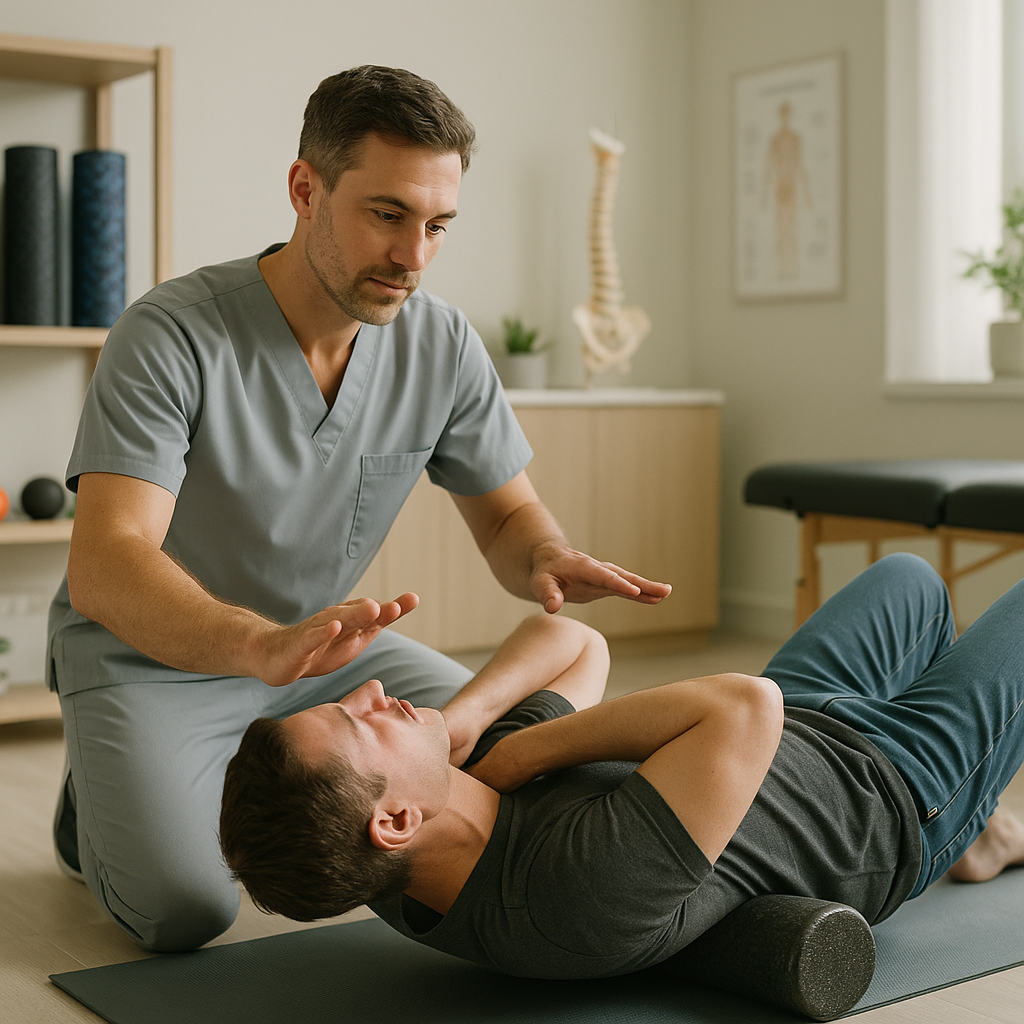
Introduction to Foam Rollers in Chiropractic Care
Foam rollers have become an increasingly prominent tool in modern chiropractic practice, offering patients an accessible and effective means of supporting their musculoskeletal health. Whether used in a clinical setting or recommended for home use, foam rollers serve as a bridge between professional chiropractic treatment and daily self-care routines. Understanding the role of foam roller chiropractic techniques can help patients make the most of their treatment plans and achieve lasting relief from pain and tension.
From myofascial foam rolling to targeted spine foam roller exercises, these cylindrical tools offer a wide range of therapeutic applications. This article explores how chiropractors incorporate foam rollers into patient care, why they are recommended, and how you can use them safely and effectively.
What Is a Foam Roller and How Does It Work?
A foam roller is a cylindrical piece of dense foam, typically ranging from six to thirty-six inches in length and available in various densities. When a person applies body weight onto the roller and moves across it, the roller exerts sustained pressure on the soft tissues beneath the skin, including muscles, fascia, tendons, and ligaments.
This mechanism is similar to the manual pressure applied during a professional massage. The sustained pressure encourages blood flow to the targeted area, helps break up adhesions in connective tissue, and promotes the release of muscular tension. In chiropractic care, this principle is harnessed to enhance the effectiveness of spinal adjustments, improve mobility, and accelerate recovery.
The Role of Myofascial Foam Rolling in Chiropractic Treatment
One of the most significant applications of foam rollers in chiropractic care is myofascial foam rolling. The fascia is a web-like connective tissue that surrounds and supports every muscle in the body. When fascia becomes tight, restricted, or develops adhesions — often referred to as “knots” — it can cause significant pain, reduced flexibility, and compromised movement patterns.
Myofascial release is a therapeutic technique used by chiropractors to address these restrictions. Foam rolling mimics this process by applying consistent pressure to specific areas, encouraging the fascia to relax and release. When incorporated into a chiropractic care plan, myofascial foam rolling can:
- Reduce muscle stiffness and soreness following chiropractic adjustments
- Improve the extensibility of connective tissue
- Help restore normal movement patterns affected by fascial restrictions
- Decrease the recurrence of trigger points and muscular knots
- Enhance the overall outcomes of spinal manipulation therapy
Chiropractors often teach patients how to perform myofascial foam rolling at home as part of a comprehensive care plan, ensuring that the benefits achieved in the clinic are maintained between appointments.
Spine Foam Roller Exercises Recommended by Chiropractors
The spine is a central focus of chiropractic care, and foam rollers can be used to support spinal health in several meaningful ways. Spine foam roller exercises are designed to gently mobilize the vertebrae, stretch surrounding muscles, and decompress areas of the back that may be under excessive tension.
When performed correctly and under guidance, these exercises can complement chiropractic adjustments by preparing the spine for treatment or maintaining alignment achieved during a session. Below are some commonly recommended spine foam roller exercises in chiropractic settings:
Thoracic Spine Extension
This exercise targets the mid-back, or thoracic spine, which is a common area of stiffness — particularly for individuals who spend long hours seated at a desk. The foam roller is placed horizontally beneath the mid-back, and the patient gently extends over the roller, allowing gravity to mobilize each thoracic vertebra. This exercise is particularly effective for improving posture and relieving upper back tension.
Lumbar Decompression
For patients experiencing lower back tightness, chiropractors may recommend placing the foam roller under the lumbar region and performing gentle rocking or static holds to encourage muscle relaxation and mild spinal decompression. This technique is generally used as a complementary approach alongside formal treatment and should be performed with care.
Paraspinal Muscle Rolling
The muscles that run alongside the spine, known as the paraspinal muscles, are frequently tight in patients presenting with back pain. Rolling along these muscles — while keeping direct pressure off the spine itself — can alleviate tension and support the recovery process after chiropractic adjustments.
Hip Flexor and Glute Release
Tightness in the hips and glutes can place significant strain on the lower back. Chiropractors frequently recommend foam rolling these muscle groups to reduce referred tension in the spine, improve pelvic alignment, and support the structural work achieved during treatment sessions.
Self-Massage Foam Roller Techniques for Everyday Use
Beyond structured exercises, chiropractors often advocate for the use of a self-massage foam roller as part of a patient’s daily wellness routine. Self-massage with a foam roller provides many of the benefits of manual therapy, making it an ideal complement to professional chiropractic care.
Effective self-massage foam roller techniques recommended in chiropractic settings include:
- Slow, deliberate rolling: Moving slowly across a muscle group allows time for the tissue to respond to pressure, rather than simply gliding over the surface without therapeutic effect.
- Pausing on tender points: When a particularly sensitive area is located, holding steady pressure on that point for twenty to thirty seconds can help release the underlying tension, similar to a trigger point release technique.
- Combining rolling with breathing: Deep, controlled breathing while foam rolling encourages muscular relaxation and enhances the effectiveness of the technique.
Additional Resources
- NIH overview of spinal manipulation
- MedlinePlus back pain resources
- NINDS low back pain information
- What are the clinical studies supporting chiropractic treatment?
- What is the difference between traditional and modern chiropractic?
- What is the difference between pain relief and correction in chiropractic?













