
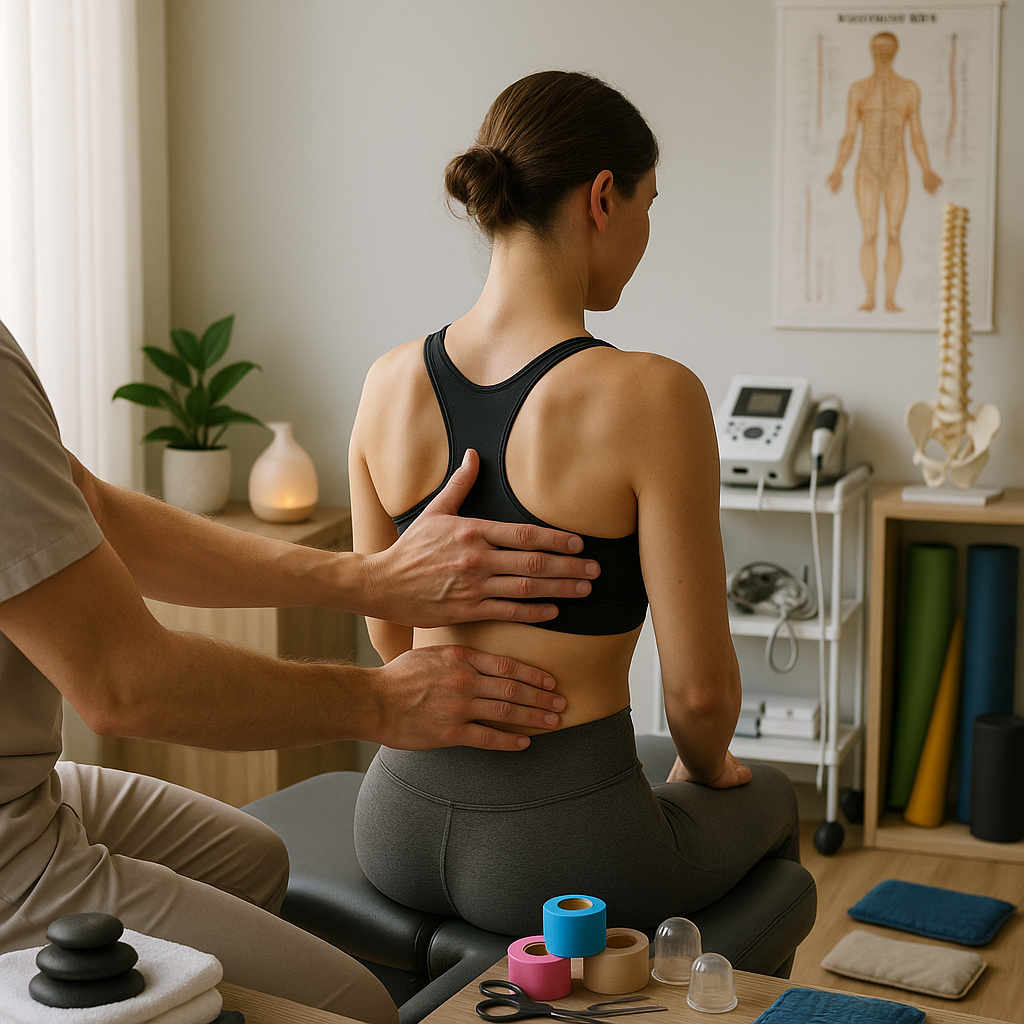
Understanding Chiropractic Complementary Therapy
Chiropractic care has long been recognised as an effective approach to managing musculoskeletal conditions, spinal health, and overall physical well-being. However, modern chiropractic practice rarely operates in isolation. A growing number of practitioners and patients are discovering that combining chiropractic treatment with carefully selected adjunct therapies can produce significantly improved outcomes. Whether the goal is pain relief, faster recovery, or enhanced mobility, supplemental chiropractic care through complementary modalities offers a holistic pathway to health.
This article explores the most widely used complementary therapies that work alongside chiropractic care, explaining how each one contributes to a more comprehensive and effective treatment plan.
Why Combined Treatment in Chiropractic Is Becoming More Common
The human body is an interconnected system. A misalignment in the spine does not simply affect one isolated area — it can influence muscles, nerves, circulation, and even emotional well-being. Chiropractic adjustments address the structural foundation of the body, but the surrounding soft tissues, lifestyle habits, and mental health often require additional attention.
Combined treatment in chiropractic care acknowledges this complexity. By integrating complementary therapies into a patient’s care plan, chiropractors can target multiple dimensions of a condition simultaneously, reducing the risk of recurring problems and supporting long-term wellness rather than short-term symptom management.
Massage Therapy
One of the most common adjunct therapies used alongside chiropractic care is massage therapy. The two modalities complement each other exceptionally well. Chiropractic adjustments work to realign the spine and joints, while massage therapy addresses the surrounding muscle tissue, releasing tension, reducing inflammation, and improving blood flow.
When muscles are tight or in spasm, they can pull joints out of alignment more quickly, making chiropractic adjustments less durable. By preparing the soft tissues through massage before an adjustment, or aiding recovery following one, therapists can help the body maintain corrective changes for longer. Patients frequently report that sessions feel more comfortable and effective when massage therapy is incorporated into their supplemental chiropractic care.
Acupuncture
Acupuncture, rooted in traditional Chinese medicine, is increasingly being integrated into chiropractic practices as a chiropractic complementary therapy. This technique involves the insertion of very fine needles into specific points on the body to stimulate the nervous system, promote natural healing, and reduce pain.
From a Western medical perspective, acupuncture is believed to encourage the release of endorphins and other natural pain-relieving chemicals within the body. When used alongside chiropractic care, acupuncture can help manage chronic pain conditions such as sciatica, fibromyalgia, and tension headaches. It also assists in reducing systemic inflammation and improving the body’s responsiveness to structural adjustments.
Physical Therapy and Rehabilitation Exercises
Physical therapy represents another highly effective adjunct therapy frequently integrated with chiropractic care. While chiropractic adjustments correct structural misalignments, physical therapy focuses on strengthening the muscles that support those structures, ensuring they remain in their corrected positions over time.
Rehabilitation exercises prescribed as part of combined treatment in chiropractic care are typically tailored to the individual patient’s condition, fitness level, and recovery goals. These may include:
- Core stabilisation exercises to support spinal health
- Stretching routines to improve flexibility and reduce muscular tightness
- Postural correction training to address habitual movement patterns
- Balance and proprioception exercises following injury or surgery
- Strengthening programmes for specific muscle groups affected by the condition
The combination of chiropractic and physical therapy is particularly beneficial for patients recovering from sports injuries, workplace injuries, or post-surgical rehabilitation.
Nutritional Counselling
A factor that is often overlooked in musculoskeletal health is the role of nutrition. Inflammation is a key driver of pain and delayed healing, and dietary choices significantly influence the body’s inflammatory response. As part of supplemental chiropractic care, many chiropractors now offer or refer patients to nutritional counselling services.
Nutritional guidance may include recommendations regarding:
- Anti-inflammatory foods and dietary patterns
- Adequate protein intake to support tissue repair
- Micronutrients essential for bone and joint health, such as calcium, vitamin D, and magnesium
- Hydration strategies to maintain disc health and joint lubrication
- Weight management advice to reduce unnecessary mechanical stress on the spine
When patients adopt a nutritional approach aligned with their chiropractic care, they often experience faster recovery, reduced pain levels, and improved energy throughout the treatment process.
Dry Needling
Although similar in appearance to acupuncture, dry needling is a distinct chiropractic complementary therapy grounded in Western anatomical and neurophysiological principles. It specifically targets myofascial trigger points — tight, painful knots within muscle fibres — to release tension and restore normal muscle function.
Dry needling is particularly effective when muscle tightness is contributing to joint dysfunction or preventing the full benefit of chiropractic adjustments from being realised. When used as an adjunct therapy, it can dramatically improve range of motion, reduce referred pain, and help the body respond more readily to spinal manipulation.
Ultrasound Therapy
Therapeutic ultrasound is a widely used adjunct therapy in chiropractic settings. It utilises sound waves to penetrate deep into soft tissues, generating a gentle heating effect that promotes circulation, reduces muscle spasms, and accelerates the healing of damaged tissues.
This modality is particularly useful for conditions involving tendons, ligaments, and deeper muscle groups that are difficult to address through manual techniques alone.
Additional Resources
- NIH overview of spinal manipulation
- American Chiropractic Association patient resources
- CDC/NIOSH ergonomics resources
- What is the chiropractic approach to breath work and spinal health?
- What is the chiropractic approach to sleeping positions and spinal health?
- What is the chiropractic approach to autoimmune conditions?













