
Introduction to Chiropractic Rehabilitation
Chiropractic care has evolved significantly over the decades, expanding well beyond spinal adjustments and manual manipulation. Today, modern chiropractic offices are equipped with a wide range of specialized tools and devices designed to support the body’s natural healing process, improve functional movement, and reduce pain. Whether you are recovering from an injury, managing a chronic condition, or working toward improved physical performance, understanding the chiropractic rehab equipment used in these settings can help you appreciate the comprehensive nature of the care you receive.
This article explores the most commonly used rehab tools chiropractors rely on to deliver effective, evidence-based treatment plans for their patients.
Why Rehabilitation Tools Matter in Chiropractic Care
Chiropractic treatment is not a one-size-fits-all approach. While spinal manipulation remains a cornerstone of care, true rehabilitation requires addressing muscle imbalances, joint mobility, strength deficits, and neurological coordination. This is where chiropractic therapy devices and rehabilitation tools become indispensable. They allow practitioners to:
- Accelerate the healing of soft tissue injuries
- Strengthen muscles that support the spine and joints
- Improve balance, stability, and proprioception
- Reduce inflammation and manage chronic pain
- Restore range of motion following injury or surgery
- Prevent re-injury through targeted conditioning
When used alongside manual therapy, these tools create a well-rounded rehabilitation program that addresses the root causes of dysfunction rather than simply masking symptoms.
Common Chiropractic Rehab Equipment and Their Uses
1. Electrical Stimulation Units
Electrical stimulation is one of the most widely used chiropractic therapy devices found in modern offices. These units work by delivering low-level electrical currents to targeted muscle groups or nerve pathways. There are several types commonly employed:
- TENS (Transcutaneous Electrical Nerve Stimulation): Primarily used for pain management, TENS units interrupt pain signals traveling to the brain, providing significant relief for patients dealing with acute or chronic musculoskeletal pain.
- EMS (Electrical Muscle Stimulation): Unlike TENS, EMS targets muscle tissue directly, causing controlled contractions that help prevent atrophy and re-educate weakened muscles.
- Interferential Current (IFC): A deeper-penetrating form of electrical stimulation that reduces inflammation, promotes circulation, and aids in pain reduction in deeper tissue layers.
2. Ultrasound Therapy Machines
Therapeutic ultrasound is a staple in many chiropractic rehabilitation settings. Using high-frequency sound waves, these machines generate deep heat within soft tissues such as muscles, tendons, and ligaments. This promotes increased blood flow, tissue relaxation, and accelerated healing. Ultrasound therapy is particularly effective for treating conditions such as:
- Tendinitis and tendinopathy
- Muscle strains and sprains
- Scar tissue adhesions
- Bursitis and joint inflammation
In some cases, ultrasound is used in a non-thermal mode to promote cellular repair without generating significant heat, making it suitable for acute injuries where heat could be counterproductive.
3. Traction Tables and Decompression Devices
Spinal decompression is a critical component of chiropractic rehabilitation, particularly for patients with herniated discs, degenerative disc disease, or spinal stenosis. Motorized traction tables apply a controlled, intermittent pulling force to the spine, gently separating the vertebrae and reducing pressure on compressed discs and nerve roots.
This therapeutic approach encourages the retraction of herniated disc material and allows for improved nutrient and fluid exchange within the intervertebral discs. Many patients report significant relief from radiating pain, numbness, and tingling following a course of spinal decompression therapy.
4. Exercise Rehabilitation Tools
No rehabilitation program is complete without a structured exercise component. Chiropractors utilize a broad array of exercise rehabilitation tools to help patients rebuild strength, flexibility, and functional movement patterns. The most commonly used include:
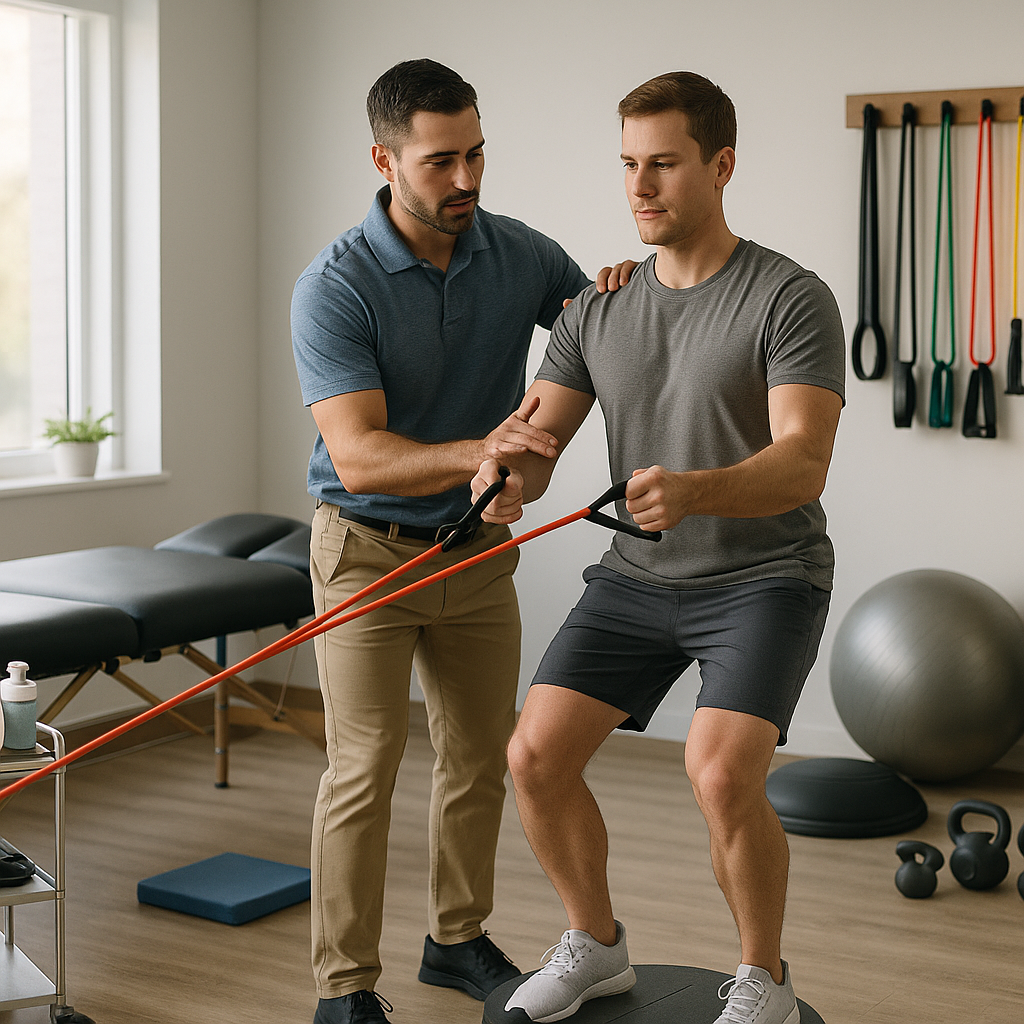
- Resistance Bands and Tubing: Versatile and cost-effective, resistance bands allow chiropractors to prescribe progressive strengthening exercises targeting specific muscle groups without placing excessive load on joints. They are especially useful for rotator cuff rehabilitation and lumbar stabilization training.
- Stability Balls (Swiss Balls): Large inflatable exercise balls are used to challenge core stability, improve postural awareness, and facilitate neuromuscular re-education. Exercises performed on a stability ball engage deep stabilizing muscles that are often underactive in patients with chronic back pain.
- Balance Boards and Wobble Boards: These platforms promote proprioceptive training — the body’s ability to sense its position in space. After ankle sprains, knee injuries, or prolonged periods of inactivity, proprioception often becomes impaired. Balance boards help retrain these neurological pathways efficiently.
- Foam Rollers: Used for myofascial release and self-massage, foam rollers help break up trigger points in muscles, improve tissue flexibility, and reduce delayed onset muscle soreness (DOMS). They are frequently incorporated into warm-up and cool-down routines within the chiropractic setting.
- Kettlebells and Dumbbells: For patients in the later stages of rehabilitation, free weights are introduced to build functional strength and prepare the body for everyday activities or athletic performance demands.
Additional Resources














